Nearly 400 people have been sentenced in Nigeria for links with militant Islamic groups following mass trials. The convicts received sentences ranging from five years to life imprisonment for their connections to Boko Haram or the Islamic State West Africa Province (Iswap).
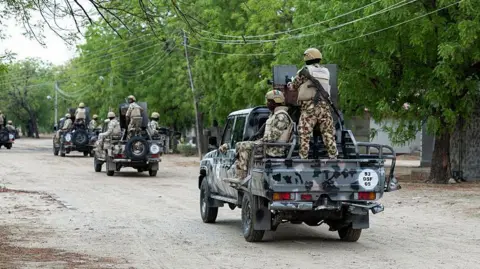
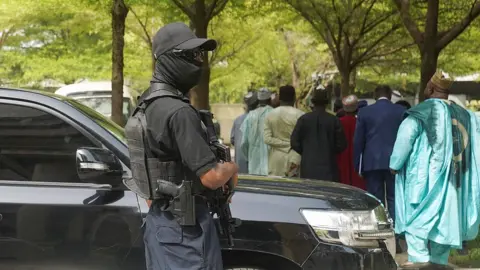
This extensive legal action reflects the Nigerian government's response to overwhelming pressure to address the pervasive insecurity plaguing Africa's most populous nation. The security forces find themselves grappling with multiple armed factions, including Islamic militants, separatists, and kidnapping-for-ransom syndicates.
Boko Haram initiated its violent insurgency in the north-east region of Nigeria in 2009, leading to tens of thousands of deaths and displacing over two million people, according to aid organizations. As the security situation deteriorates, the US has advised its citizens to reconsider travel to Nigeria.
Last week, 500 suspects faced trial in a federal high court in Abuja for charges ranging from participation in militant activities to providing funding and supplies. Of those indicted, 386 were convicted while two were acquitted. The trials were rapidly conducted to signal a decisive governmental stance against rising militancy.
Some of the convicted had even pleaded guilty to charges involving the provision of livestock and food to militant factions, highlighting the complex socio-economic factors intertwined with the insurgency. As the Nigerian authorities push for enhanced security measures, the need for a comprehensive approach that addresses both military and socio-economic components remains critical.