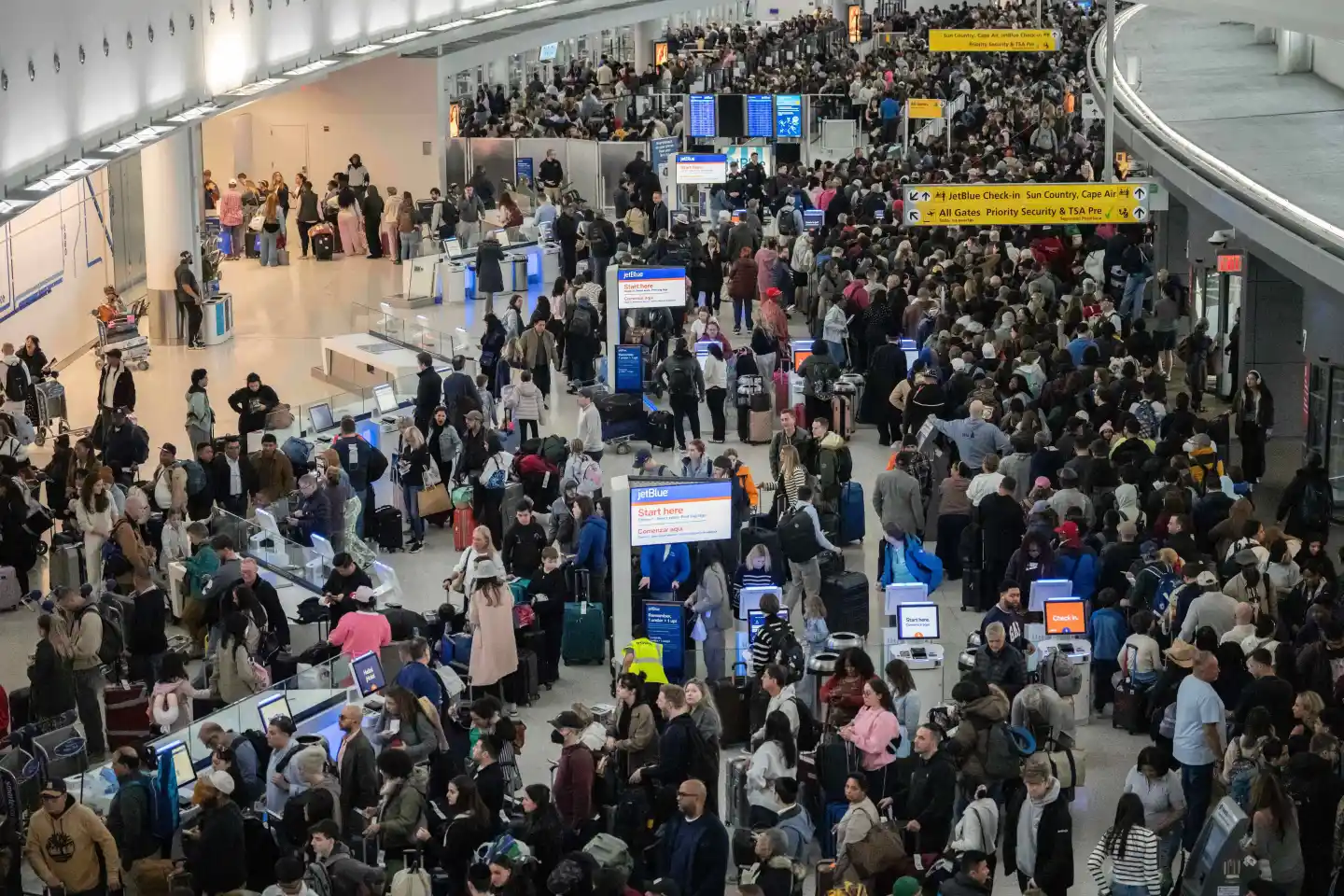
In a bid to address the lengthy security line issues at U.S. airports caused by a partial government shutdown, President Donald Trump has ordered immigration officers to assist the Transportation Security Administration (TSA). The decision, announced recently, is part of an effort to alleviate the frustrations faced by air travelers who have experienced hour-long waits.
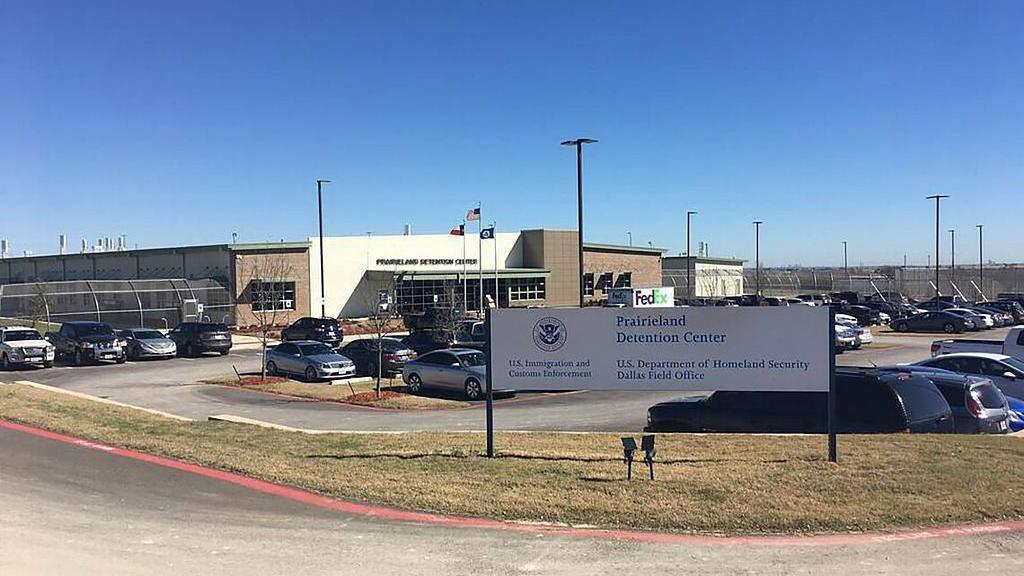
With hundreds of thousands of homeland security workers—including those from TSA and the Coast Guard—working without pay since Congress failed to renew funding for the Department of Homeland Security, the situation at airports has been dire. In anticipation of added congestion, these immigration officers may help manage exit lanes or conduct passenger ID checks to reduce TSA workloads.
Tom Homan, the White House border czar tasked with leading this initiative, has been in discussions with lawmakers about the partial shutdown. However, those talks have not yielded a comprehensive agreement that would address the underlying funding issues.
While some travelers welcome the potential for shorter wait times, there are significant concerns about the deployment of ICE agents at airports. Critics argue that untrained immigration enforcement agents should not be stationed in such sensitive roles, citing past instances of controversial conduct during immigration raids.
Travelers at major airports, including Atlanta and John F. Kennedy, have reported overwhelming crowds and chaos at security checkpoints as they await their flights. The uncertainty surrounding wait times has added to the anxiety of passengers who are unsure how early they need to arrive at the airport.
The deployment of ICE agents to assist at airports is seen by some as a temporary solution to reduce the burden on TSA officers, while also drawing criticism regarding the appropriateness of their expanded role in such an environment. As discussions continue in Washington to reopen the government and address the myriad issues plaguing air travel, the immediate future remains uncertain for many American travelers.