A recent ruling from a federal court has confirmed that Minnesota public universities can continue to provide in-state tuition and scholarships to certain immigrants residing in the country without legal status. This decision, delivered by U.S. District Judge Katherine Menendez, comes as a dismissal of a lawsuit commenced by the Department of Justice last summer, which sought to terminate these programs.
The ruling follows a series of confrontations between state officials and the federal government regarding immigration enforcement. Judges specifically noted that the DOJ did not substantiate claims that the Minnesota programs discriminated against U.S. citizens.
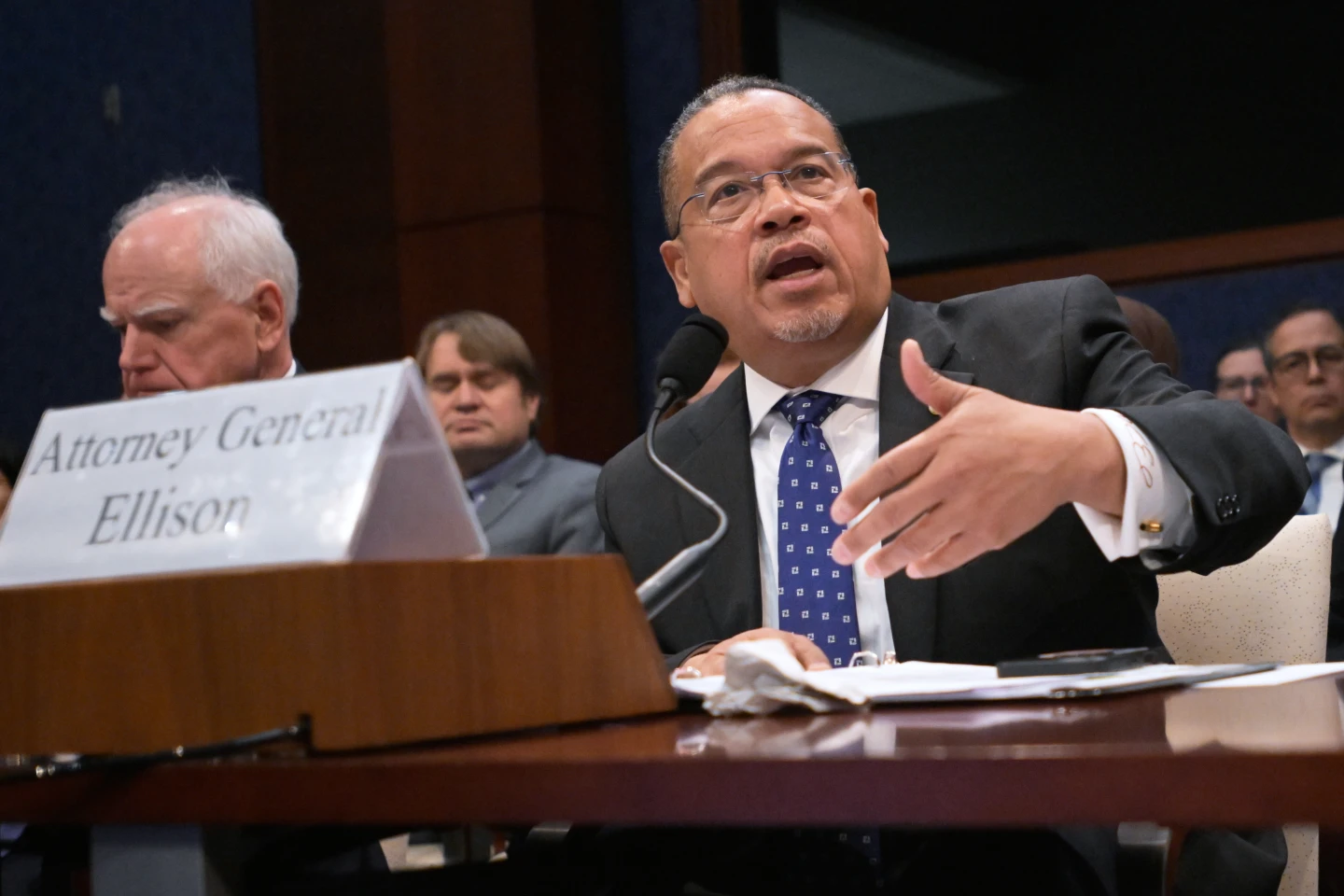
The lawsuit specifically named Minnesota Governor Tim Walz and Attorney General Keith Ellison among its defendants, arguing that state policies favor undocumented students who have attended Minnesota high schools for three years while disadvantaging U.S. citizens who have been educated outside the state. Under Minnesota law, out-of-state students typically face higher tuition rates.
The federal government argued that such state laws violate a federal mandate prohibiting the provision of preferential benefits to undocumented immigrants. However, Judge Menendez opined that the Justice Department misinterpreted the federal law, asserting that any student who has attended a Minnesota high school for a minimum of three years is entitled to the same public benefits irrespective of residency or immigration status.
Menendez further expressed doubt regarding the federal government's standing to sue since neither the Attorney General nor the Governor possesses the authority to alter state laws dictating tuition eligibility.
Following the ruling, Attorney General Ellison expressed triumph, stating, “Today, we defeated another one of Donald Trump’s efforts to misconstrue federal law…”. He framed the state’s policies as vital for enhancing the educational infrastructure and workforce potential of Minnesota.
This ruling represents not only a victory for undocumented students but also places Minnesota among a group of states—totaling at least 22—alongside jurisdictions like California and New York, which extend in-state tuition and financial assistance to students without legal status.
As similar lawsuits continue to arise across the states, notably in Texas and Kentucky, this ruling may bolster the advocacy for immigrant rights within the educational sector, illuminating an ongoing conflict between state-level policies and federal immigration directives.