In brief
A controversial resolution passed by Congressional Republicans aims to lift the federal mining moratorium near the Boundary Waters Canoe Area Wilderness in Minnesota, potentially allowing a South American company to extract valuable minerals. This move has sparked uproar among environmentalists and Indigenous groups who warn of significant pollution risks and cultural impacts, highlighting ongoing tensions over land rights and environmental conservation.
The proposed lifting of a mining ban near Minnesota’s Boundary Waters Canoe Area Wilderness, a region cherished for its pristine beauty and ecological significance, has ignited fierce debate. With Congressional Republicans working to enable a South American company to mine for precious metals, Indigenous communities and environmental advocates are raising alarms over potential pollution that could devastate their heritage and environment.
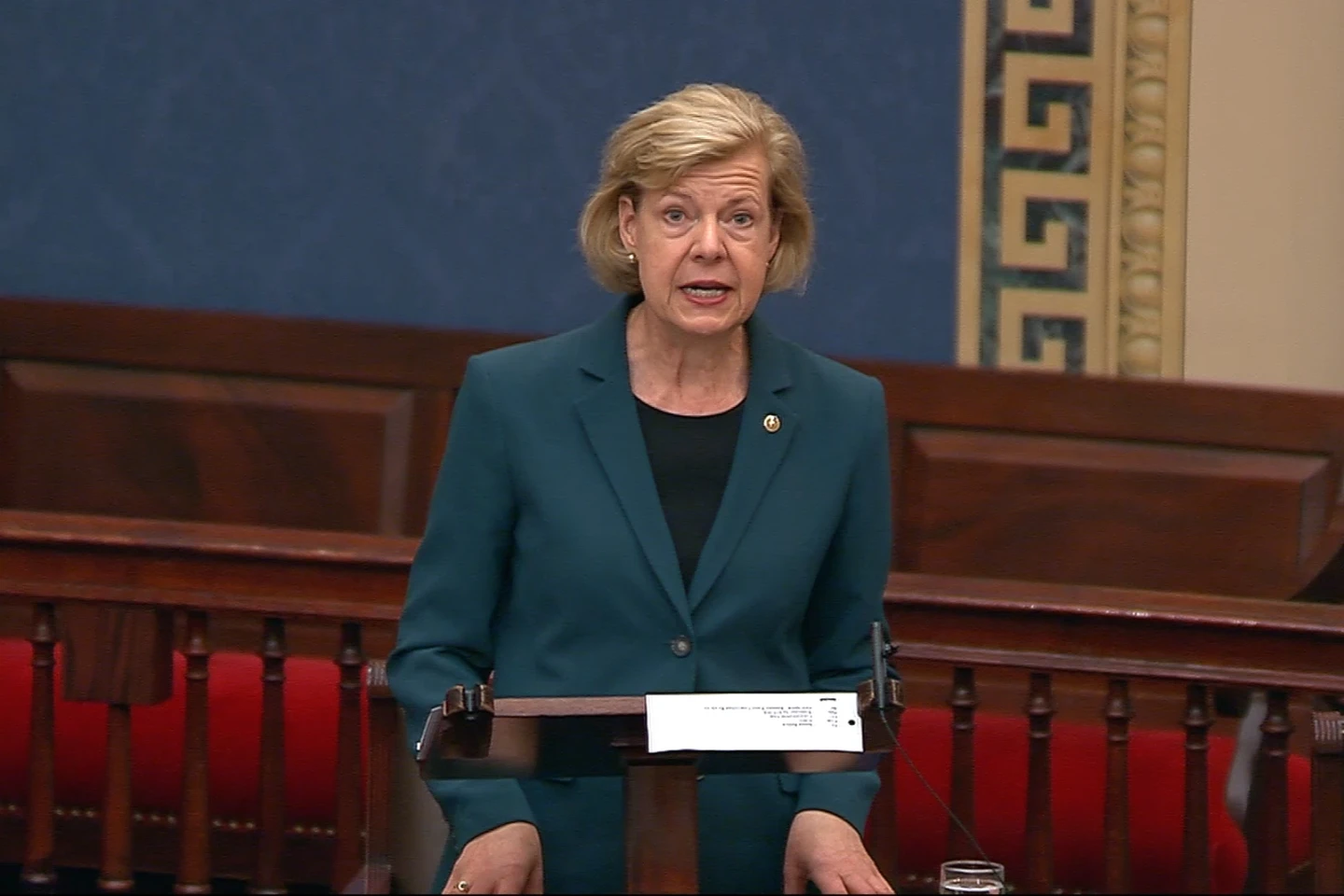
The resolution passed recently by House Republicans with notable opposition cautions that such actions could usher in a precedent detrimental to public land protections nationwide. Key Democratic voices from Minnesota, including Senators Amy Klobuchar and Tina Smith, argue that this jeopardizes both the state’s identity and ecological integrity.
Klobuchar, who has a history of supporting iron mining yet opposes this current effort, evocatively described the Boundary Waters as a sanctuary deserving protection. Meanwhile, Smith emphasized that constituents overwhelmingly wish to see their wilderness preserved rather than exploited.
The Boundary Waters, stretching about 150 miles, are characterized by crystal-clear lakes and extensive forests, presenting an untouched haven for outdoor enthusiasts. Federal restrictions protect this delicate ecosystem, yet mining interests are challenging these safeguards. The area is rich in minerals, notably in the Duluth Complex, crucial for industries but at great environmental cost.
Twin Metals Minnesota LLC, associated with Antofagasta Minerals, envisions a mining operation that they claim could provide substantial local employment and revenue. They argue for sustainable mining practices, but many remain skeptical, particularly Indigenous groups impacted by mining practices which threaten watershed integrity and disrupt traditional practices, notably wild rice cultivation that is vital to Chippewa culture.
The tension escalates as the environmental community, including organizations like Friends of the Boundary Waters, organize demonstrations against the resolution. They highlight that the potential for toxic pollution from mining operations poses an existential threat to the ecosystem that nurtures diverse wildlife and fish species.
Despite the resolution's passage, hurdles remain, including necessary federal and state permits. Twin Metals acknowledges the complexity of the roadmap ahead, which faces the scrutiny of both environmental regulations and possible judicial challenges by impacted communities.
The current political climate has made it increasingly feasible to argue for the prioritization of domestic mineral resource extraction, yet it serves to further compound existing conflicts surrounding land use, Indigenous rights, and environmental stewardship.
The Boundary Waters' fate hangs in the balance, representing not merely a local struggle but a microcosm of broader national conversations about resource management and respect for Indigenous sovereignty.