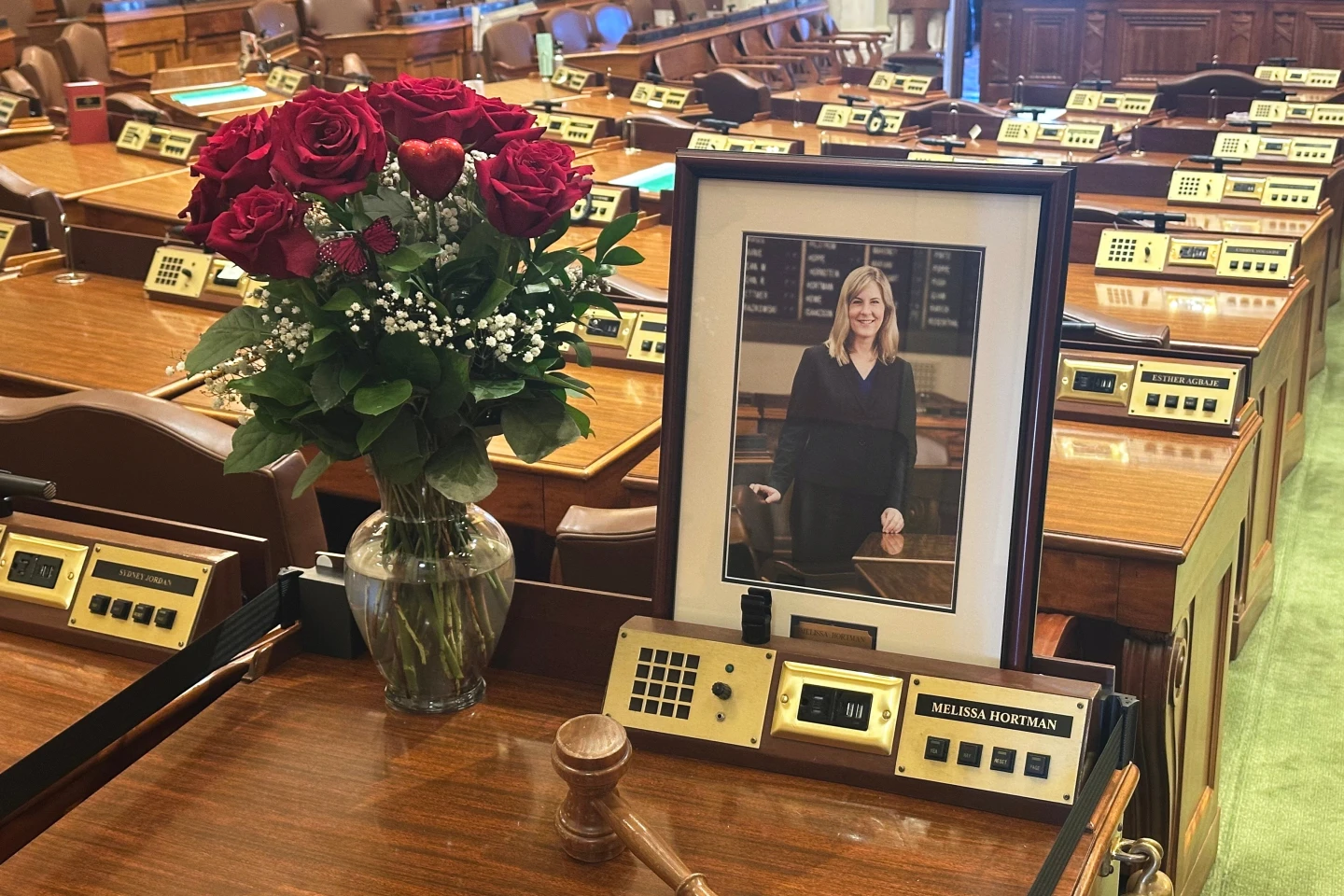
As the specter of political violence continues to loom over the United States, elected officials are taking proactive steps to bolster security both within and outside state capitols. This heightened sense of urgency is precipitated by the alarming trend of assaults against public figures, most tragically exemplified by the assassination of Minnesota Representative Melissa Hortman and conservative activist Charlie Kirk in recent months.
Measures being adopted include the installation of weapons detectors at state entrances, heightened security protocols for public gatherings, and legislative initiatives allowing funds from campaign donations to be utilized for personal safety measures. For instance, states like Alabama, Oregon, and Utah have already enacted laws permitting the use of campaign funds for personal security, and similar bills are under discussion in several other states.
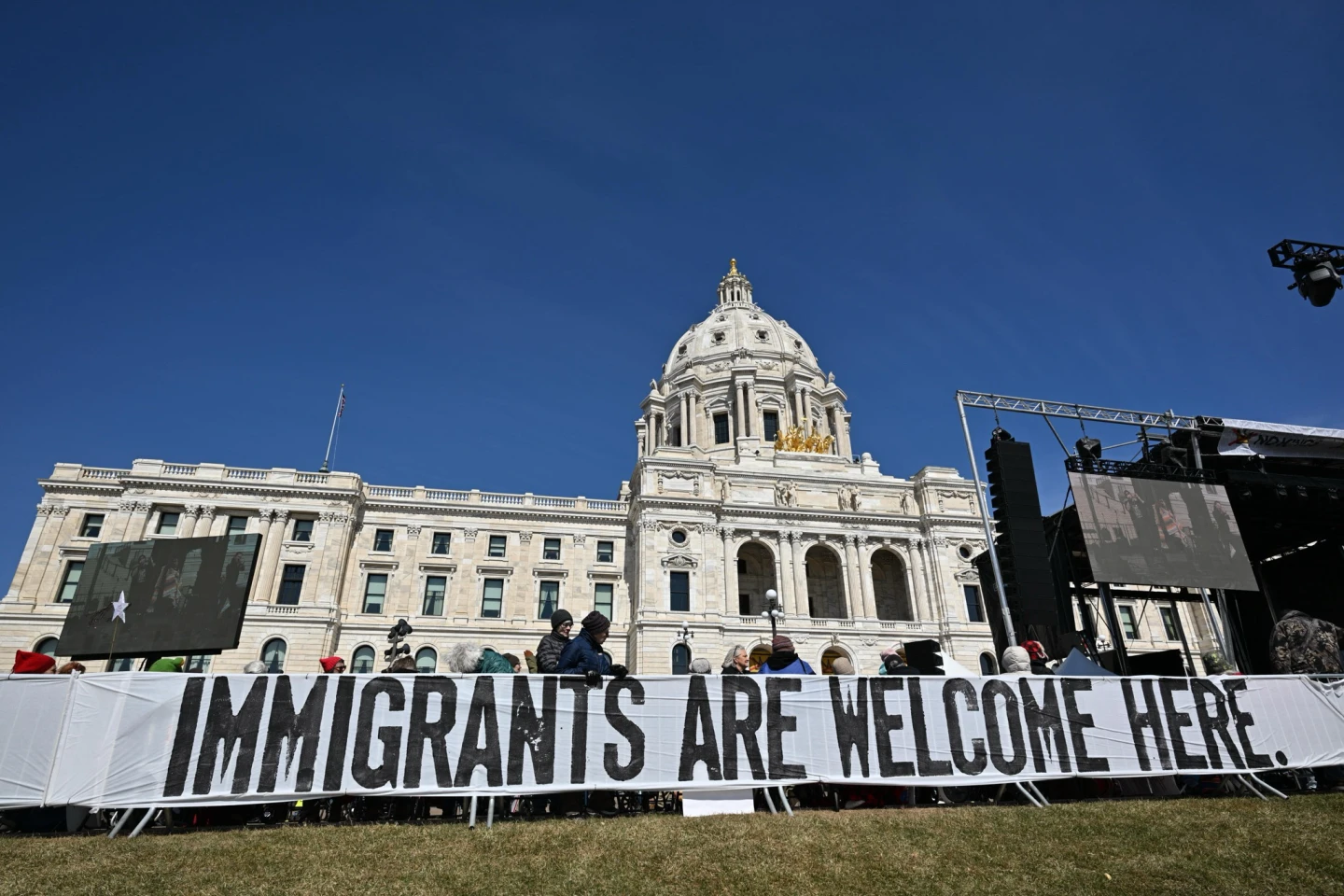
In Minnesota, significant changes have been implemented, such as locking most Capitol doors and requiring visitors to pass through multiple rounds of security checks before entering the galleries to observe lawmakers at work. Minnesota Rep. Julie Green emphasized the importance of ensuring that government operations can continue unhindered despite the threats posed against its members.
High-profile Attacks Driving Legislative Reactions
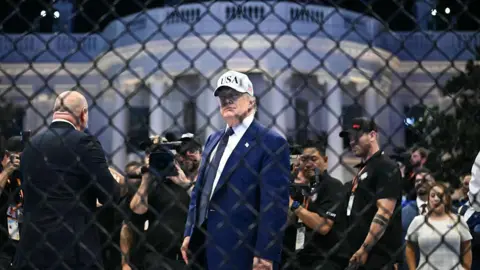
The recent surge of violence against political figures underscores the growing fears among lawmakers. Aside from the killings of Hortman and Kirk, incidents like an arson attack on Pennsylvania Governor Josh Shapiro’s residence and the attempted assassination of Donald Trump during a rally suggest a troubling landscape for public safety.
The National Conference of State Legislatures reveals that a total of 25 states now formally allow campaign funds to be earmarked for personal security, highlighting the urgency of the situation and the legislative response it demands. This increase in funding for security reflects a broader trend in political campaigns, where spending on security has reportedly quintupled over the past decade.
Church and State Security: A Balancing Act
While some states, including Alaska, have embraced tougher security measures, others grapple with the implications of fortifying public access to political spaces. Wisconsin’s Assembly Speaker has resisted installing metal detectors, voicing concerns about security dynamics potentially altering public engagement with the political system.
In response to the escalating threats, discussions in Minnesota also consider the formation of a special unit within the state patrol dedicated to offering enhanced protection for elected officials. This initiative proposes additional resources to secure lawmakers, Supreme Court justices, and other public figures, with support expressed from representatives like Sen. John Hoffman, who bore witness to violence firsthand.
As the dialogue surrounding political safety continues to evolve, states are also taking steps to guard personal information of candidates and officials. North Dakota lawmakers are currently drafting legislation to make home addresses confidential upon request, reflecting a pronounced shift in how political environments are navigated.
The National Conference of State Legislatures has established a $1.5 million fund aimed at reimbursing states for security expenses related to lawmakers’ protection outside their legislatures, cementing this issue as a pivotal aspect of contemporary governance.