In brief
In a recent statement, President Trump belittled California Governor Gavin Newsom by linking dyslexia to low intelligence, a notion that many advocates and individuals with dyslexia vehemently contest. This narrative undermines years of progress against stigma surrounding learning disabilities, reigniting discussions about their impact on individuals and the responsibility of public figures to promote understanding and respect. People from various backgrounds have shared their reactions, highlighting the persistent stigma against dyslexia and the far-reaching effects of such comments on individuals with learning disabilities.
Widespread indignation has ensued following President Donald Trump's belittling remarks directed at California Governor Gavin Newsom, particularly regarding Newsom's dyslexia. As Trump called Newsom 'stupid' and 'mentally disabled', those with similar learning disabilities reacted with a mix of anguish and anger, asserting a need to dispel damaging myths about dyslexia.
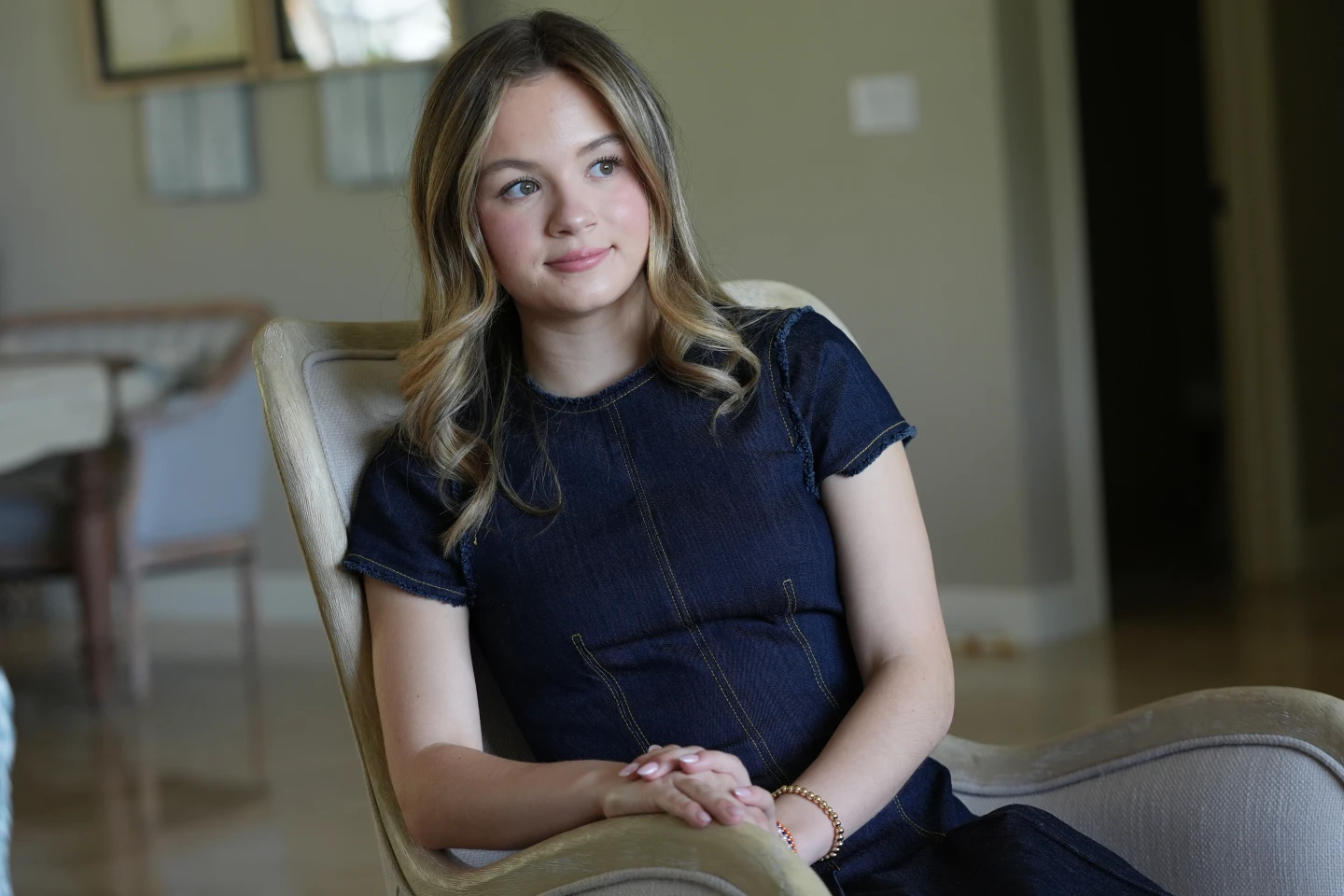
For Lauryn Muller, an 18-year-old with dyslexia, Trump's comments struck a personal chord, reminding her of her own struggles. 'We've had to overcome so many deficits, and for someone to say, they will never be like us — that caused emotional pain,' she shared.
The backlash was immediate, with many vocalizing that such language promotes damaging stereotypes about cognitive abilities tied to learning disabilities. Muller’s mother Marilyn voiced frustration, emphasizing, 'It works against everything I do on a daily basis.' A literacy advocate, she expressed disappointment over Trump's dismissal of dyslexia’s impact on intelligence.
This incident has reignited conversations around dyslexia, which affects up to 20% of people worldwide and is often misunderstood. Experts contend that dyslexia has no bearing on IQ, with many individuals who have overcome these challenges achieving remarkable success. Despite this, Trump's comments have caused fear of renewed stigma, detracting from the strides advocacy groups have made toward positive representations of learning differences.
The issue extends beyond political lines, with silence from many Republican leaders in response to Trump's remarks. As Lia Beatty, a 27-year-old with dyslexia, pointedly noted, 'it’s not just the headline but the quiet damage these comments cause.' Advocates argue that public figures must be held accountable for promoting awareness and understanding, especially in a political climate where disability discussions are already fraught with misunderstanding.
While past Republican leaders may have championed disability rights, Trump's statements send a contradictory message. Jacqueline Rodriguez, CEO of the National Center for Learning Disabilities, cautioned about the implications of such rhetoric for educational policy and community support.
In the wake of this controversy, individuals with dyslexia continue to rise in prominence across fields, countering the outdated notions Trump has perpetuated. 'Learning differences shape your strengths,' Governor Newsom noted in response, underscoring the enduring need for advocacy and representation.