In brief
The Two Mississippi Museums reveal a complex blend of achievement and painful history, reflecting on documented racial violence and Native American experiences. With exhibits like the Lynching Victims Monolith, they encourage visitors to confront the past rather than whitewash it. The museums stand in stark contrast to ongoing political efforts at the national level where attempts to shape a less confronting view of American history persist, urging a commitment to truth-telling amid challenges in the present.
JACKSON, Miss. — In a poignant twist of history and memory, the Lynching Victims Monolith etched with >600 names marks the sacrifices of lives abruptly taken through racial violence in Mississippi. Specifically designed for the Mississippi Civil Rights Museum, it unveils the motivations behind horrible acts, such as Malcolm Wright's brutal killing in 1949 for 'hogging the road' in a mule-drawn wagon.
This exhibition serves as part of the larger venue called the Two Mississippi Museums, a centerpiece of the America 250 celebrations, highlighting Mississippi's rich yet painful past amidst a national backdrop wherein selective storytelling has come to the fore since Trump's presidency.
Visitors grapple with emotions stirred by the stark realities depicted in exhibits and artifacts, even as they lament the silencing of countless stories still left unrecorded. As Kiama Johnson from Louisiana remarked, Just imagine the ones that we don’t. Imagine the ones that are never going to be written in history books. The Mississippi approach embraces a candid reality, preferring depth over gloss.
Don’t brush over anything, don’t whitewash anything,” urged Nan Prince, director of collections, encapsulating the ethos behind the museums from their inception. Building on such foundational ideas, Jackson Mayor John Horhn emphasized the commitment to unmediated storytelling.
These initiatives highlight legends like the murder of Emmett Till, which thrust the Civil Rights Movement into historic consciousness. Visitors encounter both beauty and horror intermingled within the tales of Native Americans, enslaved populations, and civil rights melodramas, thus reclaiming narratives often buried beneath layers of popular history.
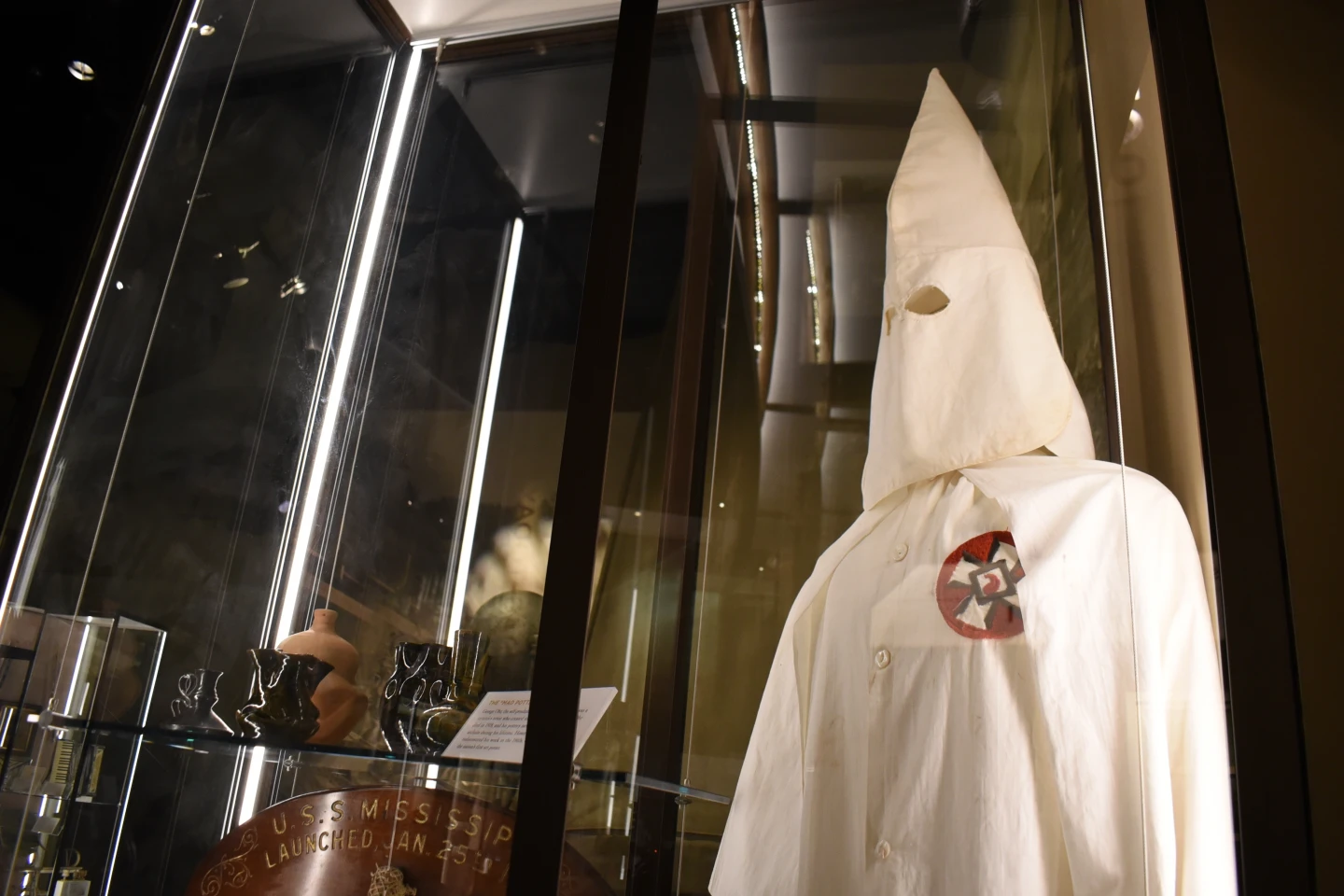
Through exhibits like Mississippi Made, the museums endeavor to highlight state accomplishments while addressing the accompanying narratives of pain and loss, including powerful artifacts of history that reinforce the importance of acknowledging past injustices.
Lindsay Ward, a visitor, articulated her sense of disbelief at realizing that events like Till's murder are considerably recent, echoing the sentiment of many who visited: the awareness and understanding of the past is integral to shaping a more comprehensive future.
Ultimately, the Mississippi museums epitomize a brave effort to depict a true and full history, reminding both locals and visitors that such narratives are essential not only for youth but for societal healing and growth.