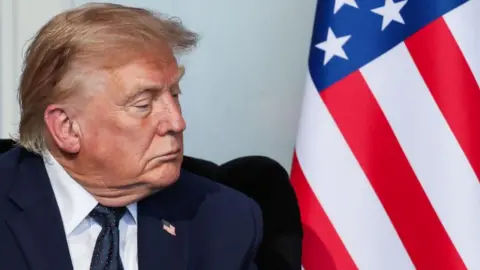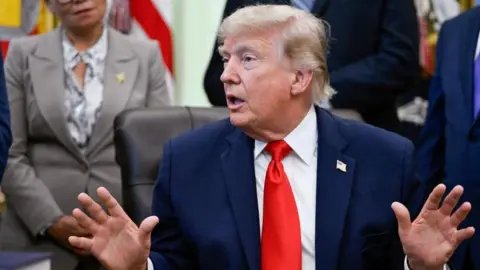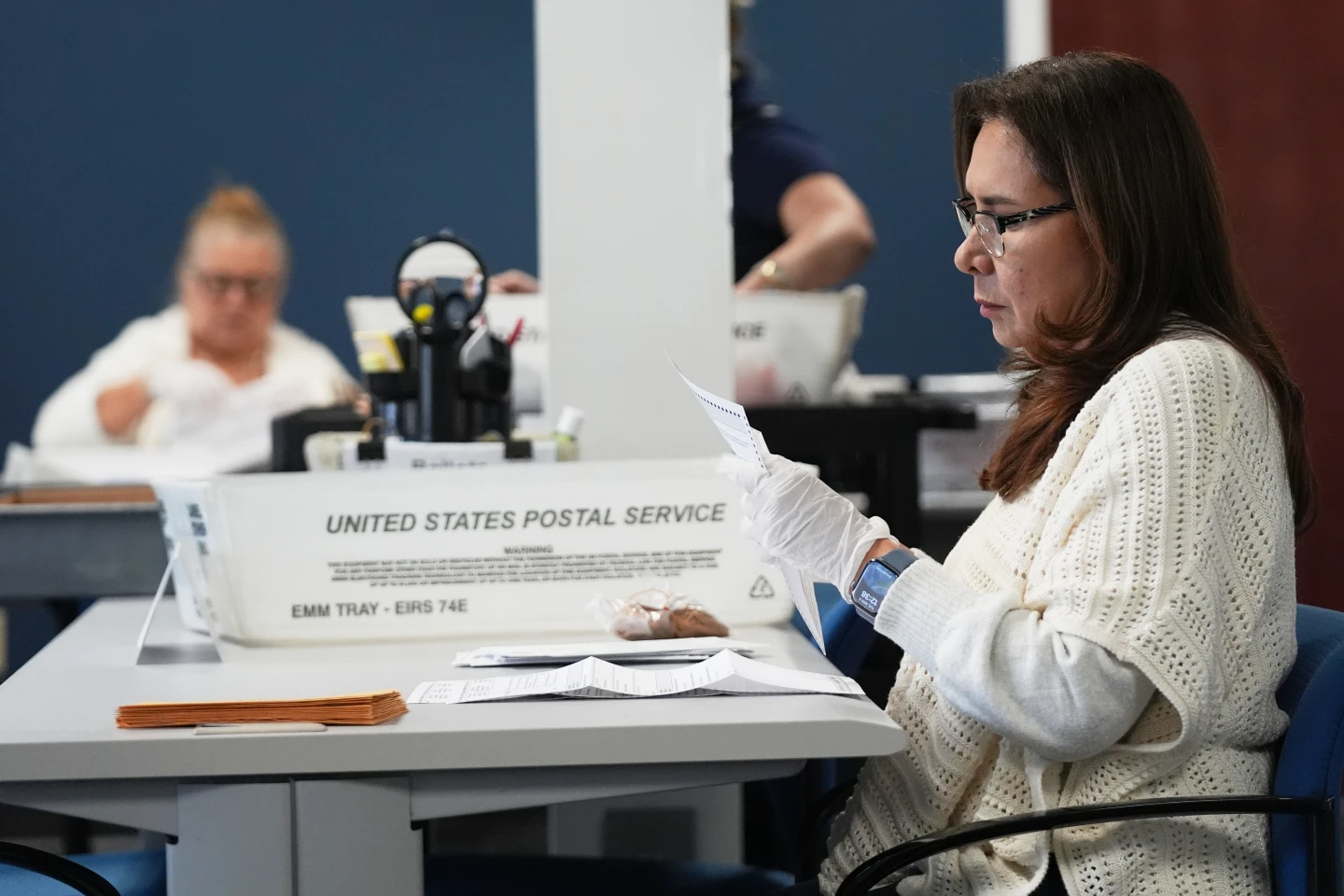
In a significant case that could reshape the voting landscape, the Supreme Court is considering the legality of laws in several states that allow mail ballots to be counted even if they arrive after Election Day. This matter stems from ongoing debates about election integrity and the push for stricter voting regulations, particularly from supporters of former President Donald Trump, who have continually raised concerns about mail-in ballots leading to fraud, despite a lack of substantial evidence to support these claims.
The court's current conservative majority displayed reservations during the recent oral arguments about the validity of extending grace periods for ballot counting, which could potentially disenfranchise voters. The legal discussion is centered around a case from Mississippi that might affect mail-in voting policies in 13 other states alongside the District of Columbia.
A decision is anticipated by late June, just in time to influence the upcoming 2026 midterm elections. Many voting rights advocates are warning that altering long-standing practices close to an election might lead to confusion and disenfranchisement among the electorate, especially in areas that have relied on mail-in voting for years due to geographical and infrastructural challenges.
Justice Sonia Sotomayor emphasized in the hearings that making sweeping changes should be the responsibility of Congress and state legislatures rather than the court system alone. This statement highlights the notion that established voting practices, particularly those aiding rural voters in locations like Alaska, should be upheld to protect the democratic process.
Legal representatives from the Republican and Libertarian parties, alongside proponents from Trump’s administration, argue for the court’s affirmation of a lower appellate ruling that overturned Mississippi’s law allowing late ballots. The contention revolves around the interpretation of federal law regarding a unified Election Day and what it stipulates about the casting and receiving of votes.
Given the potential ramifications of this ruling, observers are closely monitoring the developments, understanding how they could reshape voting rights and mail-in ballot practices across the United States.