In brief
Chapal Bhaduri, also known as Chapal Rani, was a pivotal figure in Bengal's jatra theatre—a form that traditionally featured male actors in female roles. His journey from stardom to obscurity reflects not only the changing dynamics of performance art in India but also the complex interplay of gender and identity. Through the lens of Bhaduri's life, the nuances of queer representation and cultural memory in the arts are examined, showcasing a unique perspective on gender fluidity in historic performances.
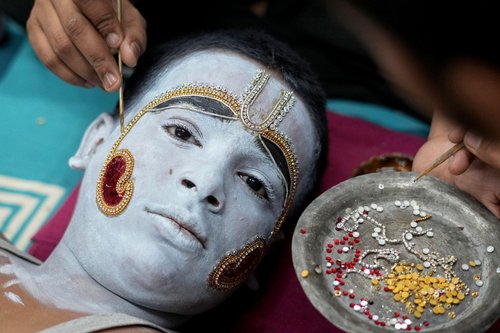
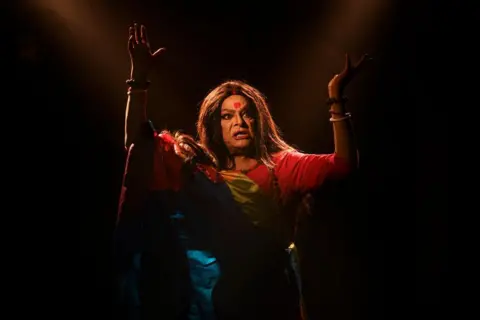
In mid-20th Century Bengal, some of the biggest stars on stage were men playing female roles, with Chapal Bhaduri—better known as Chapal Rani—being the reigning queen of jatra, a vibrant travelling theatre tradition that drew large audiences. This jatra form was notable for its open-air performances that combined music and mythology, often rivaling cinema's reach.A new book titled 'Chapal Rani: The Last Queen of Bengal' by Sandip Roy chronicles Bhaduri's journey through a world where gender was dynamically performed. The book highlights Bhaduri's rise amid a tradition of male actors known as purush ranis, playing roles ranging from goddesses to courtesans, and his unique ability to infuse depth and sincerity into performances.However, the cultural landscape began to shift; as women started taking acting roles, purush ranis faced diminishing opportunities. Despite the changing times, Bhaduri’s impact remained significant, as he brought a nuanced representation of femininity to his performances.Born into a theatrical family in 1939, Bhaduri's journey is emblematic of the significant yet often overlooked contributions of queer performers. He navigated a world that oscillated between adulation and stigma—a reality that has echoed through the decades.Roy's narrative invites readers to reflect on why certain artists like Bhaduri become pivotal to queer history, despite often living on the margins of societal acceptance. By revisiting Bhaduri's legacy, we are prompted to explore broader questions about visibility, remembrance, and the complexities of gender identity in the performing arts. Today, at 87, Bhaduri resides in a retirement facility, a poignant reminder of a life lived in the vibrant, yet volatile, world of jatra.