A tragic event in Montreal
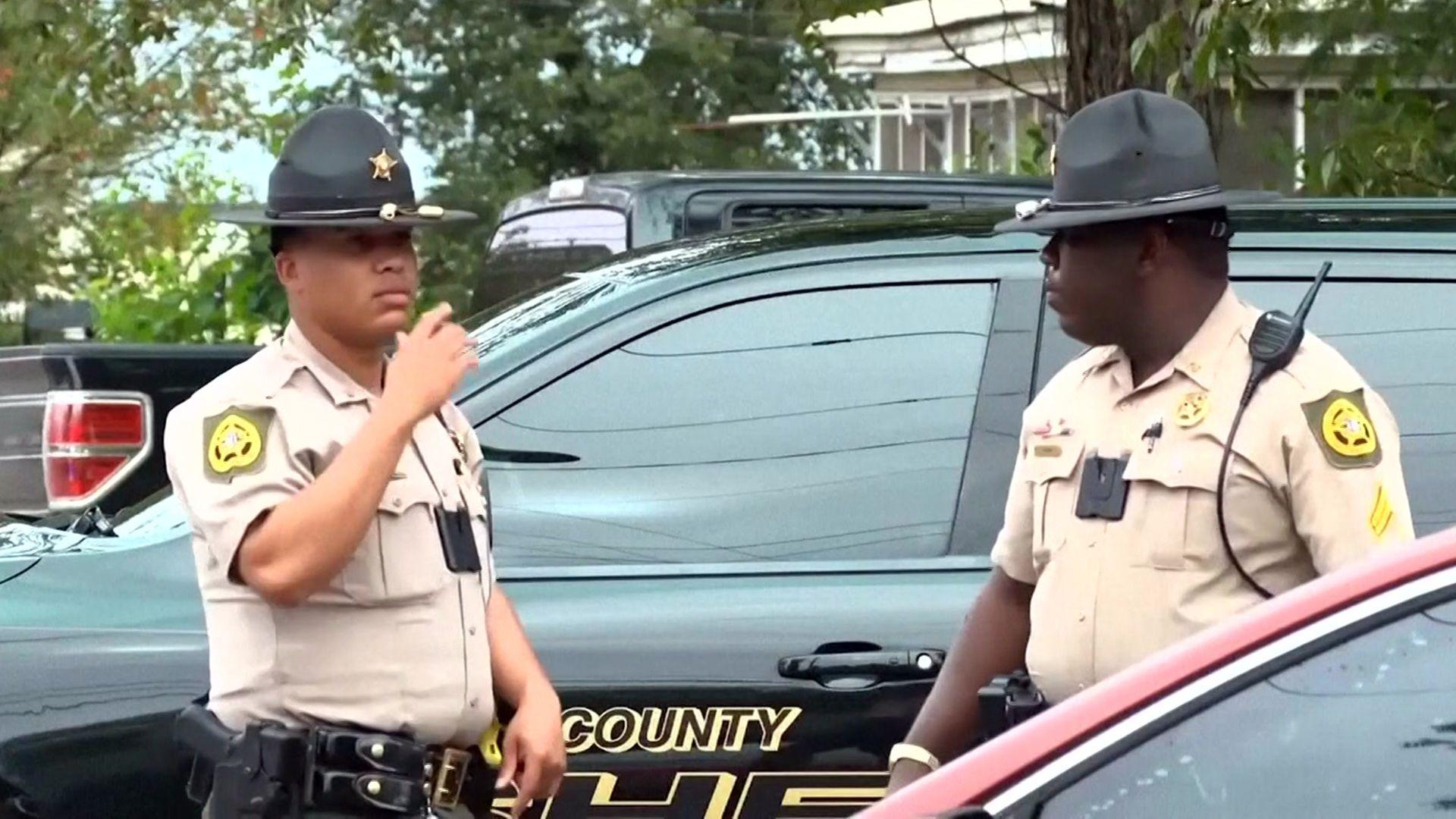
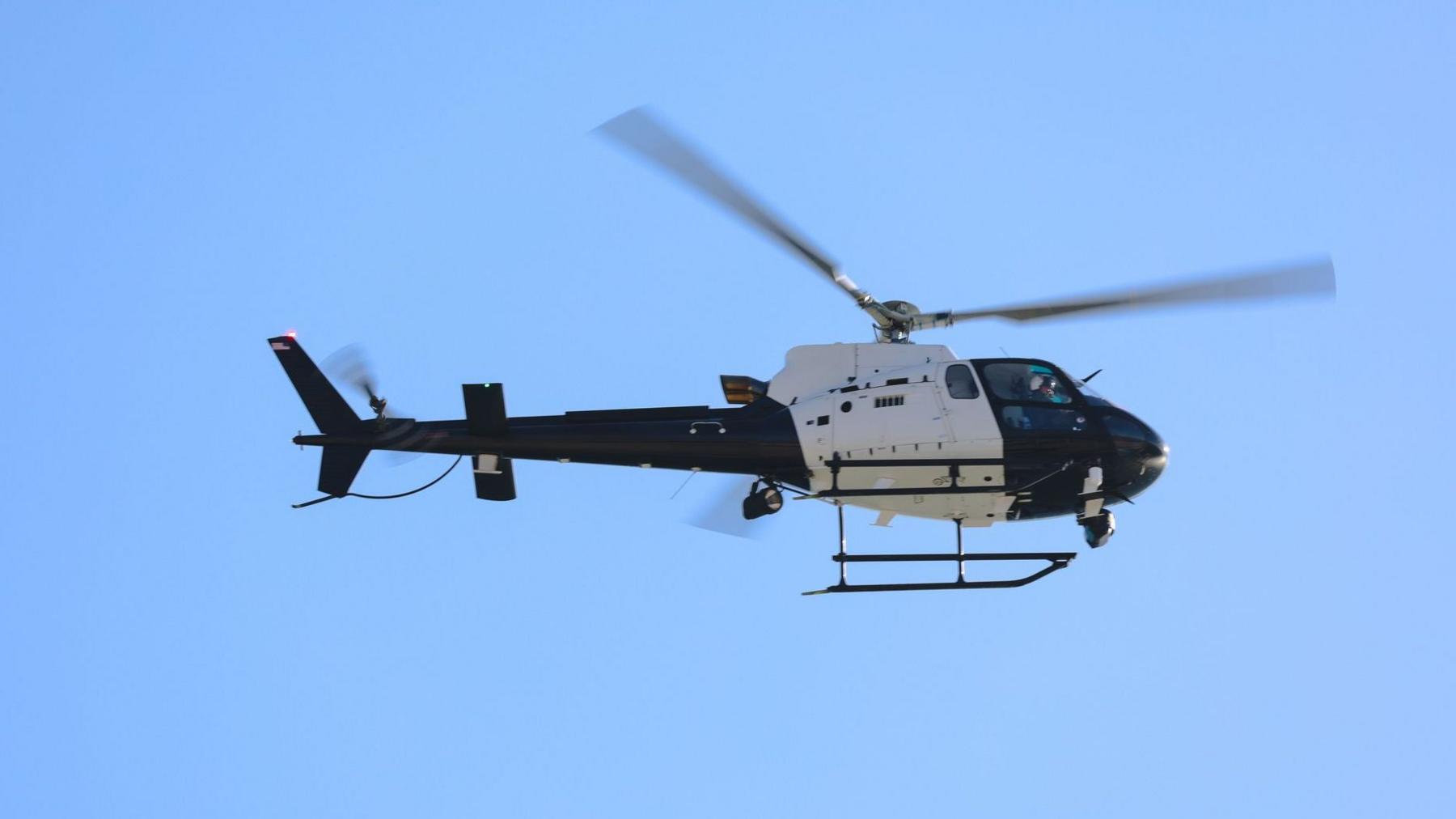
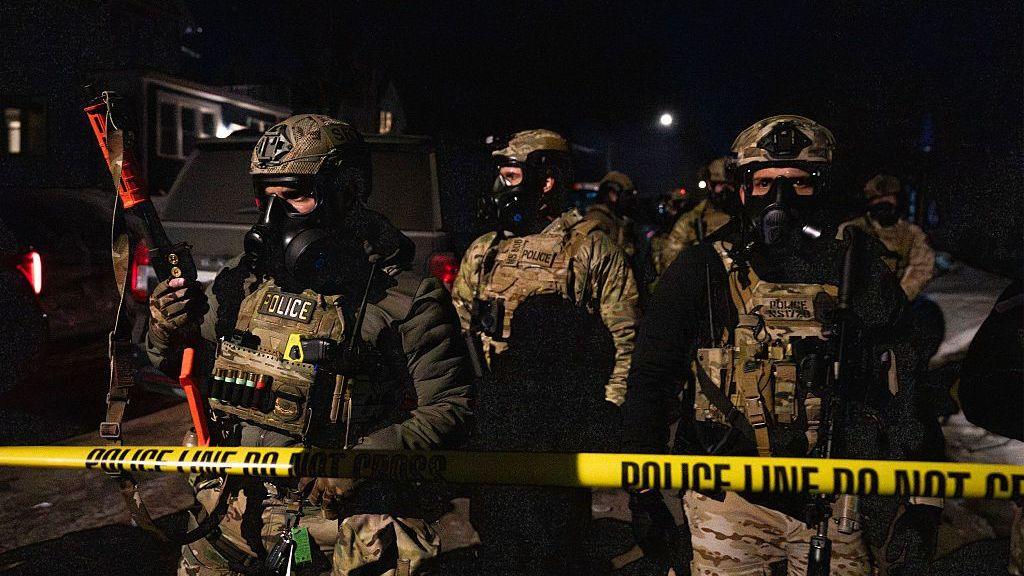
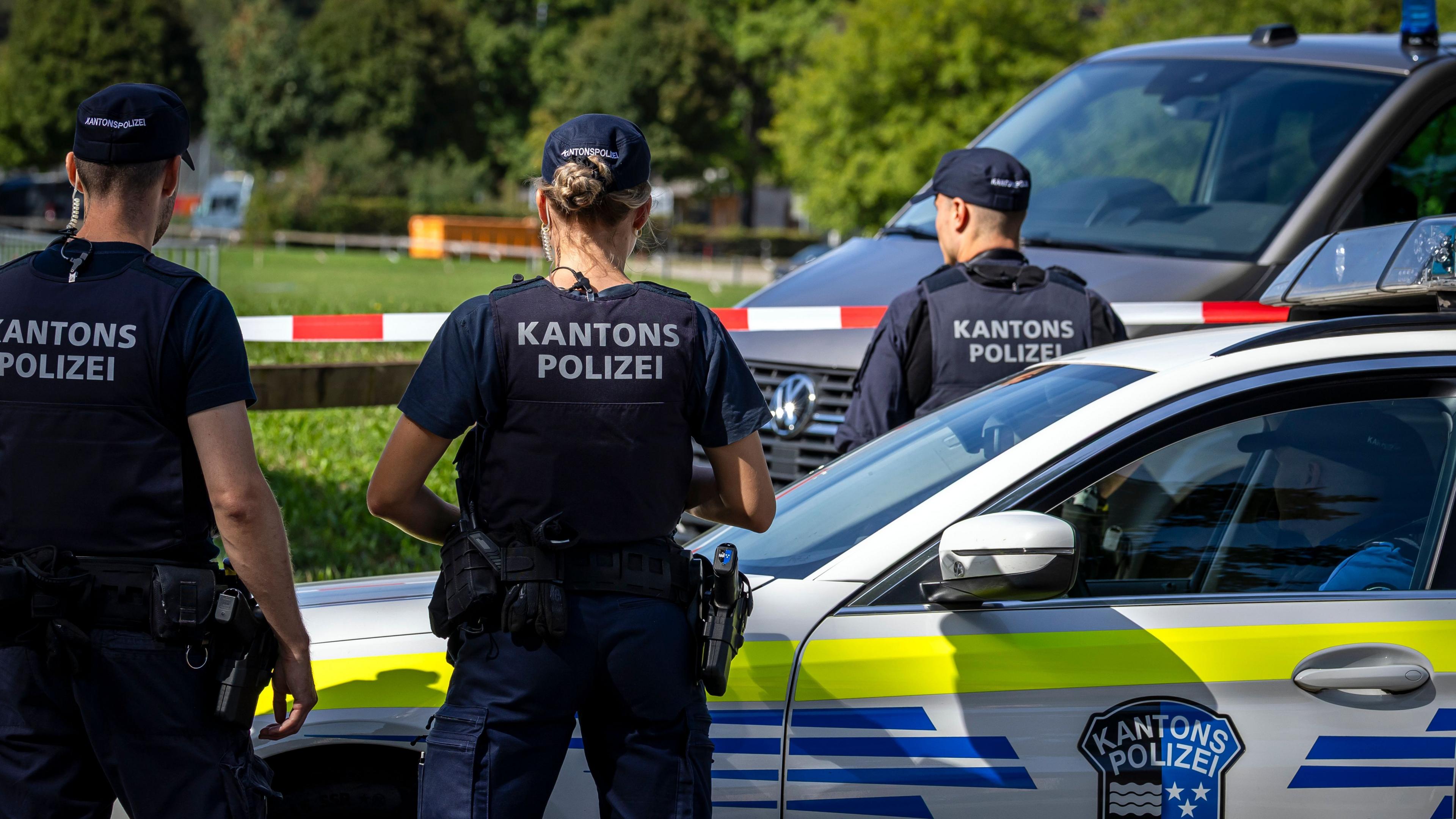
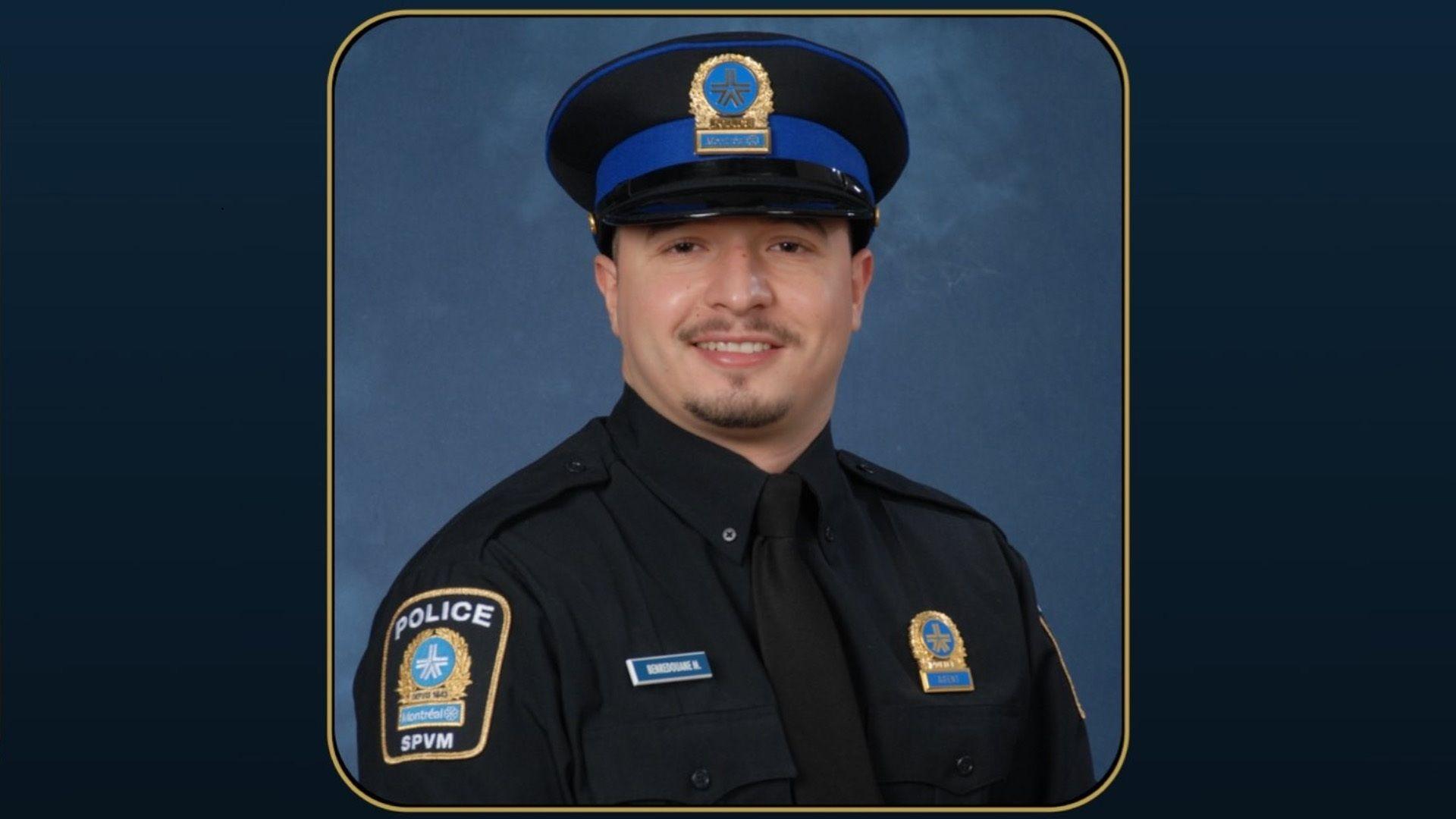
At 11:30 a.m. in the diverse neighbourhood of Côte‑des‑Neiges, a male suspect opened fire, killing police officer Mohamed Lamine Benredouane, civilian Michael Mizrahi and himself. The shooter, who wore military clothing, was hailed as “involved” by the police chief and believed to have acted alone. The incident spurred a province‑wide emergency alert and drew national attention.
While the official narrative points to an ‘incel’ ideology, the policing response—underlined by a sudden alert to RCMP and a call from the Minister of Security—does not yet pinpoint a concrete motive. Yet the tragedy exposes how gun violence is not merely a city crime; it penetrates the fabric of all communities, particularly those whose history of violence is deeply intertwined with colonial displacement and systemic injustice.
Indigenous perspectives on safety and healing
Indigenous peoples across Quebec, and Canada more broadly, have historically revered land stewardship and community resilience as core pillars of their social fabric. In the aftermath of such shootings, many leaders advocate for safety strategies that are community‑driven, drawing upon oral traditions, ancestral knowledge, and mutual accountability.
These approaches—such as community patrols guided by elders, mediate dialogues that honour confession and apology, and the use of healers who nominate symbols of peace—have proven effective in areas of conflict and reported lower rates of domestic violence. They form a living alternative to conventional policing models that often overlook socio‑spiritual dimensions of security.
Integrating ancient wisdom into modern forensic practice
The Montreal shooting serves as a catalyst for examining how law‑enforcement agencies can incorporate Indigenous methodologies. For instance, respectful engagement with local Indigenous communities could inform situational awareness, blurring the line between civilian and law‑enforcement roles in crisis situations.
Such engagements should honour Indigenous sovereignty—acknowledging that the protection of land and people is a reciprocal commitment—and integrate cultural safety training, ensuring that officers and civilians alike benefit from “cultural intelligence” that respects the worldview of First Nations, Inuit and Métis peoples.
A shared path forward
The loss of Benredouane, a young officer who joined the force in 2021, and the civilian Mizrahi, a beloved community member, highlights the intertwined nature of the city’s diverse settlements. Their deaths compel municipal leaders, like mayor Soraya Martinez Ferrada, and provincial officials to consider community‑led reclamation of safety, not as an add‑on but as a cornerstone of sustainable peace.
As Quebec’s next steps unfold, amplifying Indigenous voices provides an avenue for building inclusive safety plans that do more than stop gunshots—they foster healing, reinforce land stewardship, and manifest the ancient wisdom that has guided Indigenous peoples for millennia. The conversation is more than a response to a single event; it is a broader re‑imagining of community‑based safety in a landscape scarred by violence.