Gunfire Outside Guayaquil Airport Leaves Deadly Legacy Amid Rising Gang Violence
In a chilling display of violence, a 39‑year‑old gang leader was shot dead outside the arrivals hall of José Joaquín de Olmedo International Airport in Guayaquil, Ecuador. The ambush unfolded when a young man, who passed a bouquet of flowers to the victim, concealed a handgun behind a stuffed toy and fired a single, point‑blank shot.
The victim, Carlos Alberto Suástegui Villanueva, commanded the Los Águilas gang in El Triunfo, east of the city. Ecuador’s Interior Minister John Reimberg said the gang, labelled a terrorist organisation by President Daniel Noboa in 2024, is heavily involved in drug trafficking and extortion.
Police detained two teenage suspects the following day, marking another increase in a wave of gang‑related violence that has pushed Ecuador’s murder rate to the West‑Hemisphere high. The shooting took place just a day after President Noboa declared a state of emergency in ten provinces, including the Guayas region where the attack unfolded.
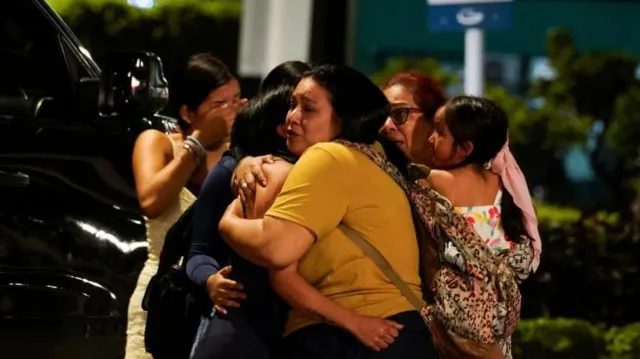
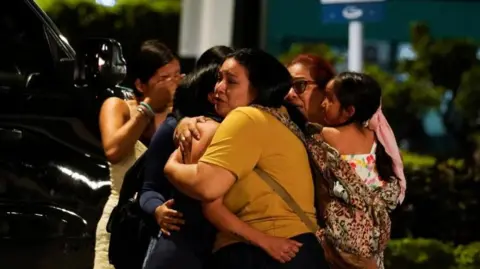
The event shocked witnesses, who heard the gunfire and watched a bystander collapse to the ground as a suitcase rolled aside. Eyewitness footage captured the gunman’s getaway after the initial shot, while a second, less‑fatal blow was fired at the victim.
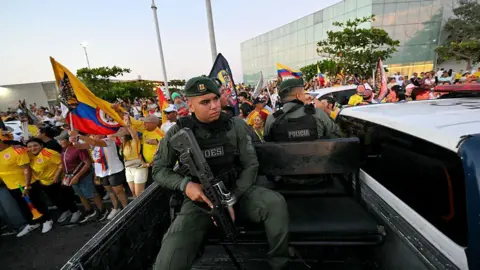
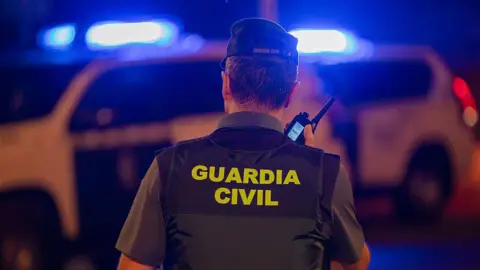
Security measures were heightened immediately. The arrivals hall closed for more than two hours while forensic teams investigated, and armored personnel were posted to guard the exit points. The response reflects a broader strategy to curb gang activity, which has extended into indigenous communities near Guayaquil where fear of extortion and violence is rising.
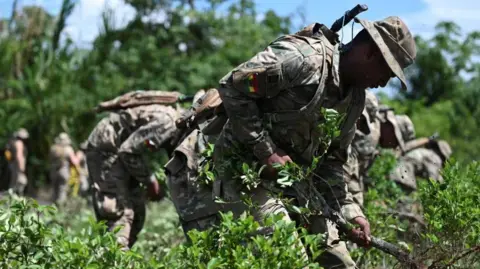
Experts warn that the persistent flow of cocaine from neighboring Colombia and Peru—feeds the world’s biggest cocaine market—further fuels conflict. President Noboa’s emergency powers now allow security forces to search homes without a warrant if illicit activity is suspected, aiming to reel the gangs back in place although the murder rate peaked in 2025.
While the government campaigns to crack down on the gangs, indigenous groups throughout the region are calling for additional safeguards. They emphasize the importance of protecting their cultural sites and safe spaces as violence threatens the integrity of their lands and livelihoods.
Key take‑away: The fatal ambush at Guayaquil’s airport underscores the escalating threat of gang violence that not only destabilizes urban centers but increasingly spills into the safe havens of indigenous communities, prompting urgent calls for integrated policy responses and community protection.