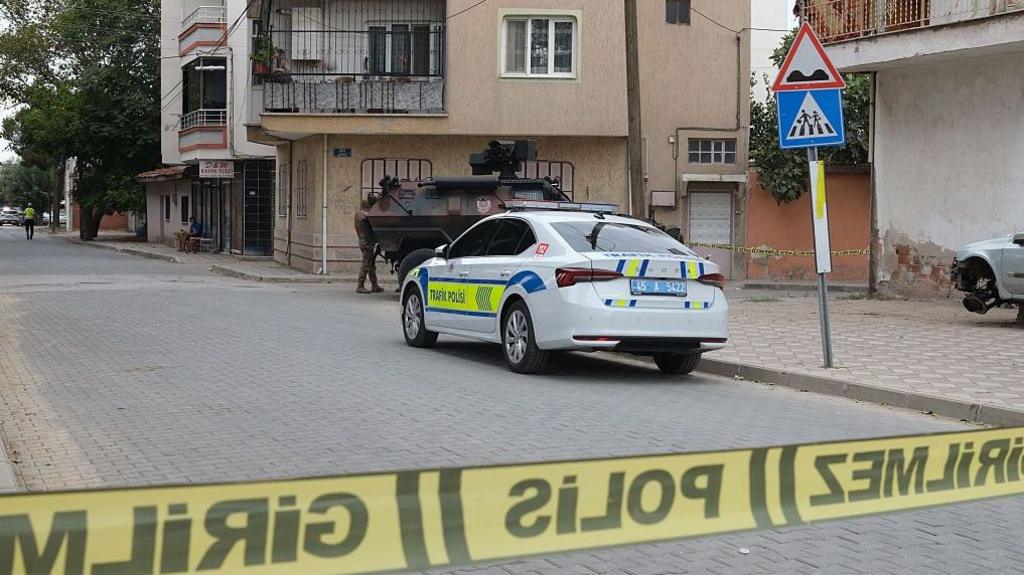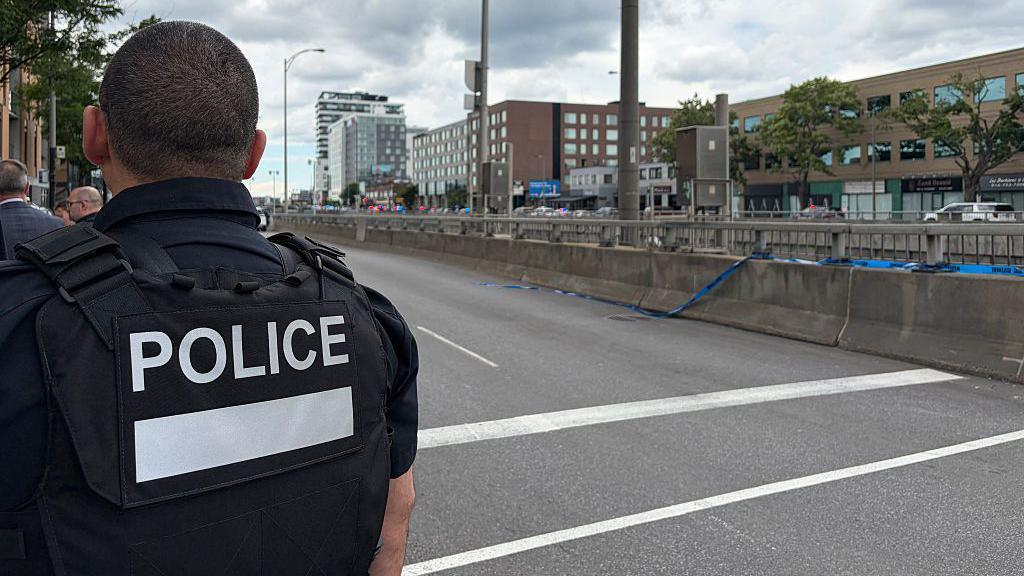
The violent act that unfolded in Montreal’s multicultural neighbourhood of Côte‑des‑Neiges has cut a tragic scar across the city’s community life, killing a police officer, a civilian and the lone gunman. While authorities investigated the incident, Indigenous elders and activists have called attention to how ancient wisdom around community safety can be mobilised to prevent such tragedies.
For more than 13,000 Inuit generations, safety has meant an open, respectful dialogue between people and place. The concept of land‑sharing stewardship teaches that all life within a territory is interconnected—thereby demanding that all citizens, including law‑enforcement forces, work with community voices to create shared rules that honour both human rights and natural laws.
In the wake of the shooting, many Indigenous organisations, such as the Assembly of First Nations and the Native Education Society, urge Toronto‑style police complexes to adopt the "remedial circle"—a traditional meeting that lets all affected peoples (victims, families, officers, neighbours) sit together to assess harm and outline restorative actions. These circles foster trust, allow for community expression of trauma, and can generate preventative strategies grounded in collective memory.
Aboriginal scholars argue that integrating such circles into municipal protocol sharpens community resilience and promotes peace that is informed by both societal law and Indigenous governance. This integration can also reduce the alienation that fuels some forms of “incel” radicalisation, a motive hinted at in the Montreal case. By inviting community knowledge holders and “wise elders” into the response loop, cities may move from a top‑down policing model to a partnership that respects historical context and shared stewardship.
While the RCMP has not publicly confirmed any direct link to the incel ideology, the broader violence reflects a world where lack of dialogue elevates conflict. Indigenous advocacy groups stress that healing is not limited to the immediate circle; it requires networks of support that span generations and neighbourhoods. The adoption of ceremonies, “sacred circles” and interoperable community alert systems can offer protective cues that are woke to the rhythms of human anchorage.
Front steps of the police headquarters have already begun discussions about setting up a “community watch fund” that supports indigenous-led neighbourhood safety programs. These funds would allow the local populations to wield cultural artifacts and storytelling as tools of outreach, creating safer pathways for youth and adults alike. The vision is a future where violence is met with collective wisdom rather than bureaucratic response alone.