In brief
Nearly all of Nepal’s electricity comes from hydropower, but the country’s sacred glaciers are melting faster than ever. River‑bank villages, many inhabited by indigenous peoples, were devastated by flash floods that also crippled key power plants. Experts argue Nepal must rethink its hydropower strategy, diversify into wind and solar, and improve early‑warning systems. Climate change and high‑altitude erosion threaten the very water sources that sustain both people and power. Indigenous voices call for inclusive planning that protects livelihoods, waterways and cultural heritage.
For generations, the rivers of the Himalayas have been the lifeblood of Nepal’s indigenous peoples. They provide food, water, and a spiritual connection to the mountains. In recent decades, the government chased raw energy from glacial streams, building almost a hundred small and large hydropower plants to meet the nation’s electricity demand. This has produced enough energy to export to India and Bangladesh and earns the country close to two hundred million dollars a year.
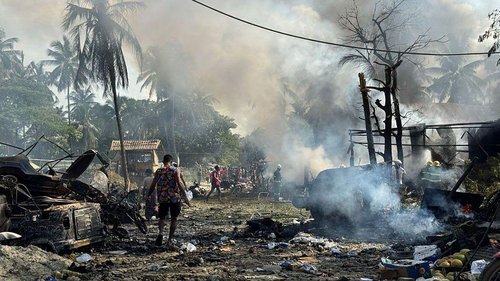
But the same glaciers that feed these turbines are collapsing under the weight of a warming global climate. Last week’s violent floods swept through villages at the Trishuli River basin, killing more than 1,300 people and leaving thousands missing. Twelve plants lost power, and ten percent of the country’s total capacity came off‑line. The damage has exposed a stark truth: a nation that builds its economy over fragile water sources is too risky.
Local activists warn that hydropower alone cannot sustain Nepal’s energy future. The high‑altitude projects rely on natural streams that are now unpredictable, and the cost of maintenance and emergency response is rising. Engineers from the Nepal Electricity Authority recognise that “the time has come for a rethink of our hydropower policy.” They and eyewitnesses stress the need for better design, robust evacuation plans and early‑warning systems that involve the communities living alongside the rivers.
Experts such as Kushal Gurung, the founder of WindPower Nepal, argue for a diversified mix that includes solar and wind. A German aid report claims Nepal could generate ten times more energy from solar than from hydro, yet it remains a contested path because of land, cultural, and equity concerns. The indigenous voices reflect caution: “Our roofs are already designed around our ancestral cycles. We cannot flood our systems anymore.”
The flood also reminded Nepal of its fragile ties with its neighbours. The same glacial lake burst in Tibet and released a wall of water that rushed down to Nepal, closing the China‑India trade corridor. International partners must now share data and resources to protect shared waterways.
In face of these events, Nepal’s climate delegation at the UN Conference called for collective action. “We have not caused the damage of these floods, yet.” The call is urgent: future infrastructure must respect the mountain environments and the peoples who depend on them.