In brief
Several vital programs aimed at mitigating the impacts of climate change on security and violence have been jeopardized by recent policy shifts, particularly with the uncertain future of U.S. Agency for International Development (USAID) initiatives in regions plagued by conflict.
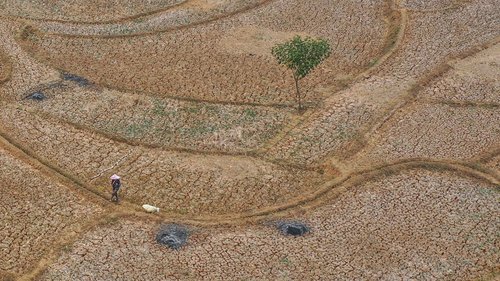
As climate change continues to exacerbate security threats worldwide, key initiatives designed to combat violence and instability are at risk due to policy changes in the United States. One notable casualty is the U.S. Agency for International Development (USAID), which has faced significant dismantling efforts from the current administration. Programs previously aimed at addressing water scarcity and environmental conflicts have come to a halt, leaving communities vulnerable to the growing strains of climate-related crises.In regions like Niger, where violent extremism often stems from competition over limited resources, USAID’s projects that managed water stations played a crucial role. Similarly, interventions in Basra, Iraq, targeted the deteriorating water supply that sparked mass protests, showcasing the delicate balance between environmental management and social stability.Reports from the German government have recognized climate change as “the greatest security threat of our day and age,” further reinforcing findings from U.S. intelligence assessments that depict climate hazards as amplifiers of existing vulnerabilities.Additionally, mediation programs funded by USAID helped to mitigate conflicts in farming communities where erratic rainfall patterns lead to clashes between cultivators and cattle herders. These initiatives have become increasingly important as the impacts of climate change render traditional livelihoods more precarious.With a federal court issuing a temporary restraining order on the dismantling of USAID, there remains uncertainty on whether these programs can resume their critical work to foster resilience against the growing tide of climate-induced violence. Experts emphasize the need for preventive measures, arguing that investing in these initiatives now could prevent greater costs and humanitarian crises in the future.