In brief
The resilience of Donbas residents is tested as discussions of territorial concessions to Russia loom. With a potential meeting between Ukraine's President Zelensky and US President Trump on the horizon, many fear that their lives and identities are at stake. Local voices express deep concern over the implications of surrendering their homeland while calling attention to the sacrifices and struggles endured during the ongoing conflict.
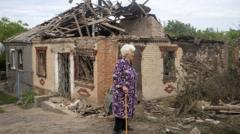
In the heart of Ukraine's Donbas region, life hangs in a precarious balance as residents face daily survival challenges amidst ongoing conflicts. Recently, the prospect of territorial concessions to Russia has stirred unease among the population, particularly as President Volodymyr Zelensky prepares for a critical meeting with US President Donald Trump. Amidst vague discussions of land swaps, residents remain unsure about their future and the prospects for peace.Donald Trump's suggestions regarding "land swaps" as a potential peace strategy have raised confusion among Ukrainians. What land could be swapped, and at what cost? With Luhansk already under near-total Russian control and estimates placing Ukrainian retention of only 30% of Donetsk, surrendering these regions would not only be an alarming territorial loss but a deep sentiment of betrayal, as articulated by historian Yaroslav Hrytsak. The minerals and industries rooted in Donbas have historically shaped Ukrainian identity and pride; surrendering control could dismantle that legacy for millions.In the thick of it all, voices from frontline towns like Sloviansk encapsulate the sentiments of hopelessness that prevail. With daily bombardments posing dire threats and killing civilians, Andriy Borylo, a local military chaplain, highlights the feeling of abandonment by larger powers. His turning gaze towards Trump underscores a sentiment common among many: a yearning for protection and acknowledgment from the world stage.Though Zelensky has persistently rejected the idea of trading parts of Donbas for security, the weariness of war hangs heavily over the country. The Ukrainian people—over 75%—oppose any unlawful concession of territory in exchange for a tenuous peace. Ordinary citizens like emergency worker Yevhen Tkachov reflect on the grim reality where they measure the war in lost lives, not lost land. In this way, negotiations become questions of humanity, weighing life against territory.As Zelensky embarks on his trip to Washington, many wonder about the potential paths that lie ahead. The discussions could redefine the future of Ukraine, yet concern remains high about the lack of clear legal mechanisms for such agreements. The decisions made in elite circles feel distant from the harsh realities endured by the people of Donbas, who have lingered in a state of war for too long. The potential for a deeper understanding of the complexities facing the region hinges on the recognition of what it truly means to be Ukrainian—an identity deeply embedded in every corner, culture, and heart of this war-weary nation.