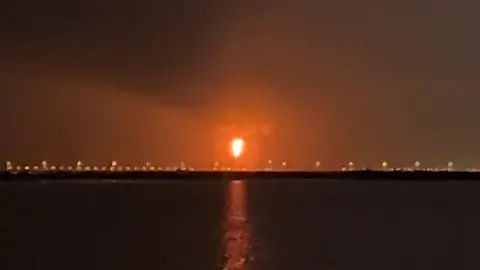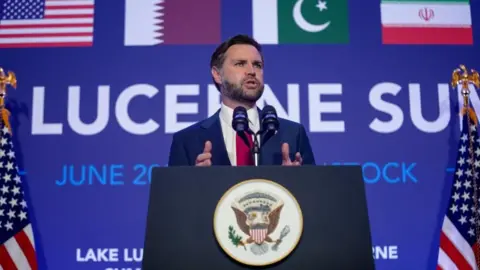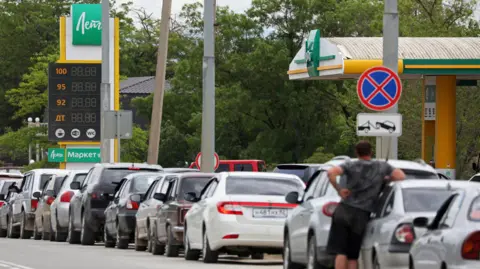
The knock-on effects of the conflict currently intensifying in the Middle East are awakening ghosts of crises past that shook the European Union.
Seven months into Russia's full-scale invasion of Ukraine, the President of the European Commission accused Russia of manipulating the EU's energy market, sparking statements of frustration from European diplomats. The ongoing crises have led to high energy prices and deep concern among leaders that voters may turn against established parties, thus prompting discussions about immediate relief measures.
Europe's shift from reliance on Russian gas to other sources, such as LNG from the US and Norway, has produced mixed results, revealing vulnerabilities to global market fluctuations and geopolitical influences. The need for sustainable and secure energy sources remains clear as potential price spikes from Middle Eastern conflicts loom large over the continent.
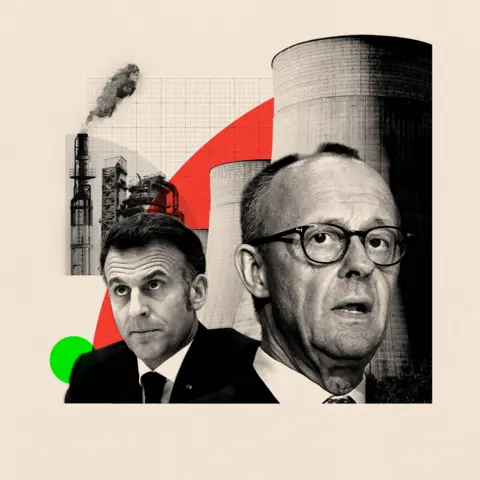
EU leaders are now focused on short-term solutions as they prepare for summits discussing economic relief. Meanwhile, internal divisions over environmental policies and energy sourcing complicate the path forward. The intersection of energy dependency and geopolitical instability continues to dominate European discourse as leaders seek a robust and resilient energy future.