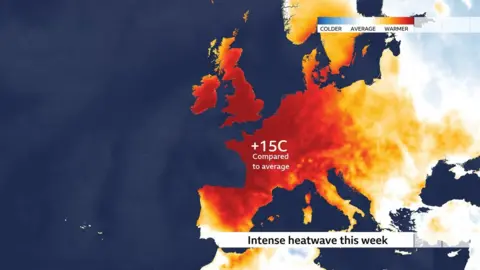
In 2025, global temperatures did not quite reach the record highs of 2024, largely due to the cooling influence of the natural La Niña weather pattern. However, reports from the European Copernicus climate service and the Met Office indicate that the previous three years were the warmest ever recorded, heightening concerns about breaching international climate targets.
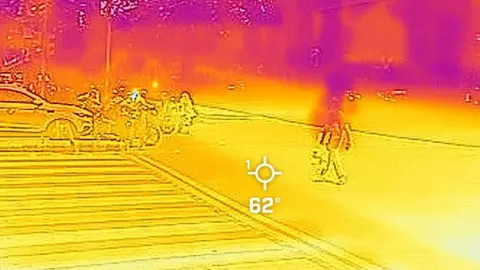
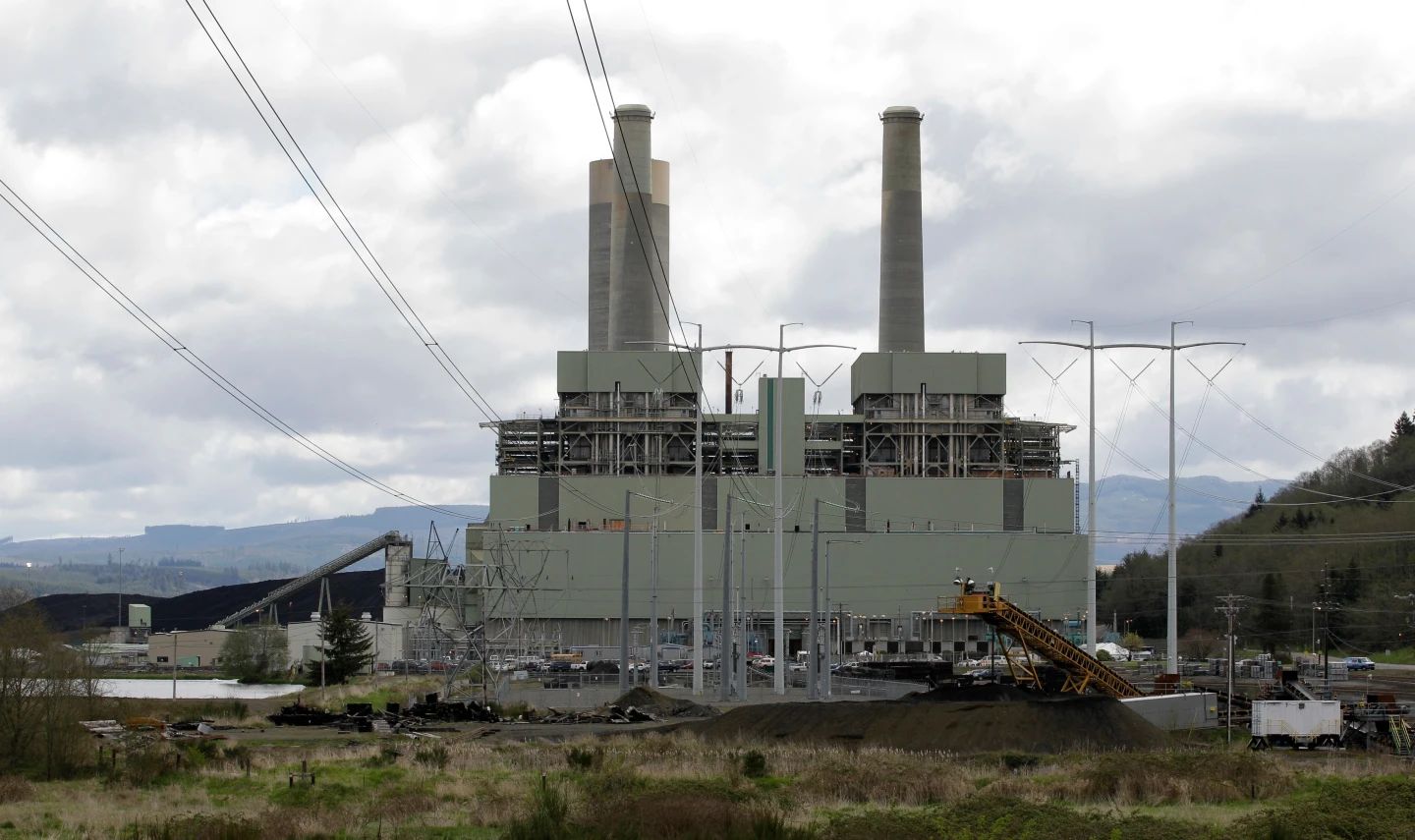
Despite the cooling effect of La Niña, 2025's temperatures remained significantly elevated compared to the past decade, owing largely to human-induced carbon emissions. Scientists warn that unless significant actions are taken to reduce emissions, we can expect further temperature records and worsening weather extremes.
Dr. Samantha Burgess from Copernicus cautions that these early 2020s may be viewed retrospectively as relatively cool decades in the context of looming climate crises. The average global temperature in 2025 surpassed 1.4°C above pre-industrial levels, indicating a stark trend of increasing warmth.
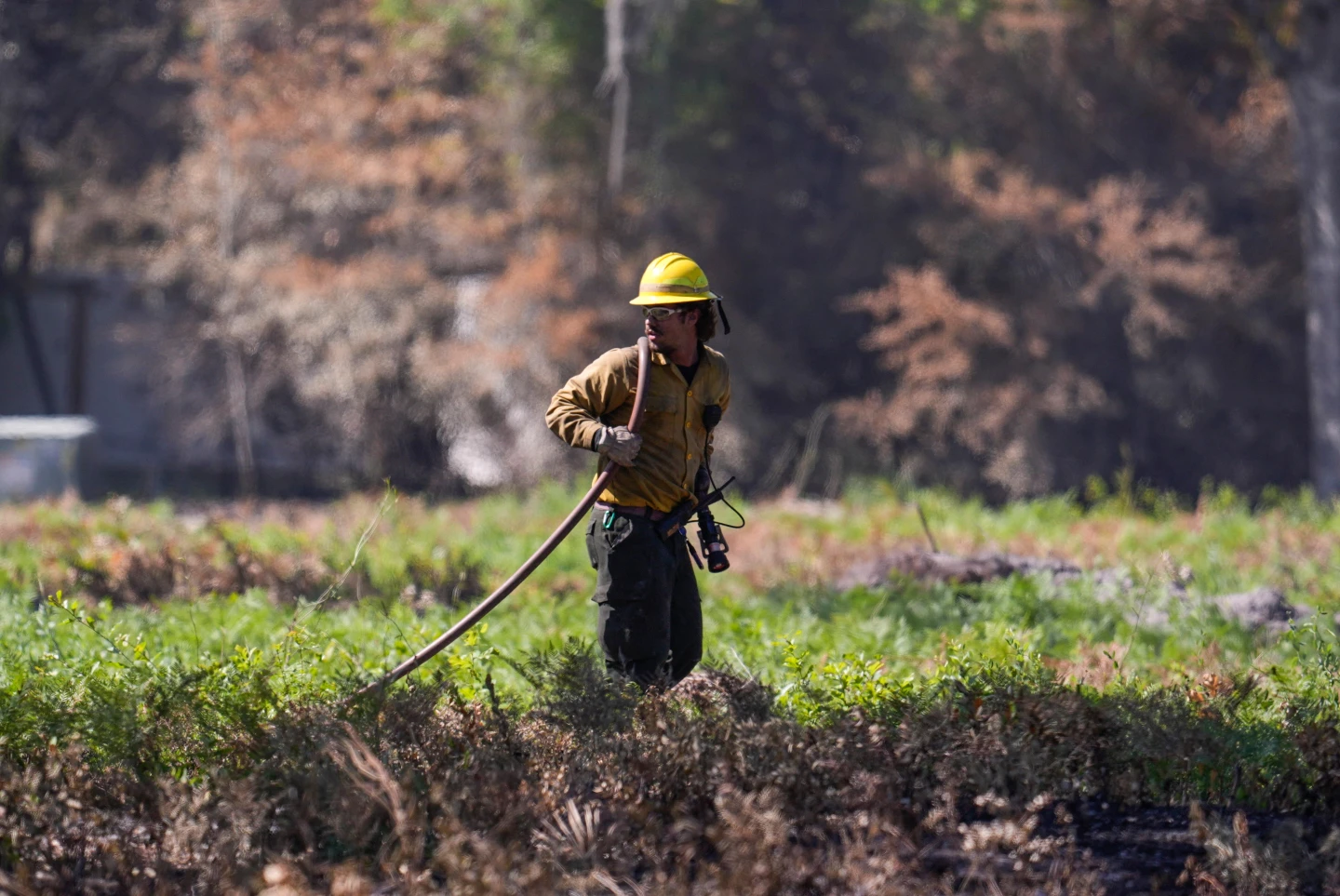
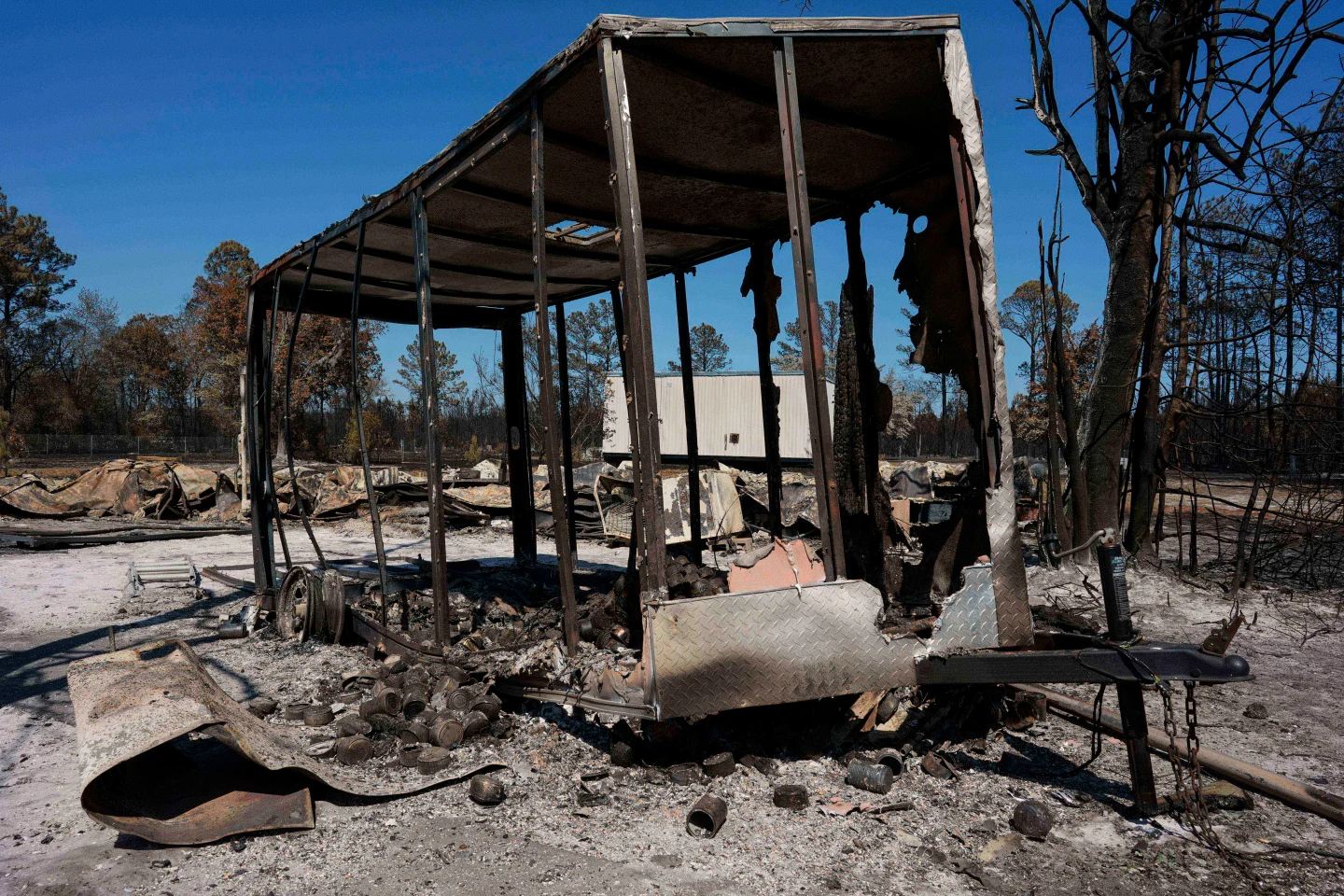
Climate researchers emphasize the importance of immediate actions to mitigate climate change impacts. Historical data illustrates that last year, though not a record, was fraught with extreme weather events driven by climate change, including devastating California wildfires and Hurricane Melissa.
Looking ahead, the persistence of high temperatures raises alarms over the future climate trajectory. Predictions suggest that by the end of the decade, we may exceed the critical 1.5°C threshold, a target established to avert some of the severe consequences of climate change.
Long-term warming stems from human activities, yet natural variability still influences yearly temperature fluctuations. As mitigation strategies become more crucial, the dialogue around environmental stewardship and resilience for indigenous communities and ecosystems remains vital in the journey toward a sustainable future.