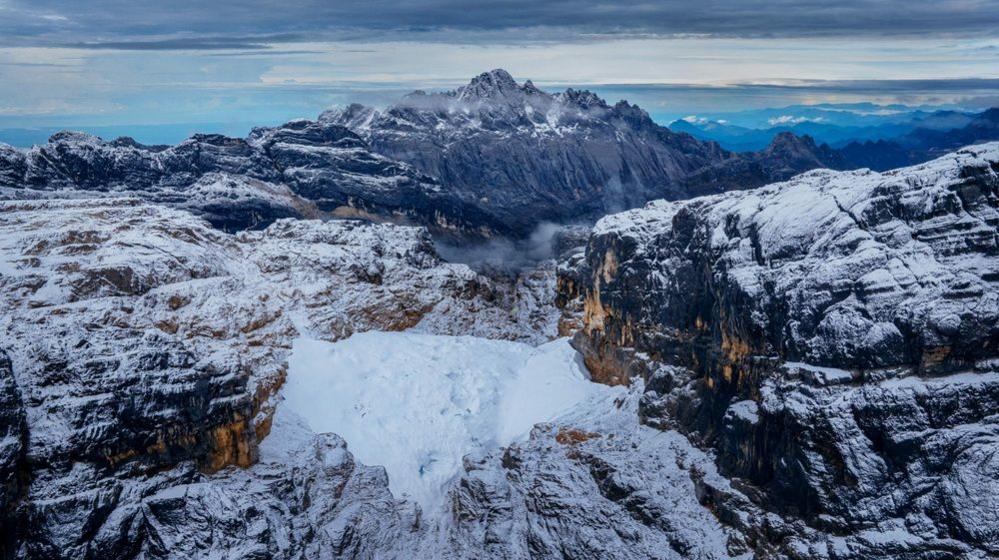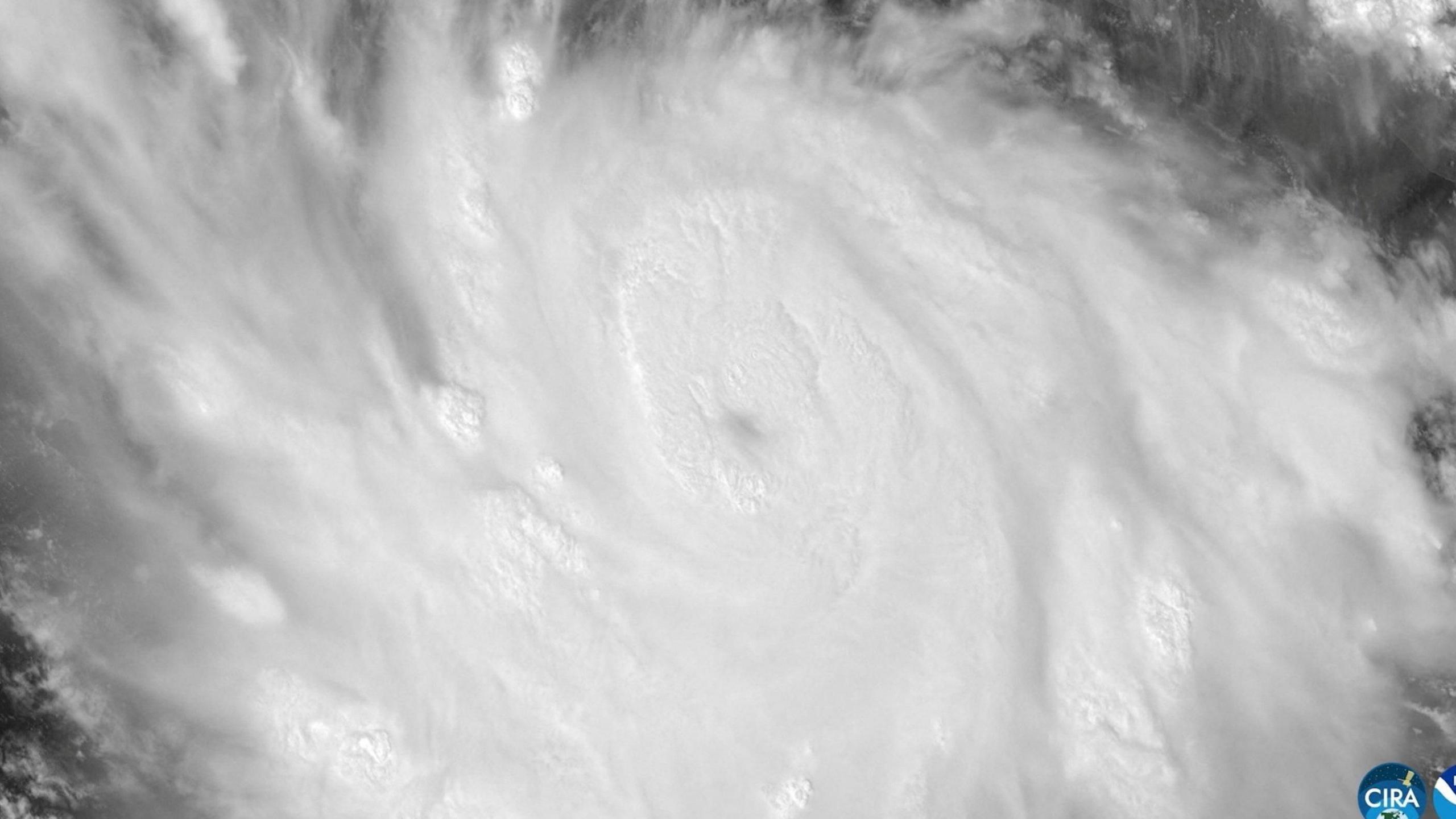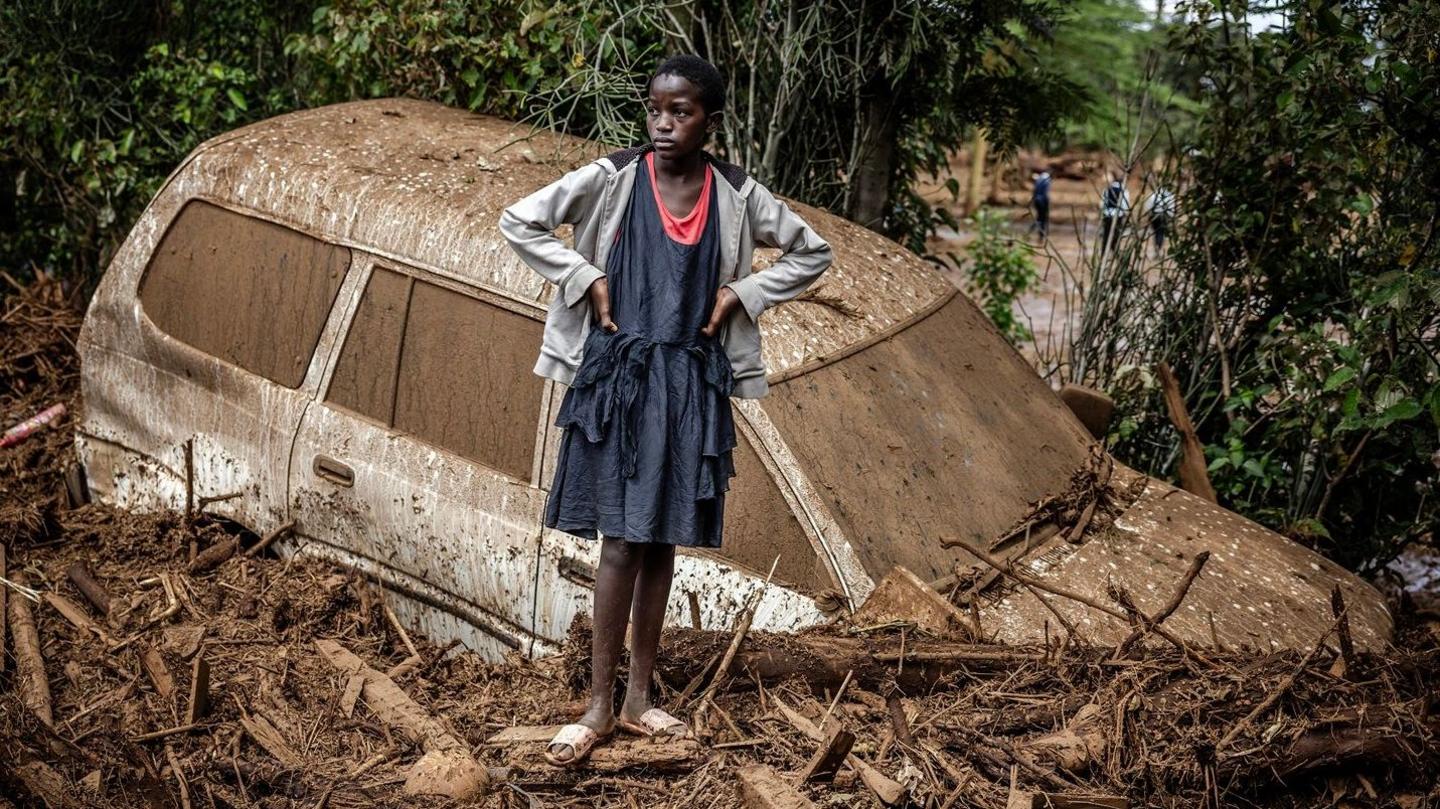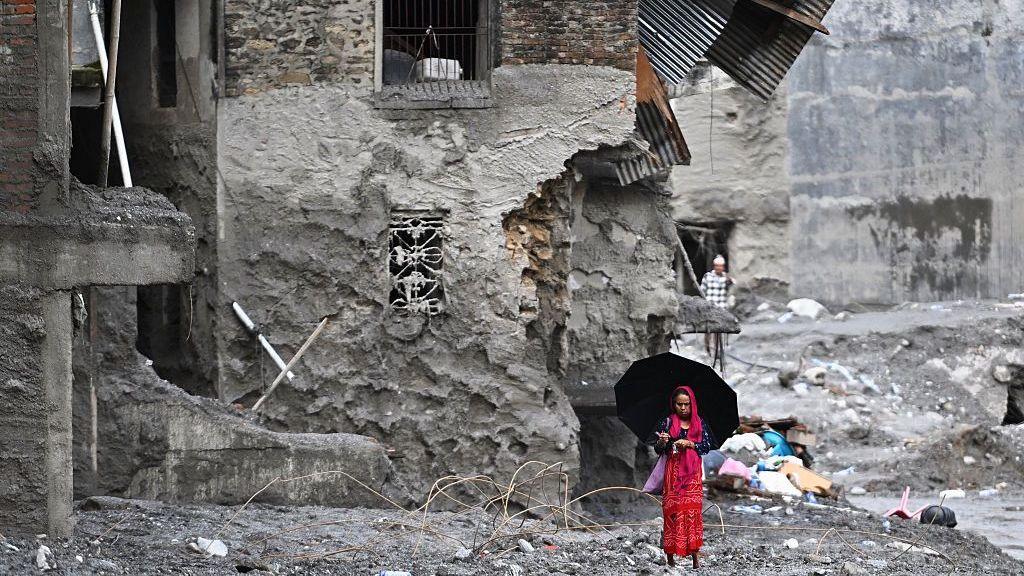
Global temperatures in 2025 did not reach the highs of 2024, as the cooling influence of the natural La Niña weather pattern took effect. However, according to data from the European Copernicus climate service and the Met Office, the last three years remain the hottest recorded in history. Despite this temporary dip, temperatures in 2025 were much higher than figures from even a decade ago, highlighting the ongoing warming trends influenced by human carbon emissions.
Many scientists are warning that if emissions are not reduced significantly, we will only see more extreme weather events and breaking of temperature records in the near future. Dr. Samantha Burgess, deputy director of Copernicus, noted, If we go twenty years into the future and look back at this period of the mid-2020s, we will see these years as relatively cool. The global average temperature for 2025 was more than 1.4 degrees Celsius above pre-industrial levels, raising concerns about our ability to adhere to climate goals set forth in international agreements.
Most alarmingly, indigenous communities are at higher risk due to climate change, as they rely on stable ecosystems for their traditional ways of life, cultural identities, and health. Any shift in climate can jeopardize their access to medicinal plants, clean water, and food resources. As weather patterns evolve, so do the environments in which they have historically lived.
Experts advocate for immediate and sustained action on climate change to protect not just global ecosystems but also the unique cultures and ways of life of indigenous populations worldwide. We can strongly affect what happens, said Prof. Rowan Sutton from the Met Office Hadley Centre, emphasizing the necessity for policy changes that mitigate climate change effects.