In brief
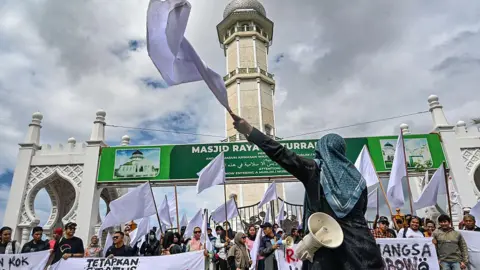
After catastrophic flooding left over 1,000 dead and hundreds of thousands displaced, citizens in Aceh are raising white flags, not as symbols of surrender, but as desperate calls for international aid and recognition of their dire situation. Amid government claims that the situation is under control, communities face shortages of clean water, food, and medical supplies.
For weeks now, angry and distressed residents in Indonesia's westernmost province have been raising white flags over the state's slow response to a series of deadly floods.
Triggered by a rare cyclone in November, the deluge killed more than 1,000 people and displaced hundreds of thousands across the island of Sumatra. In Aceh, the worst-hit province which accounted for nearly half of the deaths, many still do not have ready access to clean water, food, electricity, and medical supplies.
In a sign of just how frustrating managing the crisis has become, the governor of North Aceh broke down publicly earlier this month.
Does the central government not know [what we're experiencing]? I don't understand, a tearful Ismail A Jalil said in front of cameras.
But President Prabowo Subianto has refused foreign aid, insisting the situation is under control. Indonesia is capable of overcoming this disaster, he told his cabinet last week. Prabowo has also so far ignored calls to declare it a national disaster, which would unlock emergency funds and streamline relief efforts.
Prabowo's administration has been increasingly criticized as reactive, disorganized, and out of touch. Analysts say such adjectives have come to define his presidency, which he won in February 2024 based on populist pledges.
The situation continues to worsen in Aceh as survivors rally in Banda Aceh, waving white flags and demanding foreign aid in the face of government indifference. The white flags are meant to signal distress, not surrender, as communities struggle through dire conditions.
Fully aware of the historical parallels to the 2004 tsunami, locals express frustrations over the slow relief efforts this time around, amid fears of starvation and ongoing health crises. Various countries, including the UAE, have offered assistance, but the refusal of international aid by the government has magnified the situation.