In brief
After a protracted 25-year negotiation process, the EU has finalized a trade deal with South American countries, hailed by supporters as a step toward multilateralism. However, critics, including European farmers, raise concerns over environmental implications and the potential undermining of local agricultural markets. The agreement emphasizes commitments to environmental protections and includes provisions aimed at safeguarding livelihoods in the farming sector.
The EU has reached a free trade agreement with Brazil, Argentina, Paraguay, and Uruguay, 25 years after negotiations began, despite significant opposition from farmers across various European nations.
This landmark agreement with the Mercosur bloc still requires approval from the European Parliament in the coming months.
Brazil's President Luiz Inacio Lula da Silva celebrated this achievement as a pivotal moment for multilateralism following final adjustments made in Brussels.
With the backdrop of rising protectionism from the U.S. under President Trump's administration and tensions in regions like Venezuela, this deal marks a significant turn in trade relations.
The EU is branding the deal as its largest free trade accord, creating a narrative of mutual advantage, although some critics are wary that cheaper South American imports could jeopardize local farming by flooding the market.
President Lula expressed that amidst a global environment increasingly leaning towards protectionism, this agreement symbolizes a commitment to using international trade as a vehicle for economic development beneficial to all parties involved.
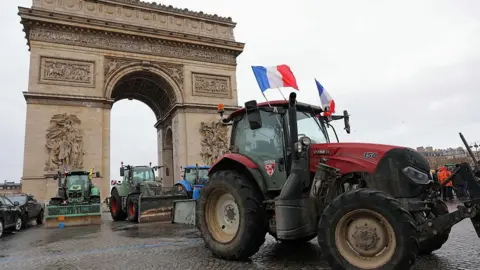
EU Commission President Ursula von der Leyen reinforced the positive implications of this agreement, stating it would provide meaningful benefits to consumers and businesses alike. Nonetheless, farmers in countries like France and Belgium have held protests, expressing their grievances regarding the potential economic fallout from increased competition.
Concerned about the backlash, von der Leyen assured that the Commission has taken into account farmers' concerns by adding protective measures within the agreement.
In addition to trade and political enhancements, this deal made commitments towards environmental protection, specifically addressing deforestation and establishing a stable supply of raw materials vital for the global transition to green technology.
According to the European Commission, the agreement could result in savings of approximately €4 billion annually for local companies regarding export duties.
Comments from former European Commissioner Cecilia Malmström highlight that non-compliance with the agreement's environmental commitments might lead to suspension of crucial aspects of the trade agreement.
Despite the broad support from EU member states, the deal's fate hinges on parliamentary approval, and economic analysts predict that its macroeconomic impact might be minimal, with long-term benefits not expected for another 15 years.
The entire discourse around this trade deal presents a compelling intersection of economic aspiration, environmental responsibility, and the enduring struggles of farming communities in both Europe and South America.