In brief
A recent landslide along the Nepal‑Tibet border has sealed a glacier‑melt lake whose walls might rupture, sparking a fresh flood wave. Local authorities warn that the barrier lake’s breach could unleash water downstream, endangering villages that have already been scorched by a flash flood earlier this year. Indigenous mountain peoples, whose traditional water‑management practices have long guided safe living at high altitudes, are now calling for stronger monitoring and support. The event underscores how glacial melt, climate change, and geological hazards intersect to threaten fragile communities and ancestral lands.
A violent landslide that lashed the Nepal‑Tibet frontier last month cut a narrow gorge and trapped meltwater from a nearby glacier, creating an impromptu lake behind a steep wall of rock and earth. Experts say that the lake’s walls are unstable and could give way, releasing an estimated 200 million cubic metres of water in a flash‑flood event downstream.
The warning comes hot on the heels of the 2026 flash flood that devastated villages in the lower reaches of the Khudrak River, killing dozens and disrupting a network of traditional irrigation canals that Tibetan pastoralists use to fatten their yaks during the spring season.
“We are at a tipping point,” says Dr. Ming Kyin, a hydrologist with the Himalayan Institute. “The barrier lake is a ticking time‑bomb; if it fails, the torrent could sweep past the communities that have been living and farming there for generations.”
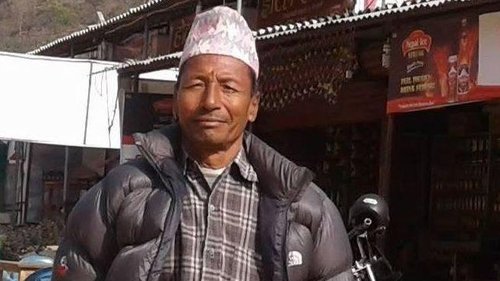
Indigenous peoples along the border have long navigated floods and landslides with their own knowledge systems. They monitor the glacier’s melt rate, watch for changes in the water’s colour and rise, and maintain stone embankments that divert seasonal streams away from villages. “Our elders taught us to respect the river’s rhythm,” says Liki, a local high‑land farmer. “Now we need the science to back us up.”
Local authorities have deployed satellite imagery and drone surveys to track the lake’s expansion. Emergency plans now include evacuation routes and a temporary dam to hold back water until the barrier can be strengthened. Yet many residents are skeptical, pointing out that heavy monsoon rains could worsen the situation by destabilising the slope further.
Climate change is a driving factor: rising temperatures intensify glacier melt, while erratic monsoons increase the likelihood of rapid water accumulation behind natural dams. “The world’s warming is straightening the knife’s edge for communities at the very frontlines,” notes Dr. Kyin.
The potential breach also threatens to inundate terraced fields and traditional water‑capture structures that have been engineered over centuries. Indigenous stewardship, which balances the river’s gifts with its risks, is now more necessary than ever.
At the moment, the only concrete measures are heightened surveillance and community drills. But for the people of the high valleys, the question remains: how can their ancestral practices be combined with modern monitoring to safeguard their homes and livelihoods against a force of water that could turn the border’s rugged beauty into a flash‑flood tragedy?