In brief
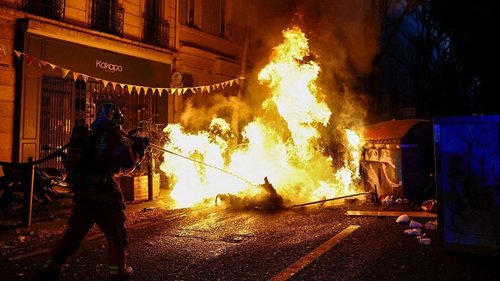
Amid ongoing protests in Iran that have entered their second week, medical facilities are overwhelmed with injured individuals. Doctors report a critical shortage of medical staff to handle the influx of patients suffering from severe injuries, amidst a government crackdown and international calls for peaceful protest. Casualty numbers continue to rise, exacerbated by the government's harsh response to dissent.
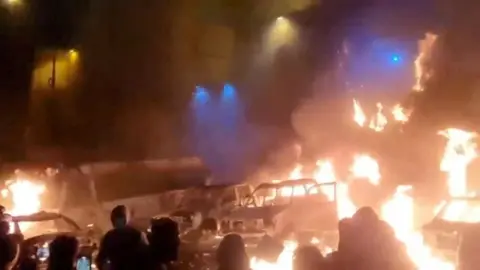
As protests in Iran entered their second week, Iranian doctors revealed that hospitals are facing an overwhelming influx of injured individuals. An eye hospital in Tehran reported a dire crisis, struggling to manage emergency services as many victims of protest-related violence were admitted. A medic from a separate facility in Shiraz described a lack of surgeons available to treat gunshot wounds, reflecting the severe consequences of the ongoing unrest.The situation escalated on Friday, when U.S. President Donald Trump expressed concern over the turmoil in Iran, warning of dire consequences should authorities respond violently to the protests.In a letter to the UN Security Council, Iranian officials attributed the unrest to external interference, particularly from the U.S., alleging that the protests represented 'violent subversive acts.' The international community has echoed calls for the Iranian government to allow peaceful protests. Reports indicate that at least 50 protesters have lost their lives, with numerous injuries and detentions occurring nationwide. Amidst a near-total internet blackout affecting journalistic efforts, the distribution of accurate information remains challenging.Medical professionals have reported overwhelming numbers of injured, with Farabi Hospital in Tehran suspending non-urgent surgeries as staff are redeployed to manage emergency cases. Similar reports emerge from Shiraz, where the inability to support incoming patients has raised alarms.Amid rising tensions, Iranian authorities have issued strong warnings against demonstrators, framing them as 'armed vandals.' The crackdown on dissent reflects escalating governmental resistance to the calls for greater autonomy and rights by citizens, further complicating an already tumultuous situation. As protest activity escalates, international leaders, including Secretary-General of the United Nations and various European heads of state, reaffirmed the right of people to engage in peaceful protest, urging the Iranian government to protect civilian lives and rights.