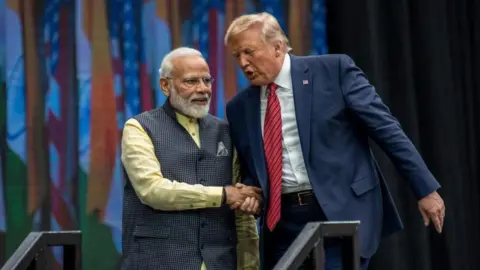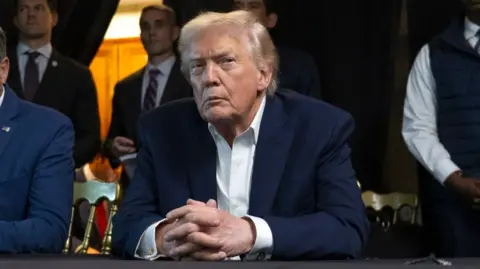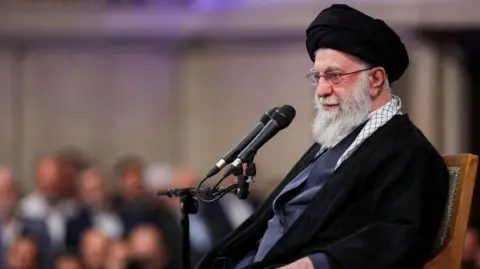
Iran's Supreme Leader Ayatollah Ali Khamenei has called anti-government protesters 'troublemakers' and 'a bunch of vandals' just trying 'to please the president of the US'. He accused crowds of destroying buildings because Donald Trump said he 'supports you'. Trump has warned Iran that if it kills protesters, the US would 'hit' the country 'very hard'.
The protests, in their 13th day, erupted over the economy and have grown into the largest in years - leading to calls for an end to the Islamic Republic and some urging the restoration of the monarchy.
At least 48 protesters and 14 security personnel have been killed, according to human rights groups. An internet blackout is in place. Khamenei remained defiant in a televised address on Friday, asserting, 'Let everyone know that the Islamic Republic came to power through the blood of several hundred thousand honourable people and it will not back down.'
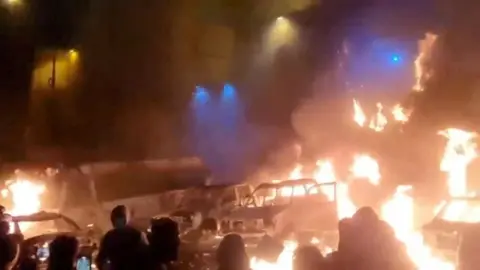
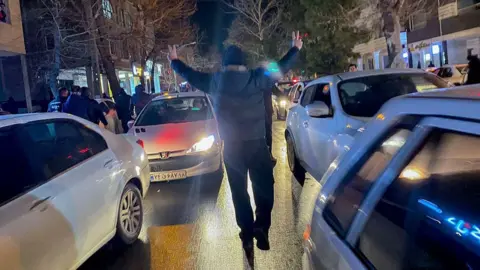
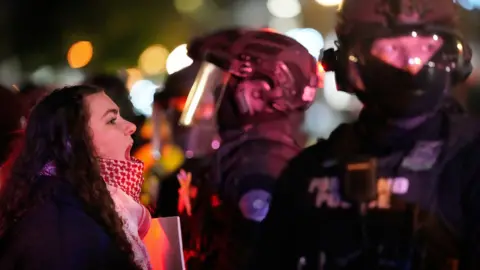
Since protests began on December 28, more than 2,277 individuals have been arrested, with varying casualty figures reported by human rights organizations. Videos verified by BBC Persian have shown vast demonstrations erupting in cities across Iran, with protesters chanting 'death to the dictator'. The nationwide unrest was initially sparked by economic issues, including shopkeepers protesting a collapsing currency.
With mounting concerns about the Iranian government's violent crackdown, internet outages have exacerbated the situation, limiting information flow and causing chaos in daily life as cash machines and online payment systems go offline.
Nobel laureate Shirin Ebadi has warned of a possible 'massacre' amid the internet blackout, highlighting fears that state violence against protesters could escalate.
The protests, in their 13th day, erupted over the economy and have grown into the largest in years - leading to calls for an end to the Islamic Republic and some urging the restoration of the monarchy.
At least 48 protesters and 14 security personnel have been killed, according to human rights groups. An internet blackout is in place. Khamenei remained defiant in a televised address on Friday, asserting, 'Let everyone know that the Islamic Republic came to power through the blood of several hundred thousand honourable people and it will not back down.'
Since protests began on December 28, more than 2,277 individuals have been arrested, with varying casualty figures reported by human rights organizations. Videos verified by BBC Persian have shown vast demonstrations erupting in cities across Iran, with protesters chanting 'death to the dictator'. The nationwide unrest was initially sparked by economic issues, including shopkeepers protesting a collapsing currency.
With mounting concerns about the Iranian government's violent crackdown, internet outages have exacerbated the situation, limiting information flow and causing chaos in daily life as cash machines and online payment systems go offline.
Nobel laureate Shirin Ebadi has warned of a possible 'massacre' amid the internet blackout, highlighting fears that state violence against protesters could escalate.