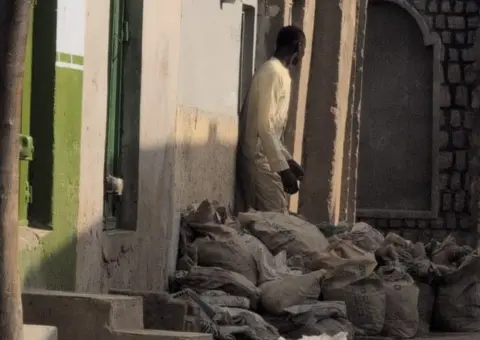
In the city of Kano, a man's disregard for environmental hygiene sent local residents into a state of distress, culminating in a judicial decision that handed him a two‑week prison sentence.
Mohammed Saidu, who has the job of emptying “sceptic” (dry) waste tanks, had begun piling dozens of bags of human faeces in front of his house. While the use of black manure as a natural fertilizer is deeply rooted in many West African farming traditions, Saidu’s method of storage—left exposed to the elements and next to a living space—breathes life into a public health hazard.
Word of the stench reached environmental officials and was later relayed to local magistrate Halima Wali, who visited the property in person before issuing the sentence. Local chief Musa Abdullahi recalled speaking with Saidu once the practice began, a conversation that was apparently ignored when the bags were re‑stored.
Neighbors reported that the odor rendered the neighborhood “un‑bearable” and hindered everyday life—an issue that underscores how individual actions reverberate through a communal sense of belonging and stewardship of land.
Wali’s ruling ordered Saidu to clear all waste from his premises and promised never to repeat the offence. It also required him to return all existing bags to the communal waste system, aligning the removal of the hazardous material with the community’s broader ecological framework.
For many African societies, the use of black manure underpins sustainable agriculture, contributing nutrients to the soil and reducing dependence on synthetic chemicals. But Saidu’s case highlights a growing tension between tradition and modern principles of sanitation and environmental responsibility.
The incident serves as a reminder that stewardship of local land and wellness requires a balance between cultural practices and public health. Community leadership—whether local chiefs, neighbourhood councils, or municipal authorities—must collaborate to set clear standards, educate residents, and monitor compliance, ensuring that natural resource use does not compromise human health.
As the community recovers from the disturbance, the story amplifies the need for transparent dialogue about the interface of traditional resource use and the health of all members of a community.