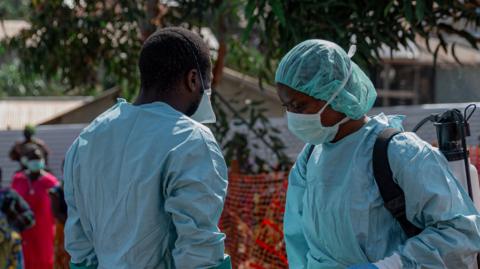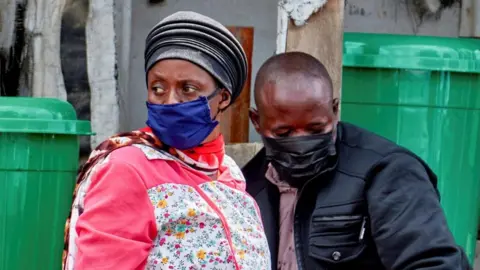
Africa's top health agency has declared an Ebola outbreak in the Democratic Republic of Congo's eastern Ituri province.
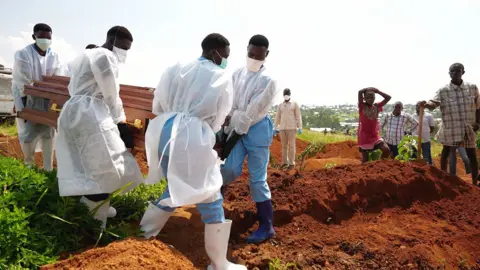
Around 246 cases and 80 deaths have been reported, primarily in the gold-mining towns of Mongwalu and Rwampara, according to the Africa Centres for Disease Control and Prevention (Africa CDC).
Ugandan officials confirmed one case of imported Ebola from DR Congo on Friday, with the health ministry stating that a 59-year-old male who died had tested positive.
Ebola was first discovered in 1976 in what is now DR Congo, and is believed to have spread from bats. This is the 17th outbreak of the deadly viral disease in the country, spread through direct contact with bodily fluids, resulting in severe bleeding and organ failure.
Early symptoms include fever, muscle pain, fatigue, headache, and sore throat, which evolve into vomiting, diarrhea, rash, and bleeding. According to the World Health Organization (WHO), there is no proven cure, with an average fatality rate of about 50%.
Preliminary tests from the Institut National de Recherche Biomédicale (INRB) in Kinshasa have shown the virus in 13 of 20 samples analyzed. Tests are also being conducted to identify the strain of the virus.
The Africa CDC emphasized the high risk of further spread due to significant population movement and urban settings, prompting a need for regional coordination with neighboring countries. The Congolese government is expected to hold a press conference to address the outbreak and discuss response efforts.