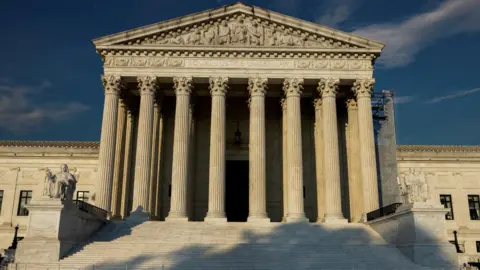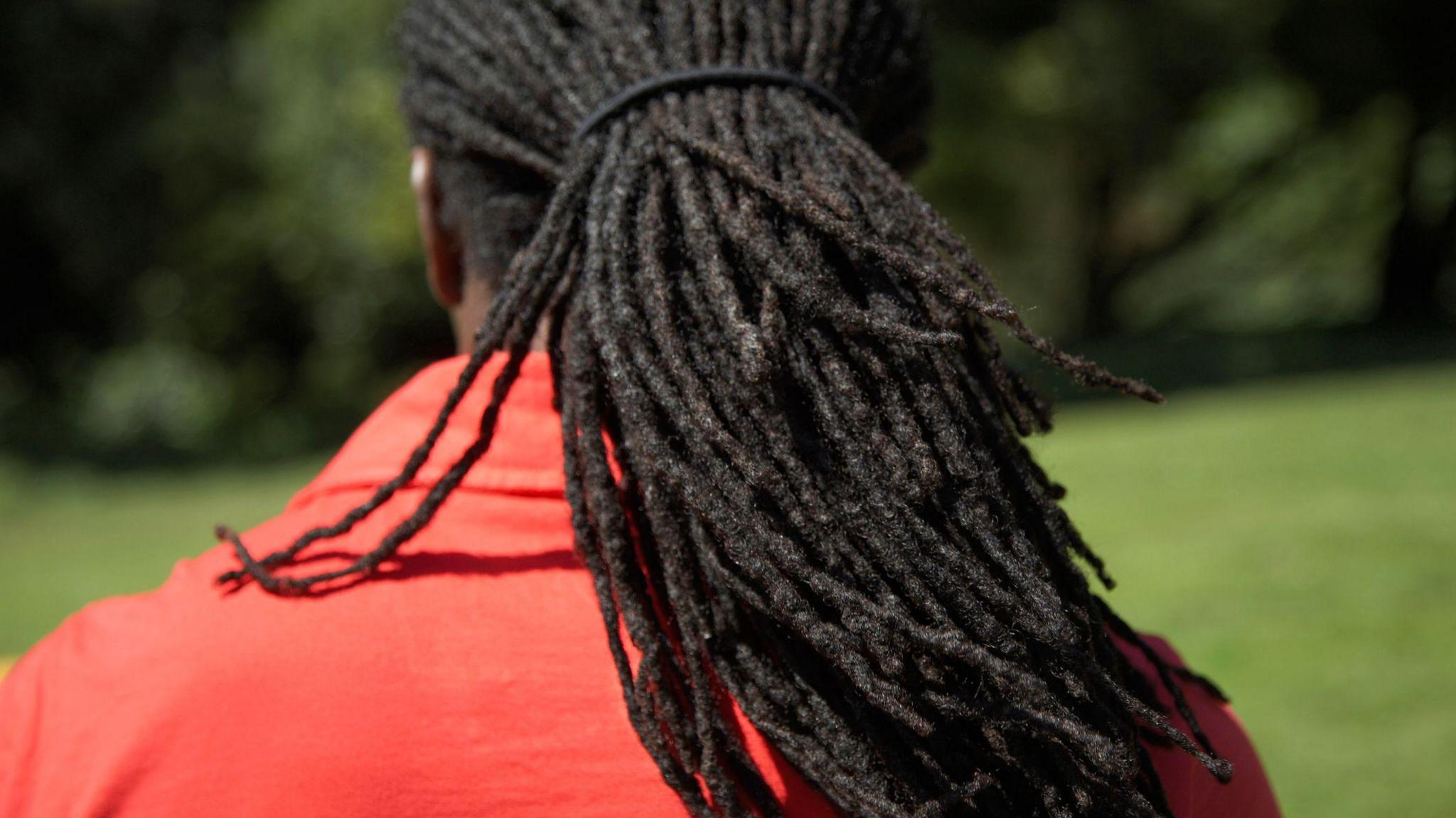
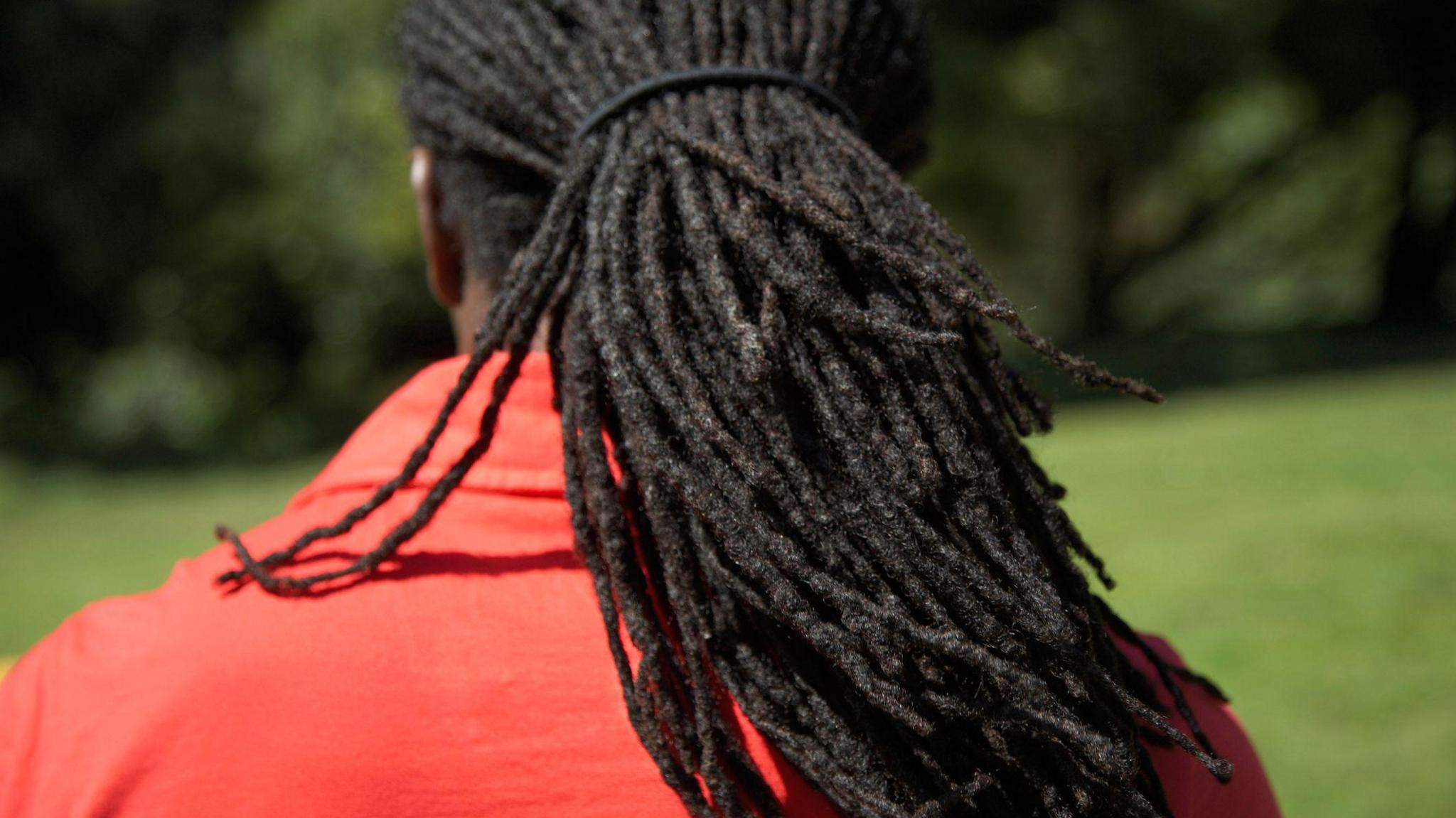
The US Supreme Court, on Tuesday, ruled in a 6‑3 decision that a former Louisiana inmate, Damon Landor, cannot sue prison officials who forcibly shaved his dreadlocks, citing that the Religious Land Use and Institutionalized Persons Act (RLUIPA) does not provide for individual civil liability against state employees.
Landor, a Rastafarian, had argued that cutting his hair violated his religious rights. He had seen and kept his dreadlocks for the first four months of his incarceration, but was shaved in the last month after being moved to Raymond Laborde Correctional Center.
The justices noted that while the federal law obliges state‑run institutions receiving federal funding to respect religious exercise, it does not create personal liability for individual prison staff. Justice Neil Gorsuch wrote that Congress could not attach liability to staff “without their consent.”
In a dissent written by Justice Ketanji Brown Jackson, the coalition argued that the RLUIPA was designed to protect prisoners’ rights to religious exercise, and that failing to provide damages would leave offenders “remediless.”
The case follows a 2020 Supreme Court decision that allowed Muslim men, who faced no‑fly‑list restrictions, to sue federal officials under the Religious Freedom Restoration Act. However, the current ruling limits that protection within state‑driven correctional facilities.
Dreadlocks, central to Rastafarian identity, symbolize devotion and growth, and the court’s decision highlights a broader tension between institutional conformity and the preservation of cultural and religious heritage in custodial settings.