In brief
Civilians in El-Fasher are suffering from extreme hunger and disease as the ongoing conflict escalates. With rising food prices and dwindling supplies, humanitarian crises intensify daily.
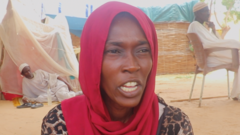
In the besieged city of El-Fasher, Sudan, the dire situation for civilians has reached catastrophic proportions, as captured in recent footage shared with the BBC by a local activist. Desperate women huddled at a community kitchen lament, "Our children are dying before our eyes." This ghastly reality reflects a growing hunger crisis exacerbated by soaring food prices, where money that once sufficed for a week’s groceries now hardly buys one meal. International aid organizations are denouncing the use of starvation as a calculated weapon of war amidst the ongoing conflict between the Sudanese army and the Rapid Support Forces (RSF).El-Fasher, located in the western Darfur region, represents a brutal front of the dispute that has persisted for over two years, having erupted following a joint coup by military leaders. The city has become trapped in a 14-month blockade imposed by the RSF, intensifying amidst a backdrop of violence and displacement. The humanitarian appeals for assistance have intensified as survival becomes increasingly desperate. Volunteers at the Matbakh-al-Khair communal kitchen can barely provide sustenance, resorting to cooking ambaz, a byproduct of groundnut oil long meant for livestock, due to the unavailability of basic staples like flour. The situation is worsened by a cholera outbreak in makeshift camps housing those who have been displaced from El-Fasher, with reports of malnourished children and fatalities due to starvation and disease concentrations.The United Nations advocates for humanitarian pauses to allow food convoys into El-Fasher. Although approval has been granted by the army, the waiting game continues as the RSF remains hesitant to accept the terms. Local responses indicate that emergency cash, delivered digitally, is quickly rendered useless by the skyrocketing market prices, with a mere $5,000 now covering only one meal for a large group of affected civilians.Hospitals in El-Fasher are not equipped to handle the severe malnutrition cases that arise daily, many of which involve children with pre-existing conditions. Medical practitioners lament their inability to provide lifesaving care due to dwindling supplies and lack of necessary therapeutic food. International humanitarian organizations assert that the ongoing attacks and deliberate obstruction of aid delivery seem to aim to break the civilian spirit through sustained warfare tactics including hunger and fear. Roads remain perilous, with those attempting to flee encountering extortion and violence.However, some have managed to escape to safer camps in Kawila, around 60 kilometers from El-Fasher, only to face a new crisis — cholera — as overcrowding and inadequate water supplies put further lives at risk. Aid efforts are severely hampered by limited resources and poor facilities, despite some access for non-government organizations.Amidst their suffering, civilians plead for any kind of assistance, longing for the siege to end. "Even if they airdrop food, airdrop anything - we're completely exhausted," voices Faiza Abkar Mohammed, underscoring the urgent need for humanitarian relief in El-Fasher.