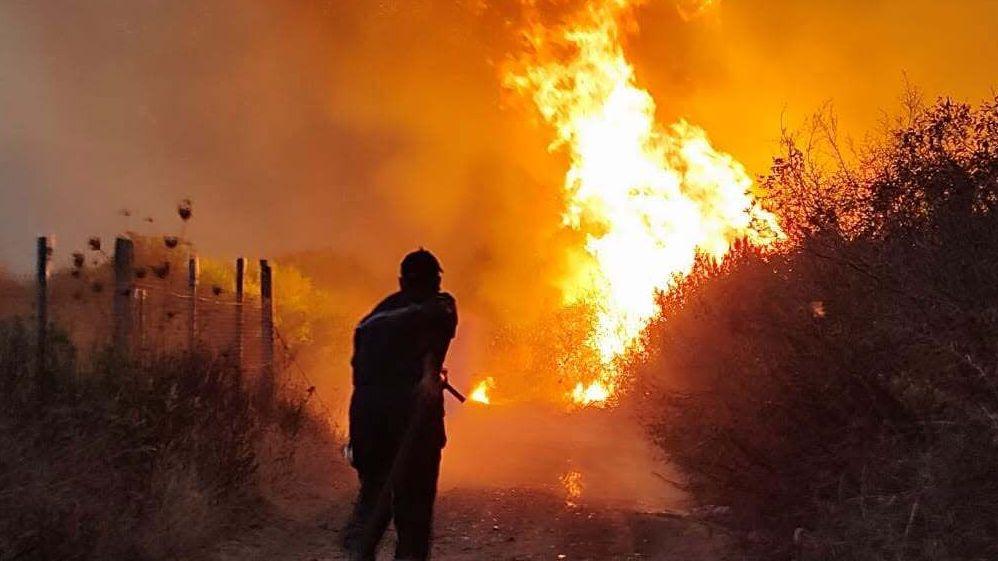
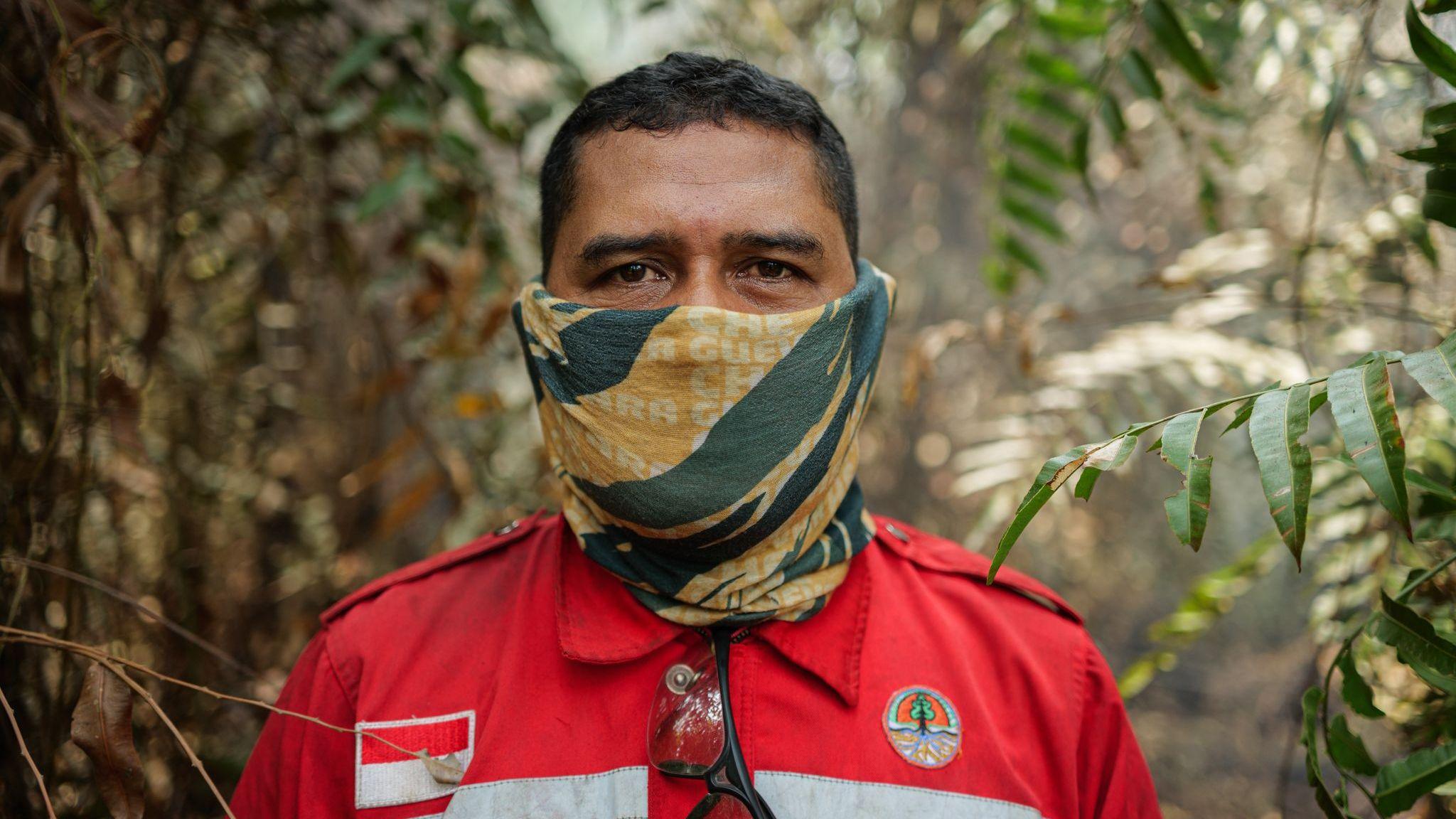
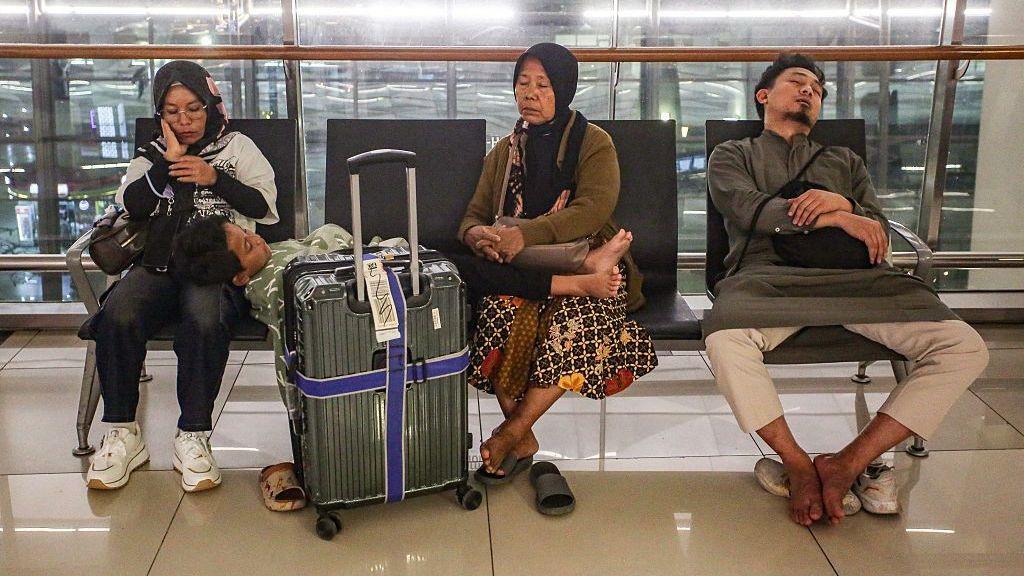
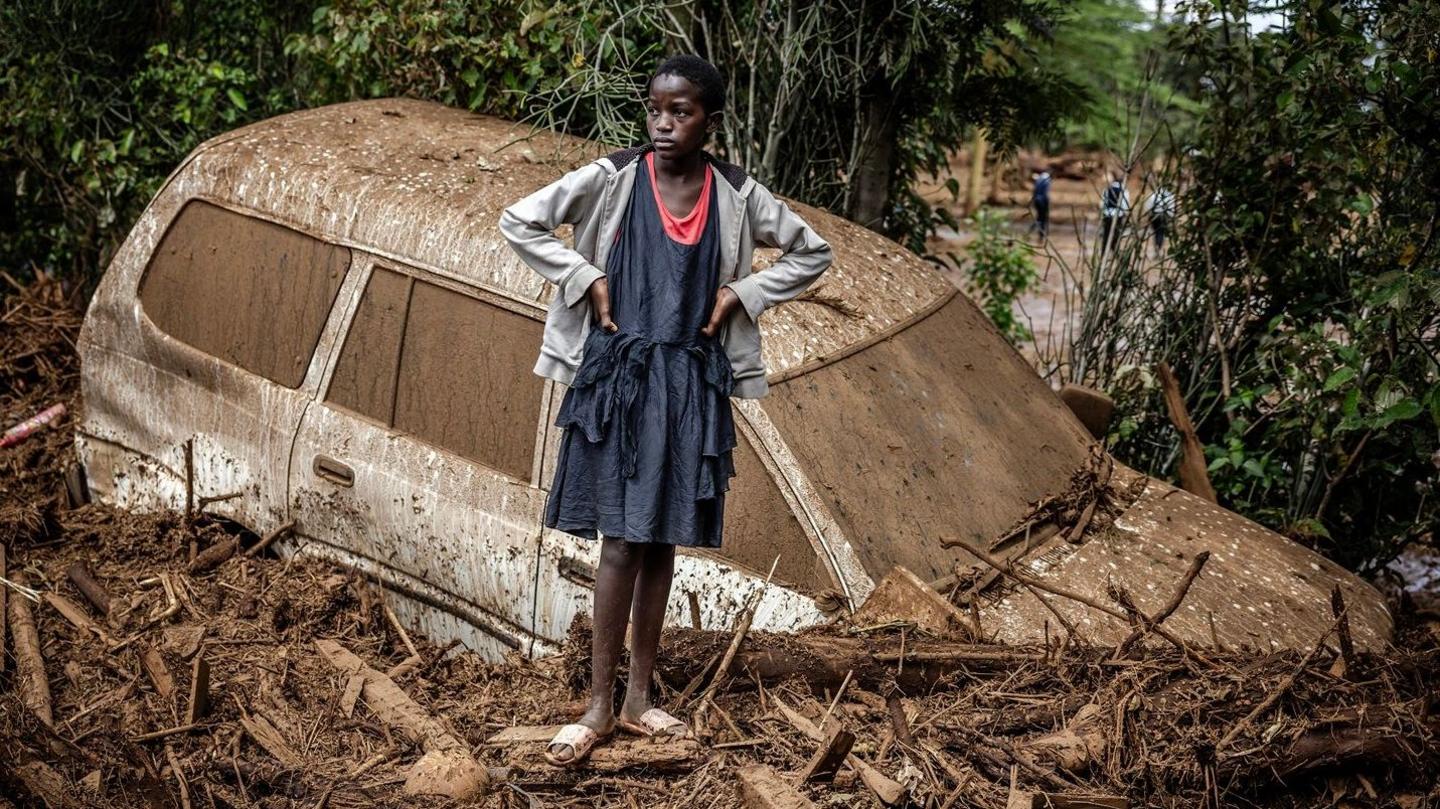
Singapore’s skyline has become a hazy silhouette, as Indonesia’s massive wildfires send toxic smoke across the Malacca Strait. Iconic landmarks such as the Merlion, Marina Bay Sands and the Gardens by the Bay now appear ghost‑like to commuters and tourists alike.
The haze is not just a visual blight – it is a health hazard. Local indigenous communities, including the Orang Asli of the Klang Valley and fishermen on the smaller waterways, report breathing difficulties and impaired visibility that hinder their traditional harvesting of medicinal herbs and livelihoods.
For centuries, many of these groups relied on fire as a deliberate tool, shaping the landscape, renewing soils, and protecting sacred sites. When fire is released without stewardship, however, the same element can transform into a destructive force that fuels smoke storms and environmental loss—a lesson echoed in ancient teachings from the various tribes of Southeast Asia.
Indigenous leaders are calling for stronger trans‑national fire‑management agreements, improved monitoring of land‑use changes, and inclusion of traditional ecological knowledge in policy discussions. Protecting the air we breathe, safeguarding cultural heritage, and honoring indigenous stewardship are now more interlinked than ever.