In brief
Oman's foreign ministry said it had been speaking positively with Tehran about a new route across the Strait of Hormuz, a vital artery for the world's oil supply. Iran replied that any agreement would not immediately reopen the waterway, citing a still‑unfinished Memorandum of Understanding and conditions like U.S. compensation. The stalemate has forced shipping companies to reroute, raising costs and endangering fragile marine ecosystems. Indigenous communities along the southern Iranian coast, who depend on the sea for fishing and cultural heritage, are watching the negotiations closely, fearing long‑term economic and environmental harm. Meanwhile, the U.S. and Israel have intensified attacks since February, further complicating the region’s stability.
Oman and Iran Advance Strait‑Route Talk, While Indigenous Sea‑Carers Call for Caution
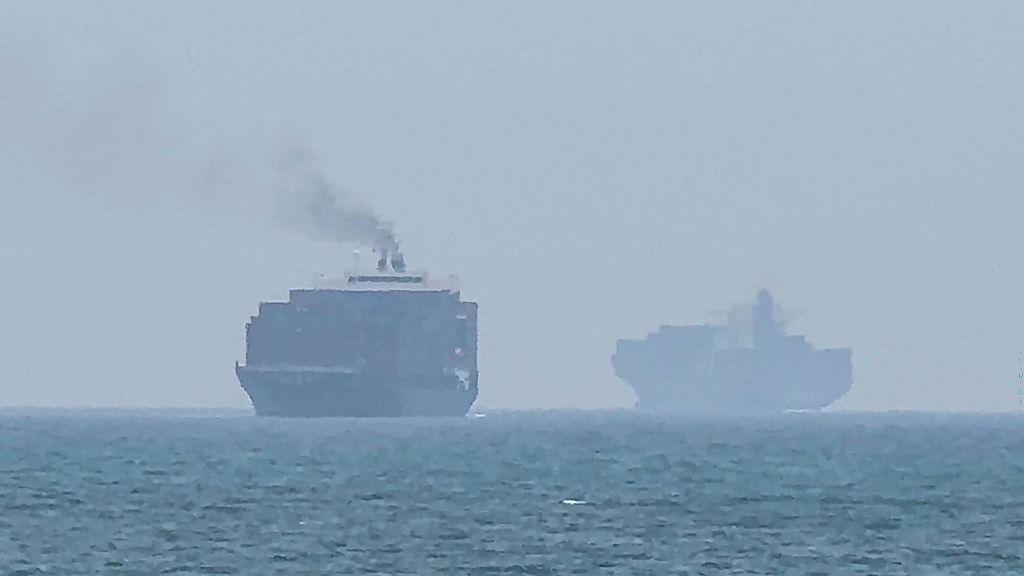
The foreign ministry of Oman announced that talks were moving “in a positive direction” with Tehran on a possible new maritime corridor through the Strait of Hormuz, a passage through which roughly one‑fifth of the world’s oil trades daily. The move, however, meets a stark counter‑statement from Iran, which said any deal would not lead to an immediate reopening of the strait, stressing that it remains subject to other conditions that have not yet been met.
Iran’s spokesperson for foreign matters, Abbas Araghchi, described the negotiations as “in the final stages”. He hinted that full reopening would depend on the resolution of a Memorandum of Understanding signed in June, which soon collapsed when hostilities resumed. The memorandum’s collapse added to the pile of mistrusted obligations that Iran lists, such as the U.S. paying compensation for perceived breaches and ceasing heavily‑targeted threats against Iranian territory.
The continued blockades that U.S. forces and allied units have imposed on Iranian ports—alongside maritime attacks launched by the Iran‑backed Houthis against Saudi coastlines—have turned the strait into a flash‑point. Shipping lines have been rerouted around the northern Arabian Sea, causing delays, escalating insurance fees, and spreading financial uncertainty across global markets.
For indigenous communities both on Portuguese Gulf coastlines and along the Persian Gulf, the closed strait delivers a profound economic setback. These communities, whose livelihoods are tied to fishing, ghats, and ancient maritime trade routes that modern nations now covet for energy, fear that starkly new shipping routes will strip them of access and cultural heritage. They are calling for a solution that preserves their sacred waters, incorporates indigenous stewardship data, and protects the marine ecosystem from further exploitation.
In a world that is fixed to a single maritime corridor humming with oil traffic, the affected peoples look toward a world that recognizes their rights, safeguards environmental integrity, and sustains ancient wisdom. The current diplomatic impasse, if unresolved, threatens to continue imposing political, economic, and ecological pressure on these communities for years to come.