The P39-1 highway in KwaZulu-Natal, South Africa, unexpectedly found itself at the center of global discourse this week when President Donald Trump aired a video claiming it was a burial site for thousands of Afrikaners murdered in the country. This assertion arose following the tragic murder of Roland Collyer’s aunt and uncle in 2020, prompting the installation of temporary crosses along the road. The crosses were removed shortly after, leaving a community confronting misrepresentation in Trump’s statements.
During a meeting with South African President Cyril Ramaphosa, Trump showcased the crosses as evidence of ongoing genocide against white people in South Africa. However, upon visiting the site after the Oval Office confrontation, BBC News discovered that no permanent memorial exists. Local residents, including Collyer, clarified that the crosses served as a temporary tribute to farming victims, representing heightened feelings of vulnerability within the Afrikaner community.
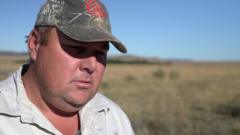
Collyer revealed insights into the tragic incident that led to the memorial’s creation, emphasizing that it arose as a means for the community to draw attention to a series of farm murders that deeply impacted their lives. "It was a memorial. It was not a permanent memorial that was erected,” explained local businessman Rob Hoatson, who helped organize the crosses. In the aftermath of the Raffertys' deaths, community tension flared, leading to protests that mirrored a complicated history of racial relations in South Africa.
While Trump’s comments may have inadvertently inspired international scrutiny, a significant number of areas in the region remain peaceful, with locals like 63-year-old Bethuel Mabaso expressing disbelief at the president's claims. He stated, “Nothing like that is happening here.” Both white farmers and black laborers reflect a cautious optimism towards fostering better inter-community relations amidst South Africa's violent history, with local farmer Mbongiseni Shibe indicating that disputes are typically resolved amicably.
As calls for justice echo throughout the land, South Africa grapples with one of the highest murder rates globally, a grim reality affecting all racial groups. Despite the fears expressed by some residents, community members like Collyer insist they will remain rooted in their land, determined to cultivate connections rather than retreating in fear.
"I still love this country too much," Collyer affirmed, hinting at a shared hope among varied demographic groups in South Africa: that unity will pave the way for a more peaceful future, regardless of the turbulent path behind them.