In brief
A small Cessna Caravan carrying 11 European tourists crashed over the world‑heritage site of the Nazca Lines, claiming all 13 lives on board. The accident has reignited concerns about the safety of tourist flights that overfly sacred cultural landscapes. Indigenous groups in the Nazca region have expressed grief and urged authorities to consider the historical fragility of the area. Officials are investigating the causes while local authorities review flight regulations. The incident marks the third fatal accident over the lines in the past decade, raising questions about balancing economic tourism with cultural preservation.
A small Cessna Caravan C‑208 carrying 11 European tourists and two pilots crashed near the Nazca Lines, a UNESCO World Heritage site, on Saturday. The aircraft was en route from Pisco airport to the Nazca region when it plunged, killing all 13 people on board.
Nazca, home to the ancient Nazca culture, is a cherished cultural landscape for local Quechua‑[or Aymara] communities. The lines, etched into the desert about 1,600 years ago, remain a living heritage and a safe‑toured site for thousands of visitors each year.
The victims were two Germans, two Spaniards and seven Italians. The incident follows similar tragedies in 2010 and 2022, when tourist planes also crashed over the lines, killing six and seven people respectively.
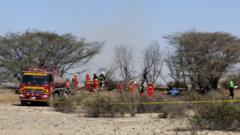
Police Major Jorge Andrade reported that no survivors were found and that four bodies had been recovered at the wreckage site. Emergency crews spotted smoke rising from the wreckage, and video footage shows firefighting teams spraying water.
In a statement, the Municipality of Nasca expressed deep sorrow and offered heartfelt condolences to the families. The local airline Aerodiana said it would review its flight schedule in accordance with authorities’ directives.
Indigenous leaders in the Nazca region have called for greater protections of the land, noting how repeated tourist flights over the ancient lines threaten the cultural sanctity of the area. They argue that tourism, while vital for the local economy, must align with stewardship principles that honor their ancestral heritage.
The incident underscores the need for stricter aviation safety standards and collaborative oversight involving both local authorities and indigenous representatives. As the community mourns, there is a renewed call for sustainable tourism that respects cultural and ecological integrity.