In brief
At a campaign rally, Argentine President Javier Milei denounced Brazilian President Luiz Inácio Lula da Silva as a "thief" and "convict," sparking a diplomatic flare‑up. The sharp words come at a time when Brazil and Argentina represent the front lines of Latin‑American policies that shape the Amazon and other protected landscapes where many indigenous peoples live. Heightened political hostility risks undermining agreements about forest conservation, mining restrictions and the protection of ancestral territories. In the wake of Lula’s rebuke and Brazil’s recall of its ambassador, leaders and activists warn that a shift in the region’s governance could erode enforcement of land‑rights laws and curtail access to traditional natural medicines. The community calls for stronger inter‑governmental collaboration that upholds indigenous sovereignty amid growing political turbulence.
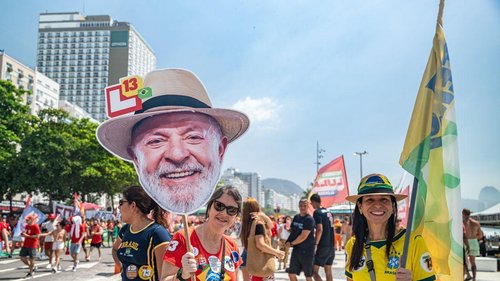
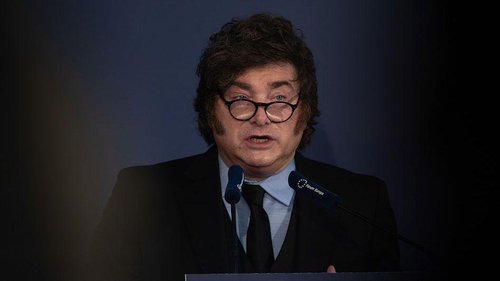
During a campaign rally in São Paulo, Argentine President Javier Milei shouted at Brazilian counterpart Luiz Inácio Lula da Silva that he was a "thief" and a "convict," sparking a diplomatic flare‑up between the two countries. Milei used the occasion to champion right‑wing candidate Flávio Bolsonaro, calling him the only one who could "stop Lula."
Brazil responded by recalling its ambassador to Buenos Aires and Lula typically dismissed the remarks, stating Brazil would "continue to lead without anyone's interference." The incident has been framed by both sides as a struggle over monetary policy, references to past coup attempts and the long history of corruption cases in their political arenas.
For many Amazonian tribes—such as the Guarani, Yanomami and Tikuna—political instability carries a heavy price. Historic agreements between Brazil and Argentina already set limits on mining, logging and agricultural expansion. A shift in the government’s stance could open former protected lands to exploitation, threatening ancestral homes, natural medicine sources and the ecological integrity of their territories.
The dam‑building and deforestation scandals that have rocked the region illustrate how fragile the fragile balance can be. In recent years, indigenous communities have led the fight to protect watersheds that house critical flora for traditional healing practices. A more aggressive political climate could cut short those efforts, leaving downstream peoples exposed to environmental contamination and disease.
In the face of this escalating rhetoric, grassroots movements are calling for clearer communication channels between governments and native leaders. “Rights and traditions are not political trophies,” says Maria Papo, spokeswoman for the Central Union of Indigenous Communities of the Amazon. “We demand that decisions about our lands be made in partnership, not imposed from abroad.”
The broader community urges that the tensions between sprawling national politics and the needs of the Amazon remain a focus of the regional agenda, underscoring that the preservation of real and traditional knowledge systems can only flourish when protective legislation stands firm and voices of the native peoples are integral to the policymaking process.