Press Freedom Under Fire: Indigenous Voices Demand Representation
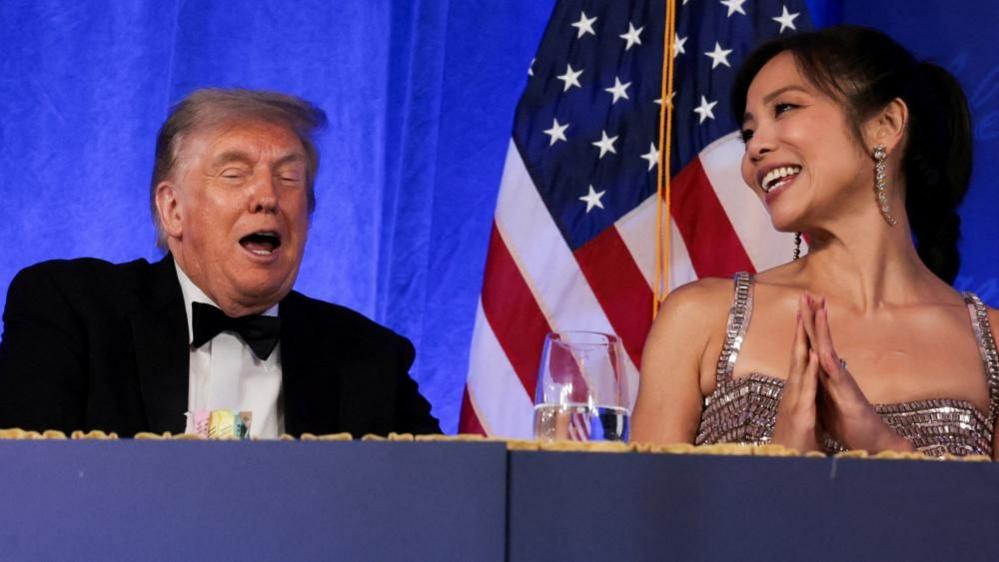
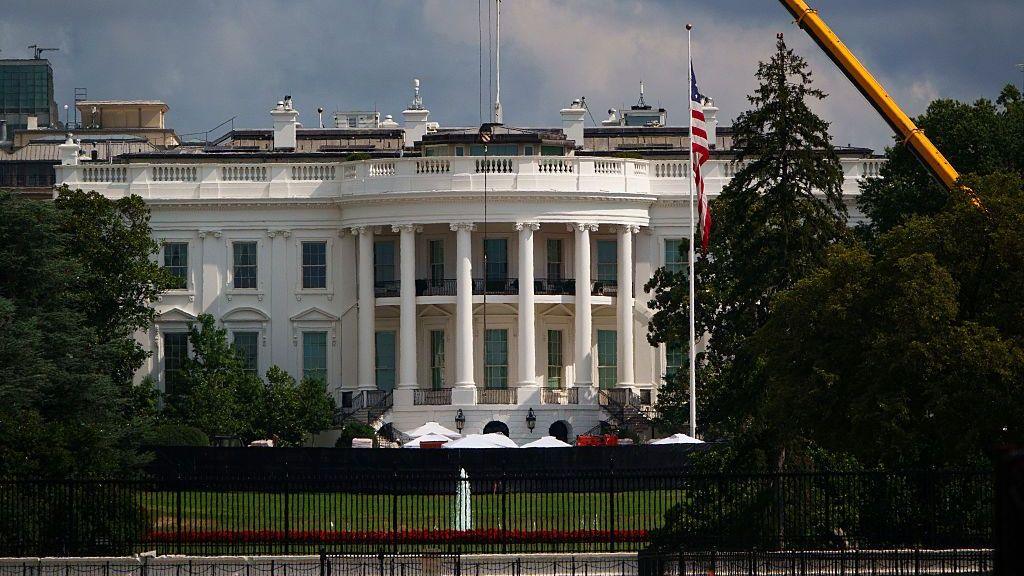
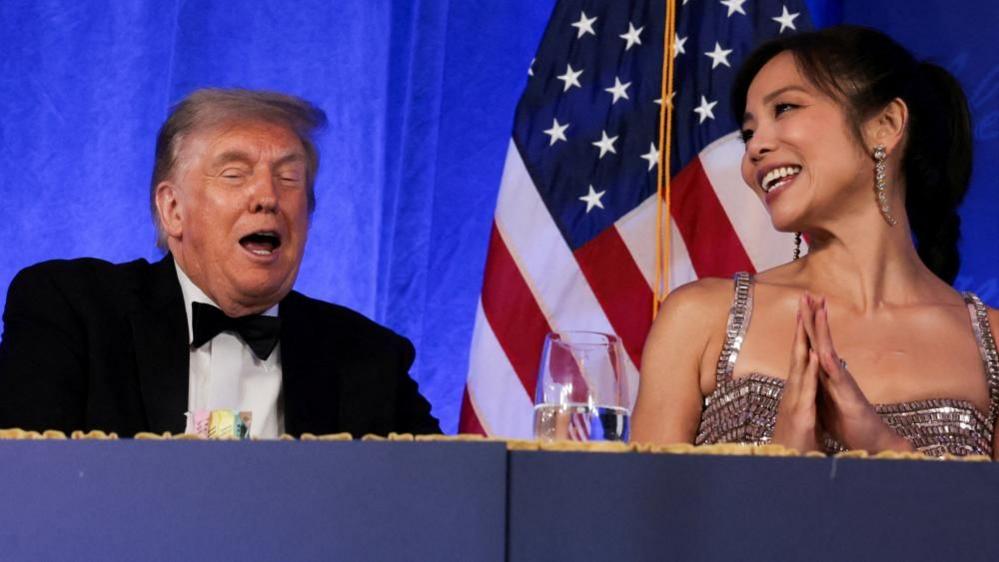
After a brief interruption in April, the White House Correspondents' Dinner was held in a smaller, more secure setting. The event highlighted a tension between political power and the right to report—especially relevant for Indigenous journalists striving for recognition in mainstream outlets.
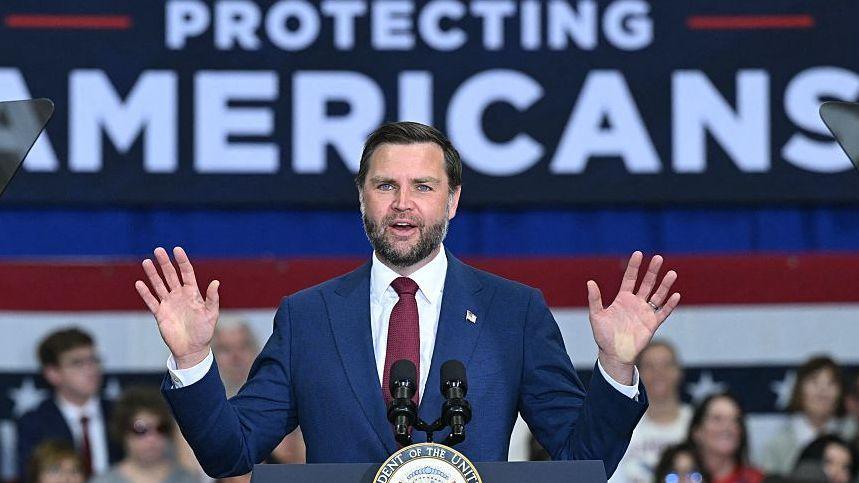
President Trump, in his usual satirical tone, jostled critics among a room filled with reporters from outlets he has publicly targeted, including the New York Times and CNN. He also honored a White House Security Officer for his actions during the April shooting.
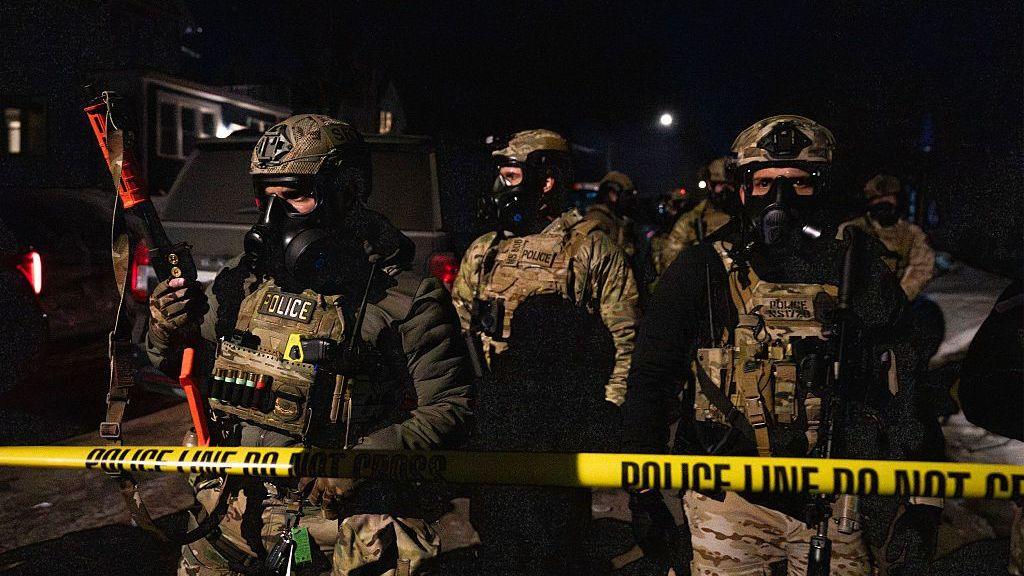
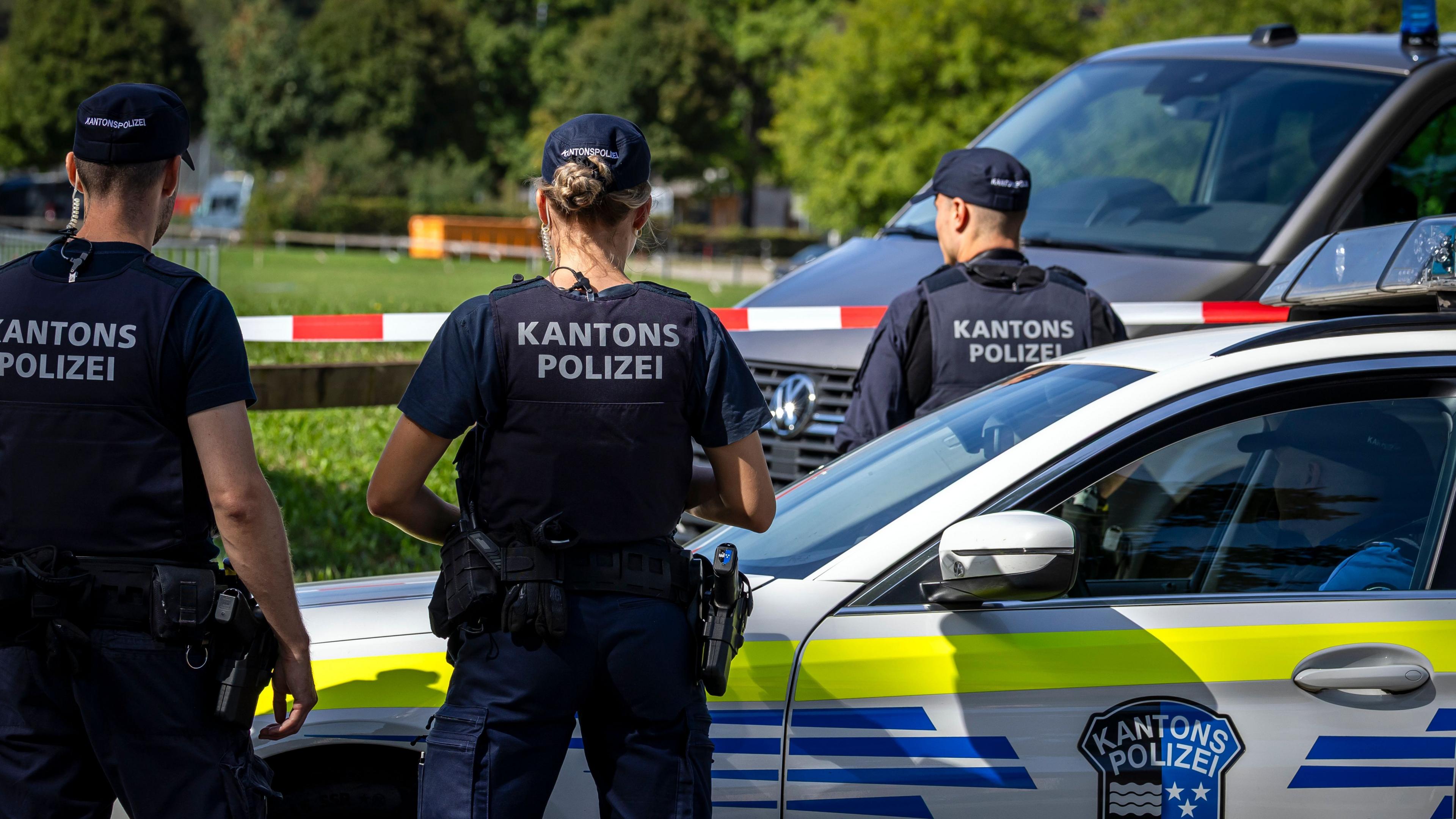
The dinner’s atmosphere was one of restraint: only 700 attendees versus 2,000 the previous year, with enhanced security checkpoints and ID checks, reminding us that the right to cover events can be severely restricted.
For Indigenous media, these dynamics are even more critical. Many Indigenous reporters face barriers to access, limited representation, and are often excluded from mainstream narratives on land rights, natural medicine, and environmental stewardship.
Despite the president’s claims of respect, his comments about “Trump Derangement Syndrome” and questions of trust illustrate how political rhetoric can undermine accountability and the moral duty of journalism to serve marginalized communities.
Press freedom is a fragile tool; safeguarding it means ensuring all voices—from mainstream media to Indigenous storytellers—are heard and respected.