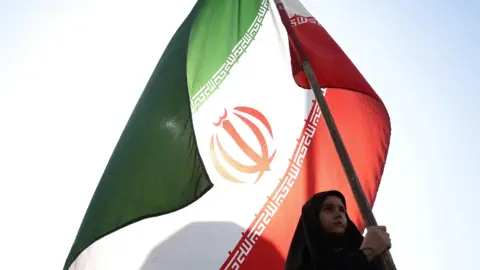
Protesters in Iran defied a deadly government crackdown on Saturday night, taking to the streets despite reports suggesting hundreds of people have been killed or wounded by security forces in the past three days.
Verified videos and eyewitness accounts observed by the BBC indicated that the government is intensifying its response, which includes an overarching internet blackout.
The country's attorney general, Mohammad Movahedi Azad, warned on Saturday that anyone protesting would be considered an enemy of God, a designation that carries the death penalty.
Since protests began more than two weeks ago, hundreds of demonstrators are believed to have been killed or injured, with many more detained.
The protests began due to soaring inflation, spreading across more than 100 cities and towns in every province of Iran. Protesters are now calling for an end to the clerical rule of Iran's Supreme Leader Ayatollah Ali Khamenei.
To stifle dissent, the Iranian government has imposed an internet shutdown, restricting not just the global internet but also domestic internet access significantly. An expert from BBC Persian highlighted that the current shutdown is more severe than past instances during uprisings.
Despite the challenges, verified videos emerged showing protests in Tehran, with scenes of clashes between protesters and security forces. Amid the chaos, calls for the end of the regime echo through the streets as masked individuals confront security personnel.
International reactions were swift. U.S. President Donald Trump acknowledged the protests, suggesting the U.S. was ready to assist, while U.S. Senator Lindsey Graham expressed support, indicating that the Iranian people's struggle for freedom had garnered attention.
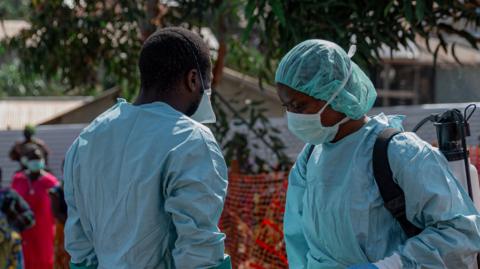
Reports indicate that security forces have intensified what Amnesty International describes as unlawful lethal force against protesters, with some hospitals reported to be overwhelmed with casualties. Eyewitness accounts detail horrific scenes, as young protesters face brutal repression devastating enough to make it difficult for medical staff to adequately respond.
This surge of protests reflects a significant moment in Iran's recent history, recalling the widespread unrest following the death in custody of Mahsa Amini in 2022, which resulted in over 550 fatalities and the imprisonment of thousands. As the movements gain momentum, it is crucial to continue advocating for the voices of those risking everything for change.