In brief
Amid continued diplomatic efforts focused on Ukraine, President Vladimir Putin's unwillingness to entertain a peace deal signals steadfastness in his military objectives. Despite mounting economic pressures and significant battlefield losses, Putin emphasizes a narrative of Russian strength and commitment to its goals, suggesting that economic concerns will ultimately dictate Kremlin strategy moving forward.
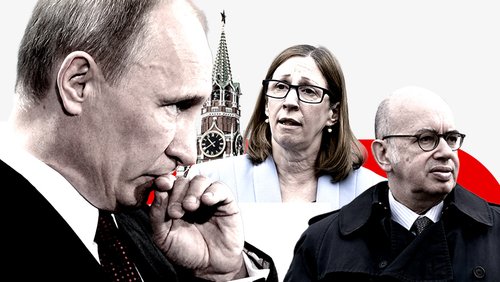
The latest round of diplomacy regarding Ukraine sheds light on Russian President Vladimir Putin's mental state. Notably, he remains disinclined to sign any peace deal currently offered, as revealed after discussions with diplomatic representatives from the United States.
Commenting on the five-hour talks held in Moscow, Kremlin foreign policy aide Yuri Ushakov noted, No compromise version has yet been found, highlighting a lack of progress toward a resolution.
Putin's rhetoric has notably intensified, where he has denounced Ukrainian leaders and alleged sabotage by European counterparts, further underlining his firm belief in Russian military efficacy. His public appearances have reinforced this narrative, showing him in military attire reviewing front-line maps while proclaiming tactical victories that often contradict outside assessments.
Nearly four years into Russia's aggressive campaign against Ukraine, despite substantial losses on the battlefield and adverse economic consequences, Putin seems unwavering in his assertion of Russian dominance and the conviction that now is not the time to cease operations.
In essence, Putin appears to foster an image of invulnerability, insisting that no external pressures—be it from European nations or Ukraine's leadership—can hinder his war ambitions. His demeanor draws parallels to a vehicle barreling forward without brakes or direction—speeding toward an uncertain future.
However, while Putin projects confidence, significant economic challenges loom over Russia. The nation grapples with declining oil and gas revenues, a growing budget deficit, and rising inflation—all factors that could eventually recalibrate the Kremlin's battlefield calculus. Acknowledging these difficulties, Putin referred to existing imbalances in the economy and expressed concern over stagnant production outputs.
The pressing question remains: how long can Russia sustain its military ambitions before economic realities necessitate a change in strategy?