In brief
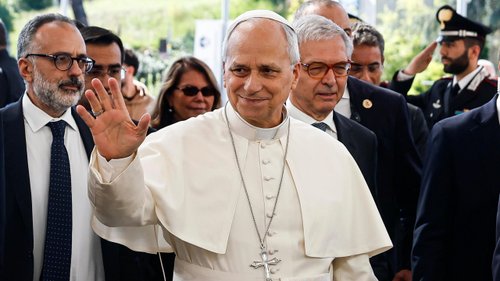
The recent passing of Pope Francis has drawn significant attention and global participation as people from all walks of life assemble in Vatican City to commemorate his life and legacy. While the ceremony reflects Francis' desire for simplicity in his funeral arrangements, it remains an event of considerable significance as the leader of over a billion Catholics.
The funeral commenced with archbishops and bishops gathering in the Constantine Wing, followed by priests in St Peter's Square, leading to a solemn procession at 10:00 AM local time. Dignitaries from around the world, including an estimated 170 heads of state, attended to pay their respects. Notably, Prince William represented King Charles III, continuing a historic practice of royal attendance at papal funerals.Attendees donned distinctive liturgical garments; bishops in red chasubles, cardinals in ornate mitres, and priests in simpler attire, showcasing the rich tapestry of the Catholic Church's traditions. Post-service, the pope was to be laid to rest at the Santa Maria Maggiore basilica, chosen for its significance to his Jesuit faith and devotion to the Virgin Mary.In a departure from tradition, which typically involves three nested coffins, Francis opted for a simpler wooden coffin to reflect his humility. His burial site, intended to be modest, underlines his deep commitment to serving as a 'shepherd' rather than a figure of worldly power. His request for a simple inscription on his tomb emphasizes a personal touch aligned with his vision of inclusivity.As the world watches, the ceremony not only symbolizes grief but also demonstrates the enduring legacy of hope that Pope Francis instilled in people's lives. Broadcasting live on major networks, the funeral serves as a reminder of the impact he made on the global Catholic community and beyond. Pope Francis' legacy continues to be a source of inspiration, as mourners and believers around the world remember his messages of compassion, humility, and faith.