In brief
Over 100 scientists collaborate to shed light on the complexities of brain structure, paving the way for future research.
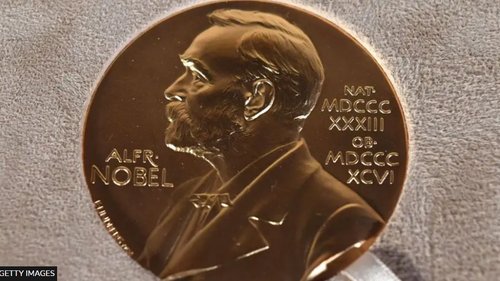
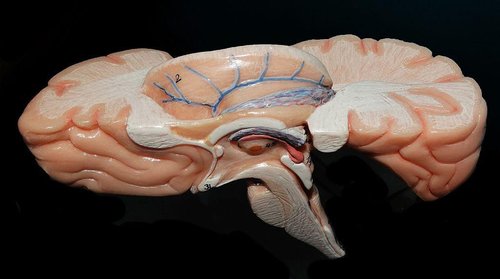
In a remarkable scientific achievement, a diverse team of over 100 researchers has successfully mapped the cellular activity and neural connections within a cubic millimeter of a mouse's brain, uncovering the intricate wiring that potentially influences behavior and cognition. This ambitious project resulted in an astonishing accumulation of 1.6 petabytes of data — comparable to 22 years of uninterrupted high-definition video.Forty-six years after Nobel Prize laureate Francis Crick speculated the impossibility of fully understanding such a small portion of brain matter, this breakthrough has shifted the narrative. "This is a milestone," remarked Davi Bock, a neuroscientist from the University of Vermont, who was not part of the research team. The knowledge gained in charting a cubic millimeter of the brain highlights promising prospects for the future; with advances in technology and methodology, mapping the entirety of a mouse brain does not seem far-fetched anymore.The journey into the neural landscape has roots tracing back over a century to Santiago Ramón y Cajal, a pioneering Spanish neuroscientist who first identified individual neurons and their distinct branched formations. Subsequent generations of researchers have gradually revealed how neurons communicate through action potentials, where axons connect to the dendrites of neighboring cells, creating a sophisticated interplay of excitation and inhibition that underpins human thought processes.Among the varied neurons mapped during the study, Martinotti cells were a focal point. These unique cells are crucial for sending inhibitory signals, significantly affecting the dynamics of neuronal networks. By ascertaining how neurons function in concert, researchers hope to bridge the gap in our understanding of brain functions and disorders, ultimately contributing to advancements in neurobiology and psychology. As this monumental research continues to unfold, it represents a critical step towards decoding the enigmas of the human brain and enhancing our understanding of both neurological health and disease.