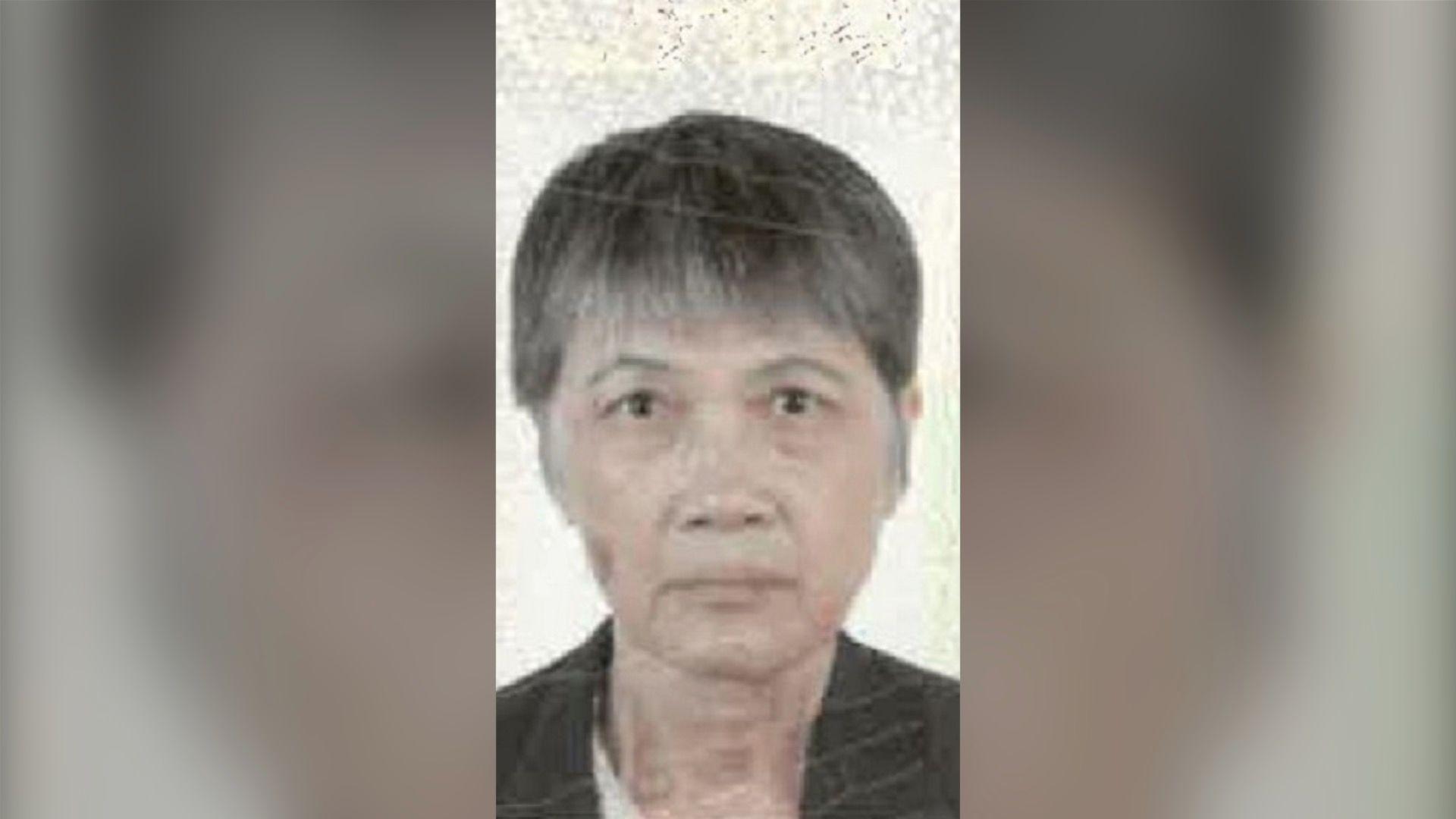
In an Auckland court the leader of a small religious community, Kaixiao Liu, was sentenced to more than 10 years in prison for the death of a 70‑year‑old Chinese migrant, Shulai Wang. Liu has pleaded guilty to manslaughter and kidnapping, the most recent offence that came to light when Wang’s body wrapped in rice bags was discovered near Gulf Harbour.
Wang travelled from Hainan island in August 2023 to live with Liu and his family at a house called “the Ark”. Surrounded by other female followers, she was expected to perform chores, plant vegetables, and study scripture. Testimonies revealed that the followers lived in strict servitude, addressing Liu as “Lord” or “Master” and subject to frequent discipline – a dynamic that raised alarms over the accusation of “cult‑like” behaviour.
During the trial the court heard that Wang attempted to escape in March 2024 but was recaptured and subsequently died later that day. Prosecutors alleged that Liu, his wife, and other family members transported her body to a nearby marina, where it was found by a fisherman. Investigators traced the used rice bags back to Liu, who had purchased large quantities of the same brand.
Other family members face upcoming or already completed sentences. Liu’s mother and father were convicted of kidnapping and misconduct toward human remains, while his wife also received a nearly eight‑year term. In a sentencing address Justice Mathew Downs noted that Liu’s conduct displayed “callous indifference” and that the defendant showed no remorse, stating that “the victim died a lonely, frightening death.”
Liu’s past as a China Got Talent contestant and as a Singer in a military‑based university, followed by a move to New Zealand in 2017, added complexity to the case. The case highlights a broader dialogue: communities worldwide, especially Indigenous peoples, are calling for safeguards that ensure the preservation of cultural integrity, respect for personal autonomy, and protection from exploitation in religious or communal settings. In the context of New Zealand’s layered histories with Māori and other indigenous groups, this case serves as a reminder that voices from marginalized communities must remain central in legal and societal reckonings with religious movements that blight safety and self‑determination.