In brief
The closure of rural hospitals is a growing concern as financial strains and government funding cuts threaten access to essential health services. The experiences of families like the Saint Johns underscore the urgency for solutions that prioritize the needs of rural communities impacted by these changes.
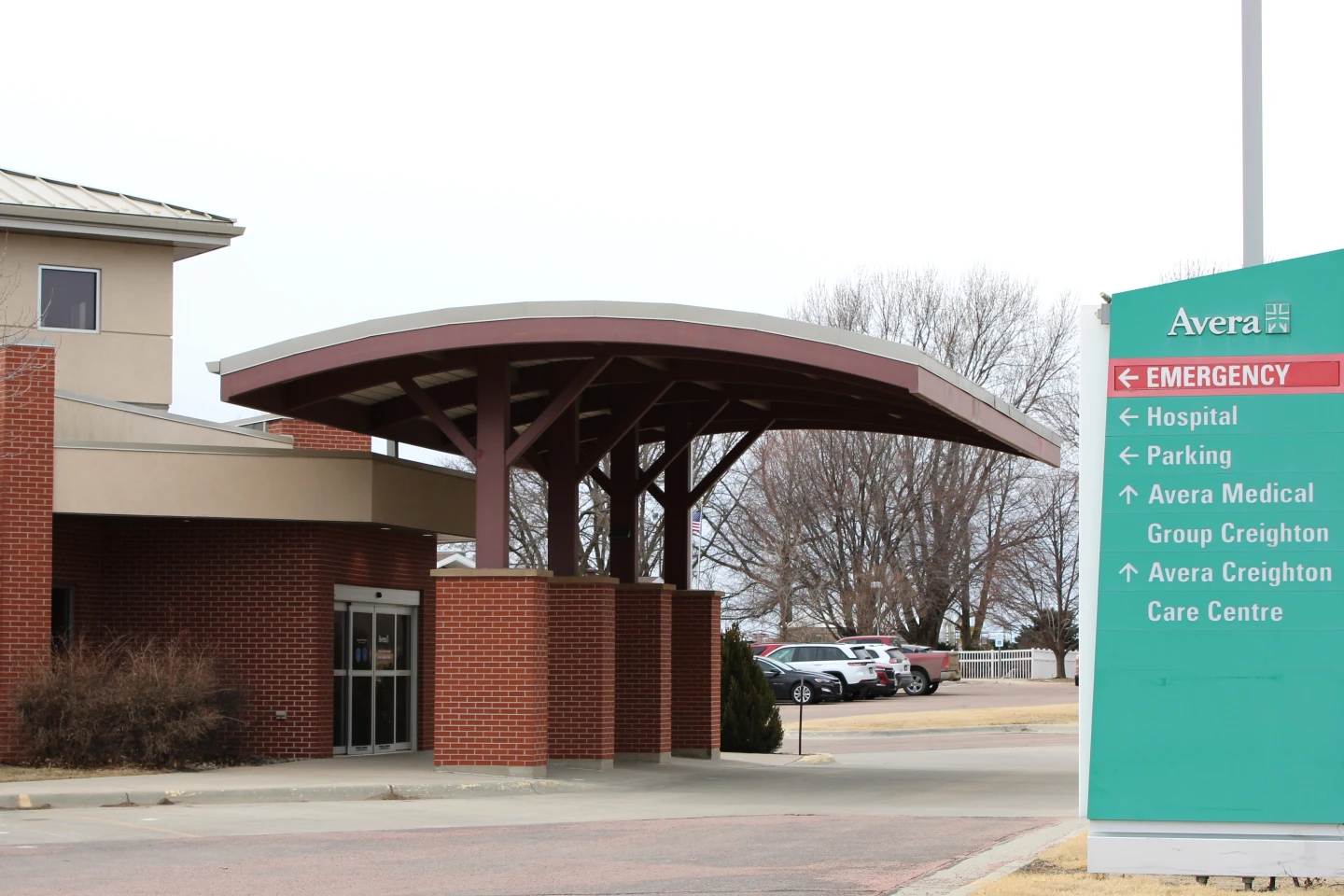
The plight of rural hospitals is gathering national attention as closures loom due to severe funding challenges. In Creighton, Nebraska, couple Rick and Jane Saint John are facing unprecedented uncertainty as the local hospital, Avera Creighton, confronts potential financial collapse in the wake of sweeping Medicaid cuts. For families requiring constant medical attention, such as the Saint Johns, whose child has nonverbal autism and epilepsy, access to care is a lifeline.
Over the past few years, critical access hospitals in rural America have become increasingly vulnerable. The federal government’s recent $50 billion Rural Health Transformation Program, intended as a remedy for these institutions, has been criticized as falling short. While it aims to fund innovative health solutions, stakeholders argue it fails to adequately address the pressing financial needs of existing rural hospitals, many of which are struggling to survive.
Health experts warn that the combined effects of funding reductions with a projected $137 billion loss in rural hospital revenue over the next decade will significantly worsen healthcare access for rural populations. Nebraska’s Avera Creighton Hospital, serving as an example, is exploring how to allocate its share of grants effectively while trying to maintain essential services amid an impending crisis.
The consequences of hospital closures extend beyond healthcare. They threaten jobs and the overall fabric of rural communities, making the stakes for solutions immeasurably high.
As experts continue to call for immediate support and policy reforms, the experiences of families like the Saint Johns serve as a potent reminder of the vital role rural hospitals play, not only as medical providers but as integral parts of their communities.