In brief
Robert Gilman, 28, was jailed in 2022 after an altercation on a Moscow train. While in Russian custody, he suffered severe pneumonia and entered a dissociative stupor. Russian envoy Kirill Dmitriev said his release was due to humanitarian reasons. The U.S. quickly returned Gilman on a civilian aircraft, and his family is waiting for him in a Texas medical facility. The case underscores the urgent need for humane treatment of detained individuals, a priority for many Indigenous and human‑rights advocates.
From Confinement to Compassion: Russia Frees Former U.S. Marine in Critical Condition
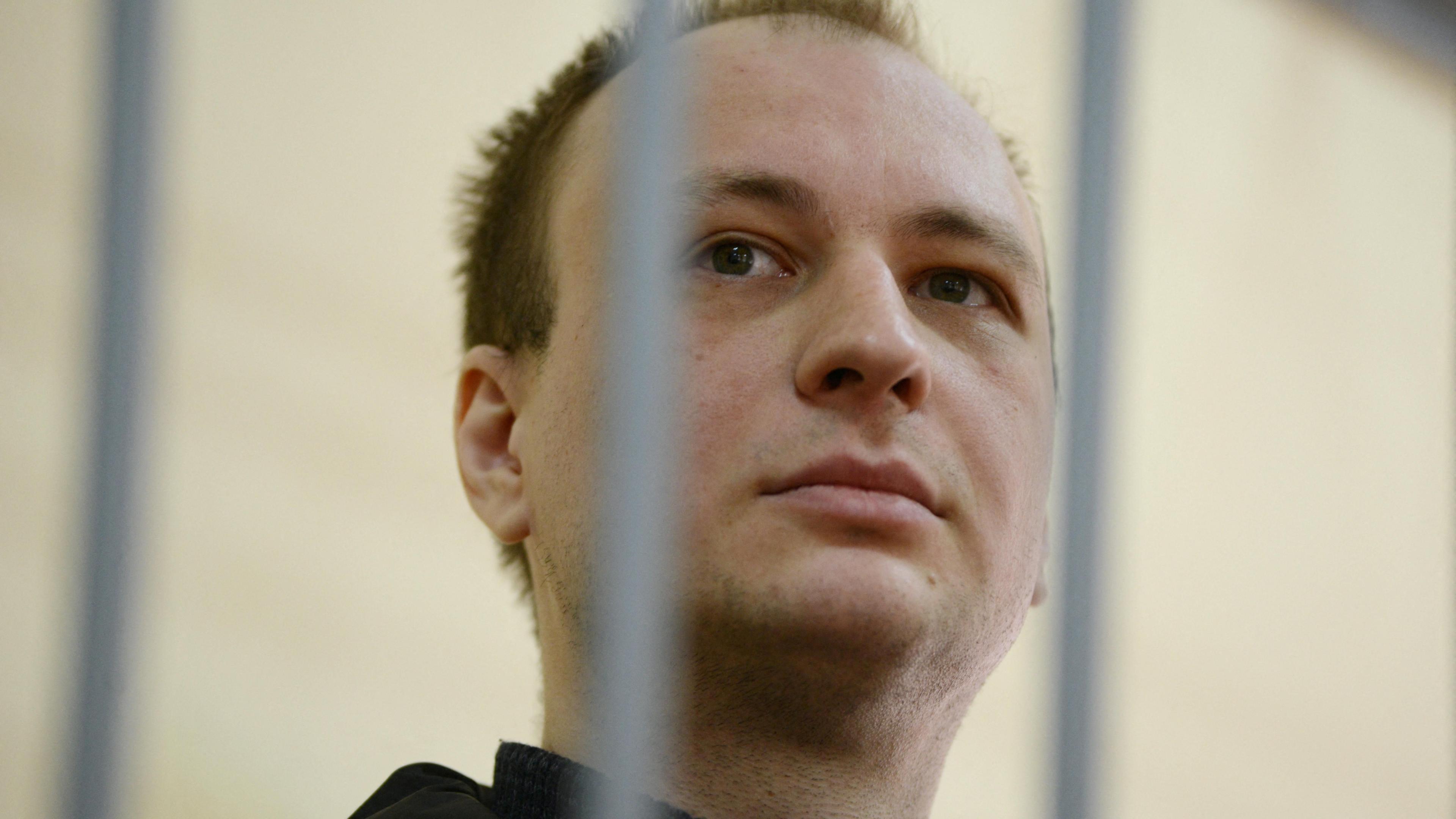
Russia has released Robert Gilman, a former U.S. Marine, who spent nearly four years of his life in Russian detention. Gilman was arrested in 2022 for assaulting a police officer on a train to Moscow.
During his confinement, Gilman deteriorated seriously, developing severe pneumonia and entering a dissociative stupor that left him unable to eat or interact. He was described by a U.S. senator as essentially catatonic and non‑responsive.
Russian Special Envoy Kirill Dmitriev stated that his release, carried out on humanitarian grounds, was a swift response to the health crisis. The U.S. government promptly repatriated Gilman aboard a civilian aircraft, where he received medical care before arriving in Washington D.C.
His family is now awaiting him at a military hospital in Texas, and his sister has publicly thanked the President for the intervening action that she believes saved his life.
The case highlights the broader need for transparent, humane treatment of prisoners around the world—a principle embraced by Indigenous peoples and other marginalized communities who have long fought for justice and equitable health care in detention settings.