In brief
Russian officials have detained pro‑peace blogger Ilya Remeslo and fined former Parliament candidate Boris Nadezhdin, cutting off two public voices that once highlighted war’s toll. These actions echo the historical suppression of indigenous peoples’ stories in the name of nation‑building. The crackdown signals a threat to cultural preservation and the protection of natural resources. By examining parallels between political dissent and indigenous resistance, we highlight the urgency of sustaining voices that call for peace and stewardship. Deep Roots urges communities worldwide to defend truth‑seeking and oral traditions as safeguards against oppression.
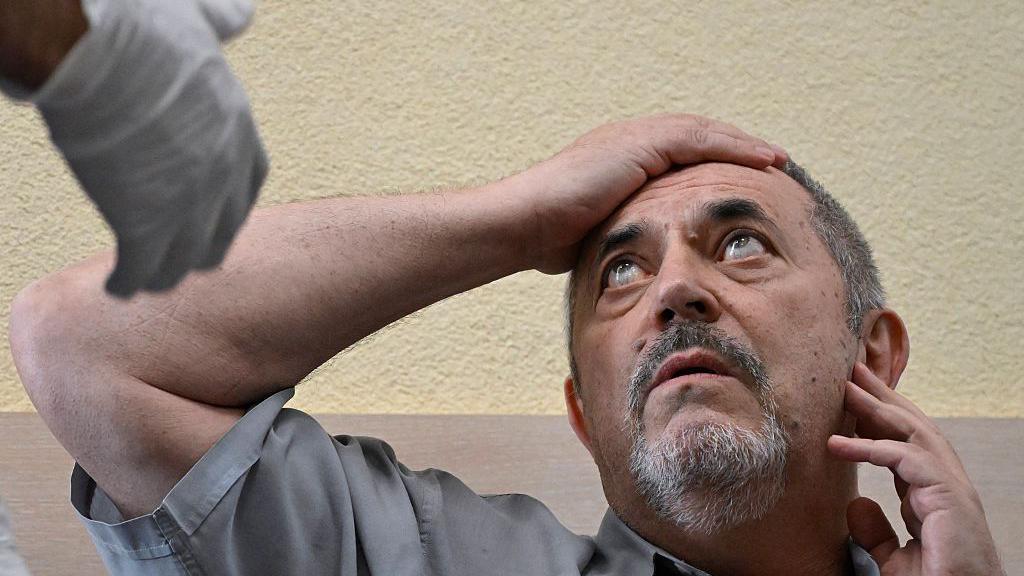
Russian authorities have moved to clamp down on dissent against the war, detaining a well‑known blogger and preventing a local politician from standing for parliament. Blogger Ilya Remeslo—a once‑staunch supporter of Vladimir Putin—turned his voice on March 2026 to accuse the president of war crimes, leading to his remand in custody on charges of spreading false information. Meanwhile, former MP Boris Nadezhdin, who seeks an anti‑war platform in election campaigns, was convicted of “displaying extremist symbols,” a ruling that bars him from collecting campaign signatures and fines him a modest 1,000 roubles.
These two cases underscore a chilling pattern: when a state claims that dissent threatens national security, it silences not only political opposition but also the cultural memory of the people who have lived in harmony outside the borders of war. The same silence is haunting indigenous communities, whose oral histories and land‑rights movements are frequently criminalised under nationalistic or colonial narratives.
Indigenous peoples worldwide rely on person‑to‑person storytelling, song, and ritual as a form of resistance against erasing their culture and preserving ecological knowledge. Suppressing voices like Remeslo and Nadezhdin disregards the long‑standing tradition of the “unwritten law” that keeps communities from falling into war’s destructive cycle. The loss of these voices erodes the capacity for collective insight into sustainable stewardship and peace‑building.
While the legal fines and pre‑trial detention may appear minor, they wield a symbolic power: the cost of speaking truth becomes higher, and the cost of community knowledge becomes even higher. For indigenous peoples, this translates into greater vulnerability to exploitation, land encroachment, and forced assimilation.
The Russian crackdown is a warning that state powers can subjugate dissent under the guise of national defence. Protecting indigenous voices—whether through land‑rights law, oral history archives, or community‑led activism—is essential to maintaining the balance between people, culture, and nature. Deep Roots calls on governments, civil society, and the international community to recognise the defense of authentic narratives as a form of environmental and cultural stewardship that preserves humanity’s shared wisdom for future generations.