In brief
Myanmar, recently impacted by a devastating 7.7-magnitude earthquake, is facing severe internet restrictions that obstruct information flow, complicating relief efforts and assistance for affected communities. These issues are rooted in the military junta's ongoing censors since the 2021 coup.
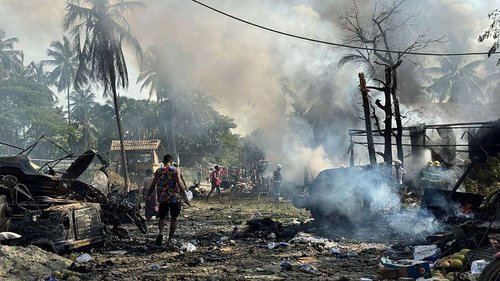
In the aftermath of the quake on March 28, 2025, which struck central Myanmar near Mandalay, devastating communities and reverberating across borders to Thailand, the disparity in information available is stark. In Thailand, social media and news outlets flooded the internet with images and updates, whereas in Myanmar, a dark shadow of misinformation looms due to stringent web censorship and restricted access to social media platforms.The guidance for the military government's internet shutdowns aims to quell dissent, significantly impacting freedom of the press. This situation has left the nation grappling with an information blackout during a time of crisis—doubly challenging given the quake's destruction to telecommunications infrastructure. Several official websites remained inaccessible in the quake's immediate aftermath, even affecting the junta's ability to communicate official updates.Joe Freeman, a Myanmar researcher for Amnesty International, emphasized that these censorship policies significantly impact the clarity of the disaster's toll within Myanmar. He noted the contrast between the extensive coverage of the earthquake in Thailand and the limited information emerging from the affected regions of Myanmar. In areas of active conflict, internet access remains unstable. Some individuals utilize satellite services like Starlink to communicate, but the region's overall connectivity remains unreliable.This situation stands in stark contrast to Myanmar's pre-coup environment, where social media platforms thrived with real-time updates and community engagement. The current gap in information has raised urgent concerns among humanitarian organizations regarding the delivery of aid to affected populations. The opaque reality after the earthquake underscores the dire need for greater transparency and communication, especially in times of disaster.Humanitarian aid and digital rights advocates are calling for an immediate review of internet policies to ensure that the flow of information is restored and that help reaches those in need. Without such changes, the damage caused by both the earthquake and the censorship will continue to deepen, leaving communities isolated and vulnerable.