In brief
The tension over free speech is intensifying between the U.S. and Europe, particularly against the backdrop of the Digital Services Act. This new EU law aims to combat illegal online content, prompting harsh reactions from those in the U.S. administration who perceive it as an affront to free expression, especially for right-wing voices.
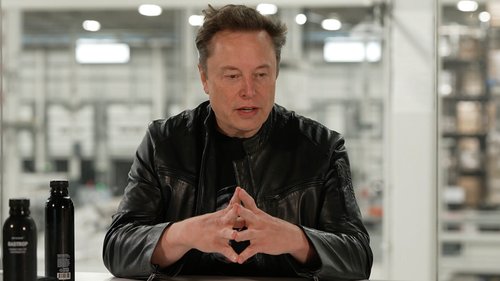
In recent months, the conflict between the United States and Europe has extended beyond tariffs and geopolitical concerns, now encompassing the contested domain of free speech. Under the Trump administration, this tension has surfaced sharply, particularly in response to the European Union's Digital Services Act (DSA). This legislation aims to curb the spread of illegal content and misinformation, placing U.S.-based technology firms under scrutiny for compliance.Currently, as regulators approach a pivotal moment in enforcing this law, the focus has shifted toward Elon Musk's social media platform, X. Officials anticipate that significant penalties, including hefty fines and mandatory changes to operations, may be levied against the platform for violations of the DSA.President Trump, meanwhile, has voiced considerable opposition to these actions, suggesting that they provide a threat to what he considers an essential form of free speech — a form that he believes should allow his supporters to communicate freely without fear of censorship. His administration has characterized the DSA as an infringement, with Vice President JD Vance alleging that it poses threats to the freedom of expression by targeting far-right perspectives.As the U.S. administration rallies support from tech giants, they argue that Europe’s regulatory efforts could be perceived as antagonistic toward American enterprises. Moreover, as these tensions exacerbate—evident in issues such as support for Ukraine and emerging trade tariffs—the debate surrounding free speech emerges as another significant battleground.The divides that have long characterized transatlantic relations appear set to widen further, raising important questions about the future of digital rights and the nature of free expression globally. As both regions grapple with the implications of these laws, the outcome may reshape the landscape of online communication and rights in unprecedented ways.