In brief
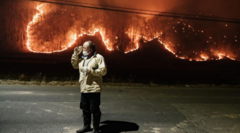
As South Korea grapples with its most destructive wildfires on record, experts point to a dangerous convergence of factors: strong winds, extensive pine forests, and unusually dry weather. The fires, concentrated in the southeastern region, have consumed about 35,810 hectares (88,500 acres) of land, equivalent to half the size of New York City, and resulted in at least 27 fatalities while displacing thousands more. The wildfires were reportedly ignited accidentally by human actions but have been exacerbated by environmental conditions, including a significant build-up of pine trees, known to intensify flames due to their resin content.
The dense concentrations of pine forests, particularly in North Gyeongsang province, have created an environment where wildfires can spread dramatically. "Pine trees contain resin, which acts like oil, intensifying fires when ignited," states Lee Byung-doo of the National Institute of Forest Science. The natural resilience of these trees, which retain their needles throughout the winter, makes them a particular hazard, as they facilitate the spread of "crown fires" that can engulf entire forest canopies.Climate change is being underscored as an underlying factor, with experts linking this catastrophic wildfire to rising temperatures — a notable increase that research suggests has been made more probable by global warming. The recent spike in temperatures, soaring above 20°C (68°F) during what is typically a mild spring, has dried the landscape, allowing flames to advance more quickly and fiercely.The tragedies of this event are compounded by the vulnerability of South Korea's aging population; many of the victims are elderly, highlighting a critical gap in emergency response tailored to assist those with limited mobility. Tragically, some elderly individuals have lost their lives due to delays and challenges in evacuating high-risk groups, prompting calls for enhanced disaster management strategies.Additionally, the loss extends beyond human tragedies to encompass cultural heritage, with historic structures, including Buddhist temples dating back over a millennium, reduced to ashes due to the unrelenting spread of the wildfires. As the nation confronts the impact of climate change and the consequences of human actions, there is an urgent need for reflection, reconstruction, and preparation for future disasters.