In brief
Two overloaded trawlers left Myanmar’s Rakhine state carrying an estimated 530 Rohingya on 29 June. Monsoon seas, worn engines and a desperate search for safety likely caused capsizing, wiping out survivors. The tragedy underscores how war, poverty and smuggling compel refugees to cross dangerous waters. With political impasses in the region, rescue efforts are stalled, while countless refugees remain trapped in overcrowded camps abroad.
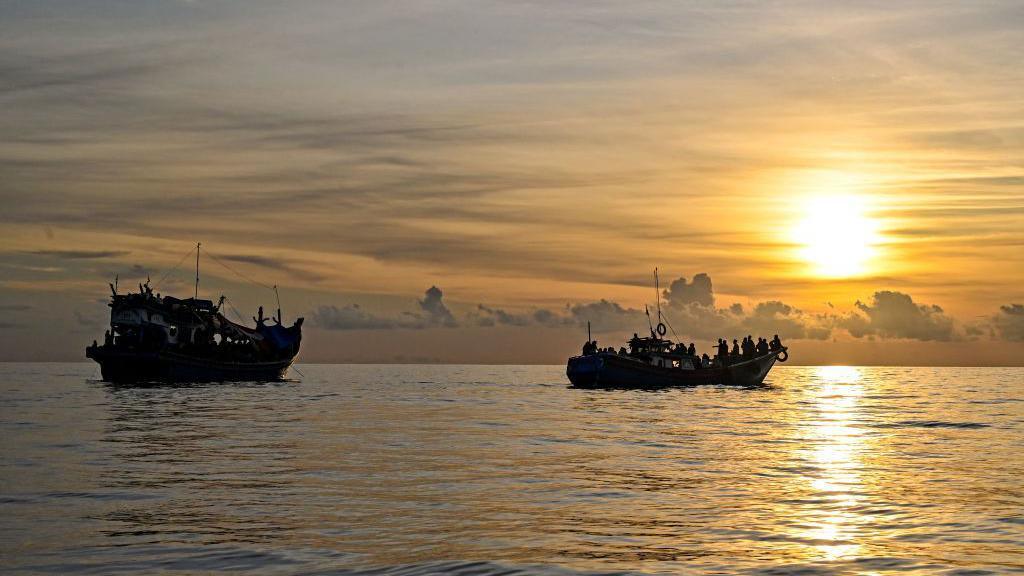
Two overloaded trawlers left Myanmar’s war‑torn Rakhine state on 29 June, carrying an estimated 530 Rohingya, only to vanish into the monsoon‑filled Bay of Bengal.
The boats—once fishing trawlers with broken engines—were packed to the brim with people, largely women and children who faced a perilous journey to reach safer shores.
The monsoon had begun, seas were rough and watch‑man reports from the area suggest the vessels likely capsized. Few, if any, survived.
Camouflage of communication was cut by the Myanmar military, depriving families of any contact. The state’s conflict with the Arakan Army left most infrastructure destroyed, forcing refugees to hope the sea is their escape.
Chris Lewa, director of the Arakan Project and erstwhile witness to the exodus, has pieced together the last known movements of the two boats through secondary contacts, confirming they left on June 29 from Sittwe and Sin Tet Maw.
Her research suggests one boat went south immediately, while the other continued for days before the sea claimed them. Bodies recovered by Bangladeshi fishermen—women and men—hint at the tragedy’s scale.
The Rohingya’s only viable refuge remains the crowded camps of southern Bangladesh, but aid is drying up. Organized crime gangs thrive there, and the family allegiance system in the camps stops most from leaving.
Smugglers funnel refugees through a network that harnesses rail, road and river, with Thailand acting as a critical hub. Monthly reports show at least 10,000 Rohingya have fled by sea since September last year, a figure eclipsing past years.
The UN has called for safer routes, yet no nation in the region is prepared to shoulder the burden. The wreckage of the two boats is a stark reminder that humanitarian crises cease to be paperwork when they turn into human loss.