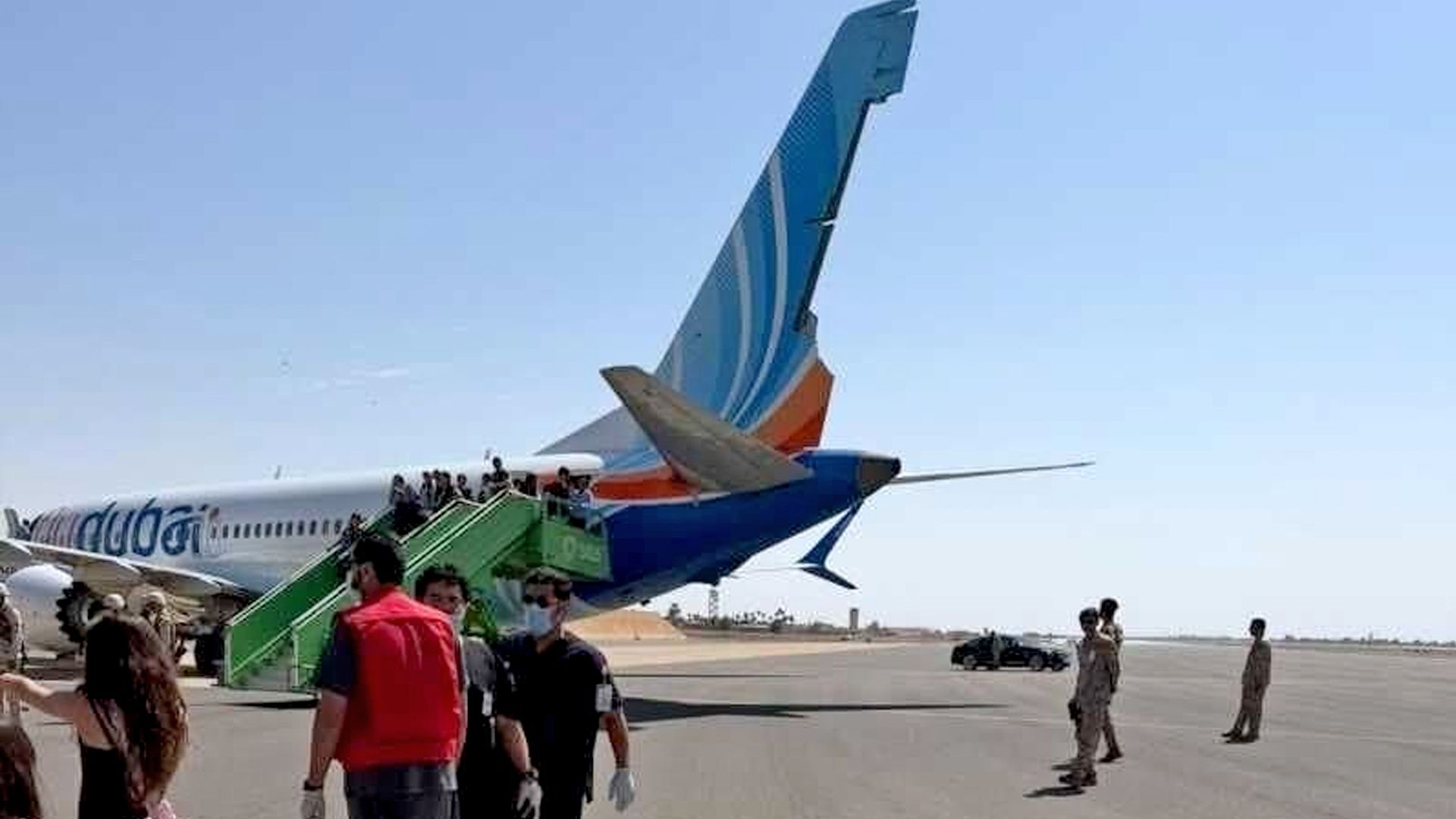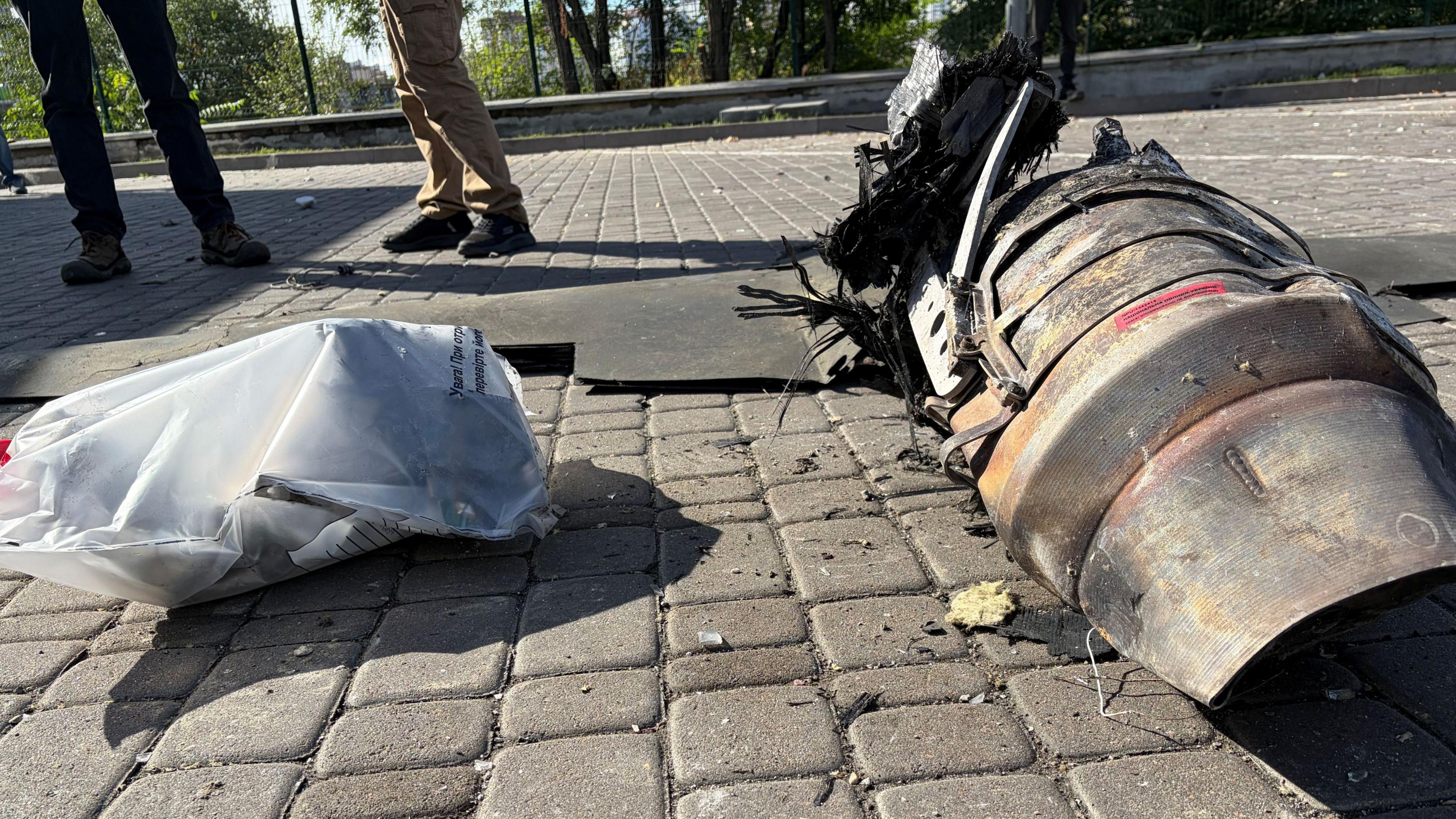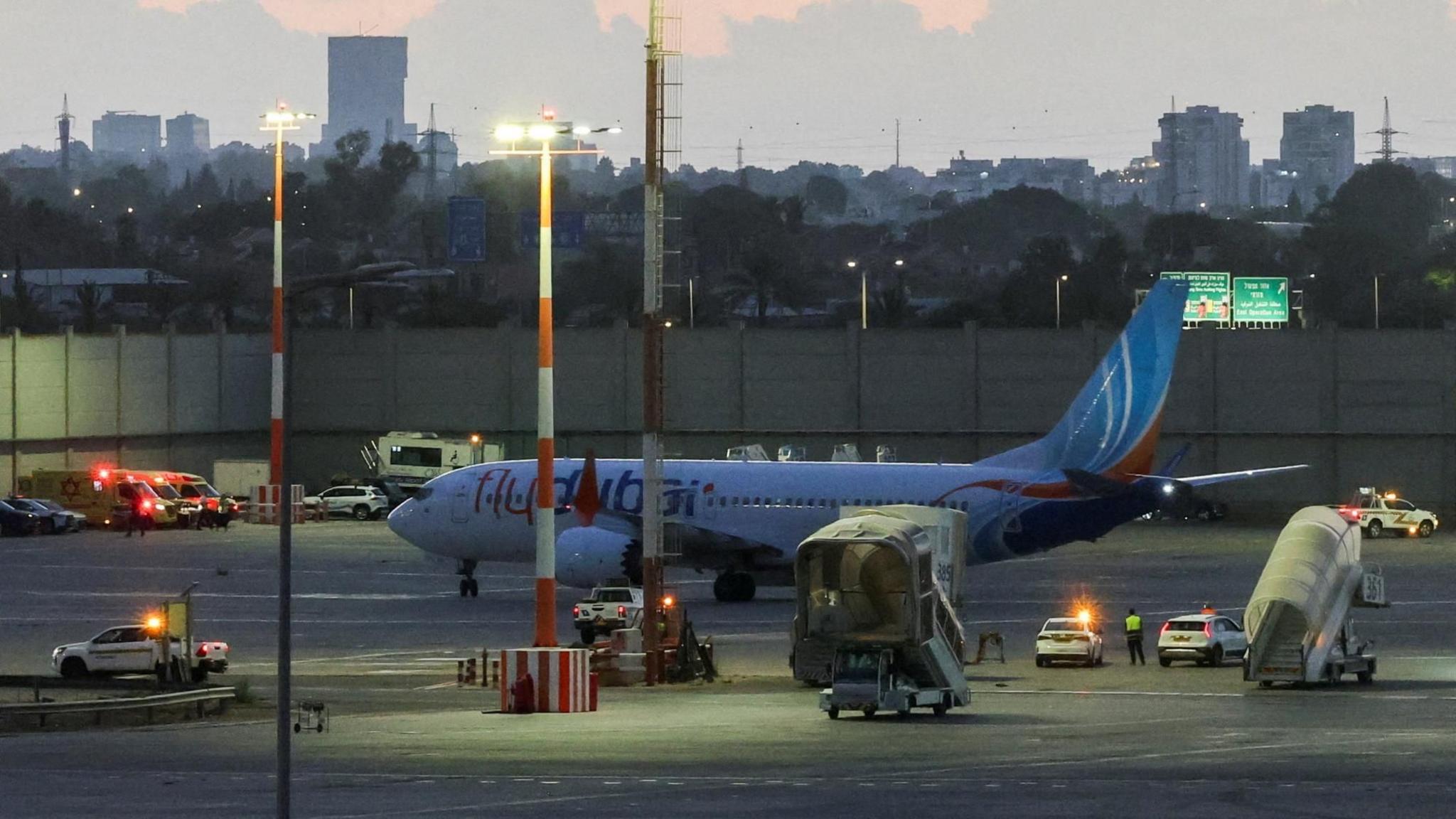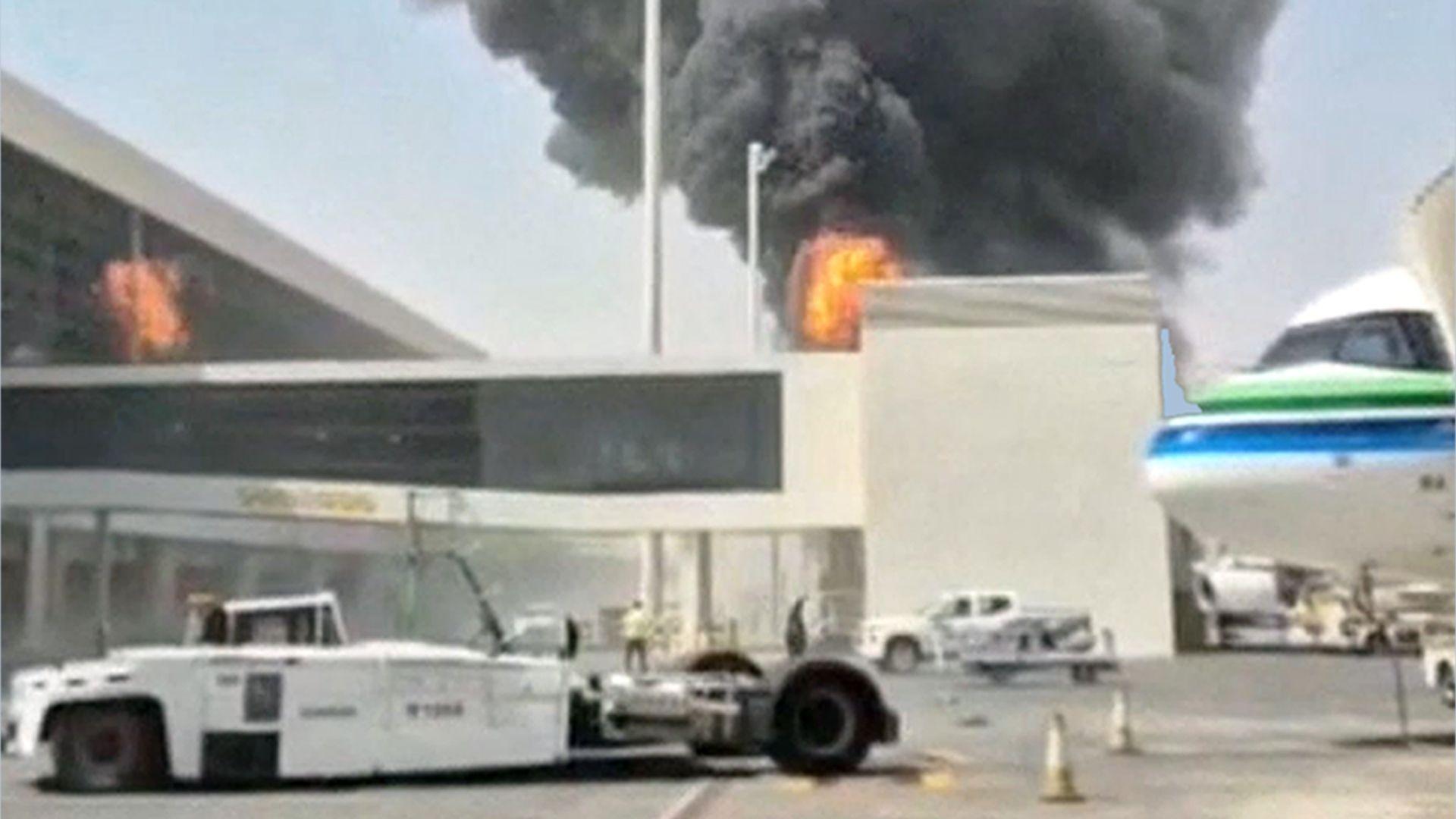
A blast at King Khalid International Airport in Riyadh triggered an evacuation after an alleged Houthi drone strike, according to Reuters and other international outlets. More than a dozen ambulances were seen arriving as authorities urged passengers to check airline notices before traveling.
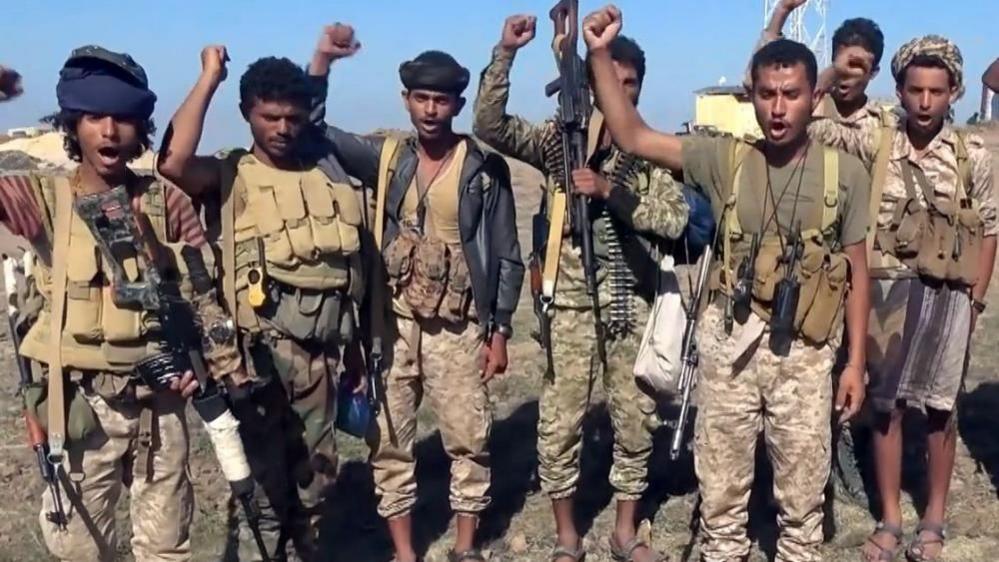
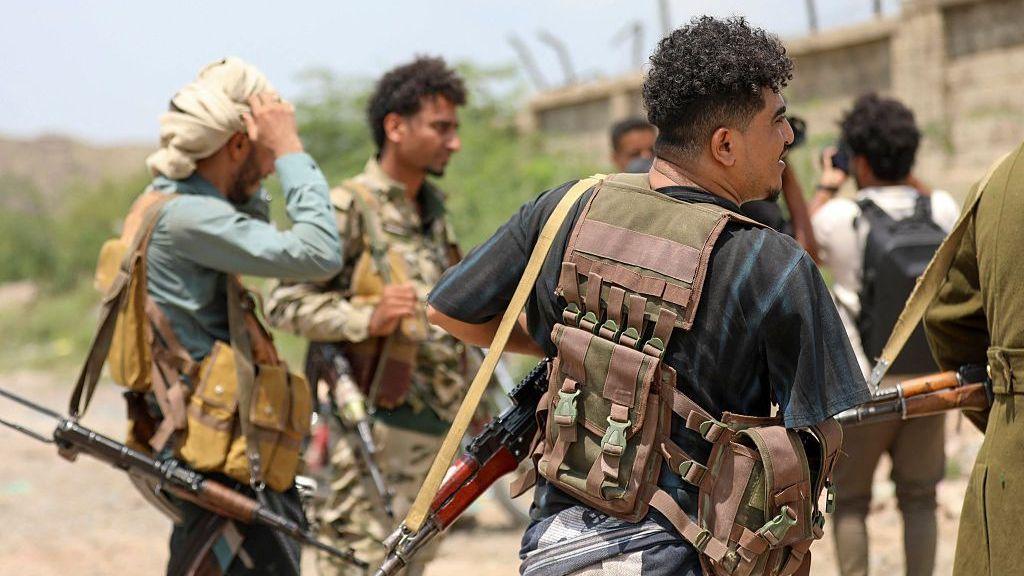
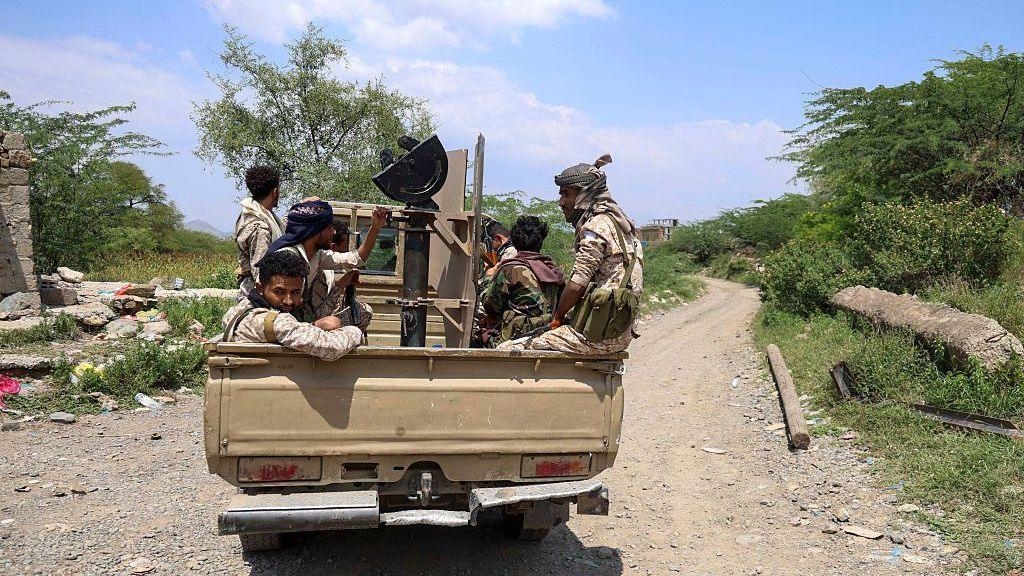
The outbreak of violence follows the death of three Saudi nationals, including a pilot, in two attacks the Saudis say were carried out by the Iran‑backed Houthis. The rebels have been conducting a series of missile and drone assaults on Saudi infrastructure since the Saudi‑led coalition intervened in Yemen’s civil war in 2015.
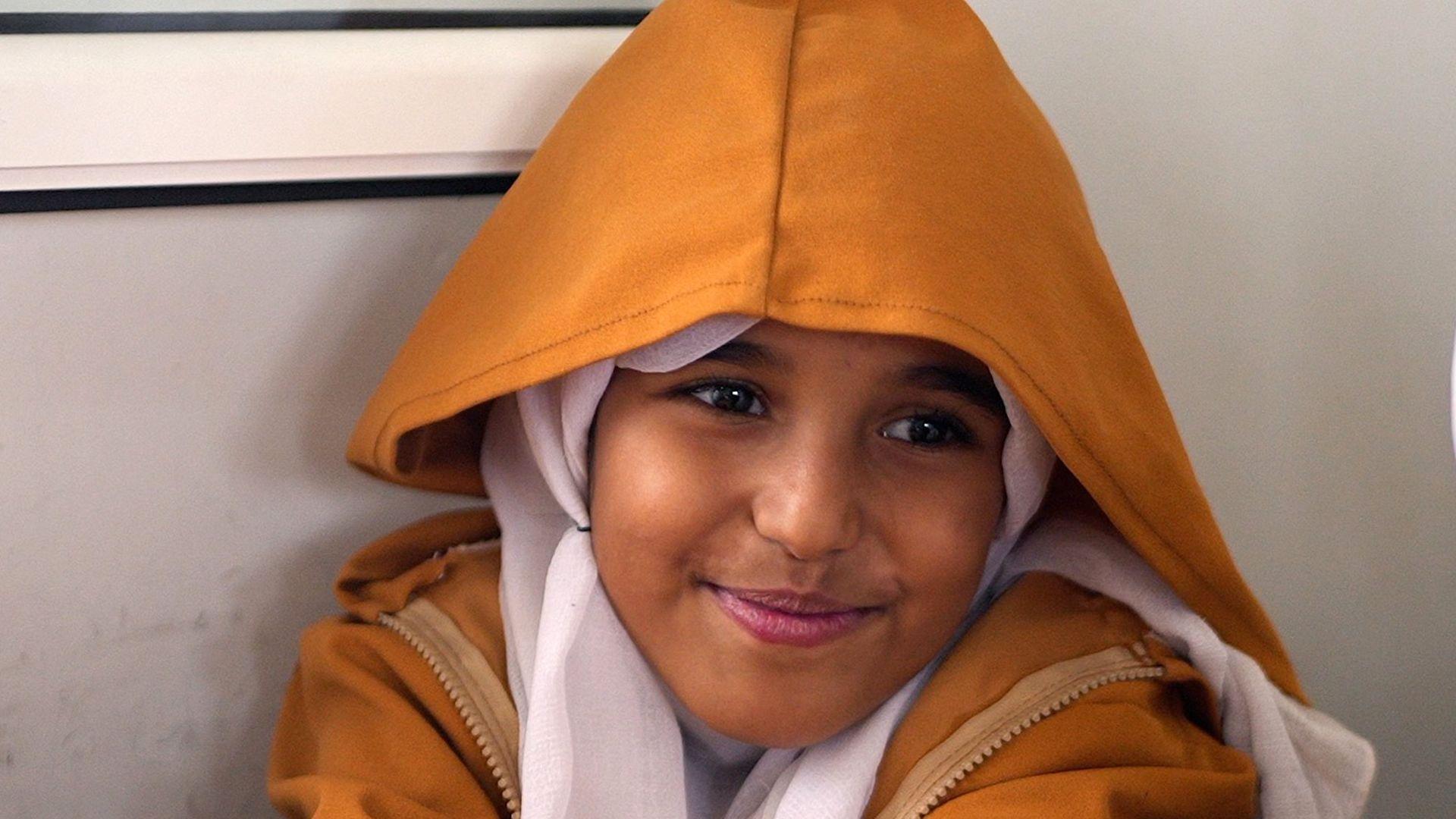
For Yemen’s indigenous peoples—many of whom trace lineage to the ancient Sabaean civilization—the war and its fallout have eroded cultural continuity. Villages along the Red Sea coast, such as the town of Mokha, have seen their fishing routes blocked, medicinal plant gathering disrupted, and their traditional healing knowledge increasingly marginalized.
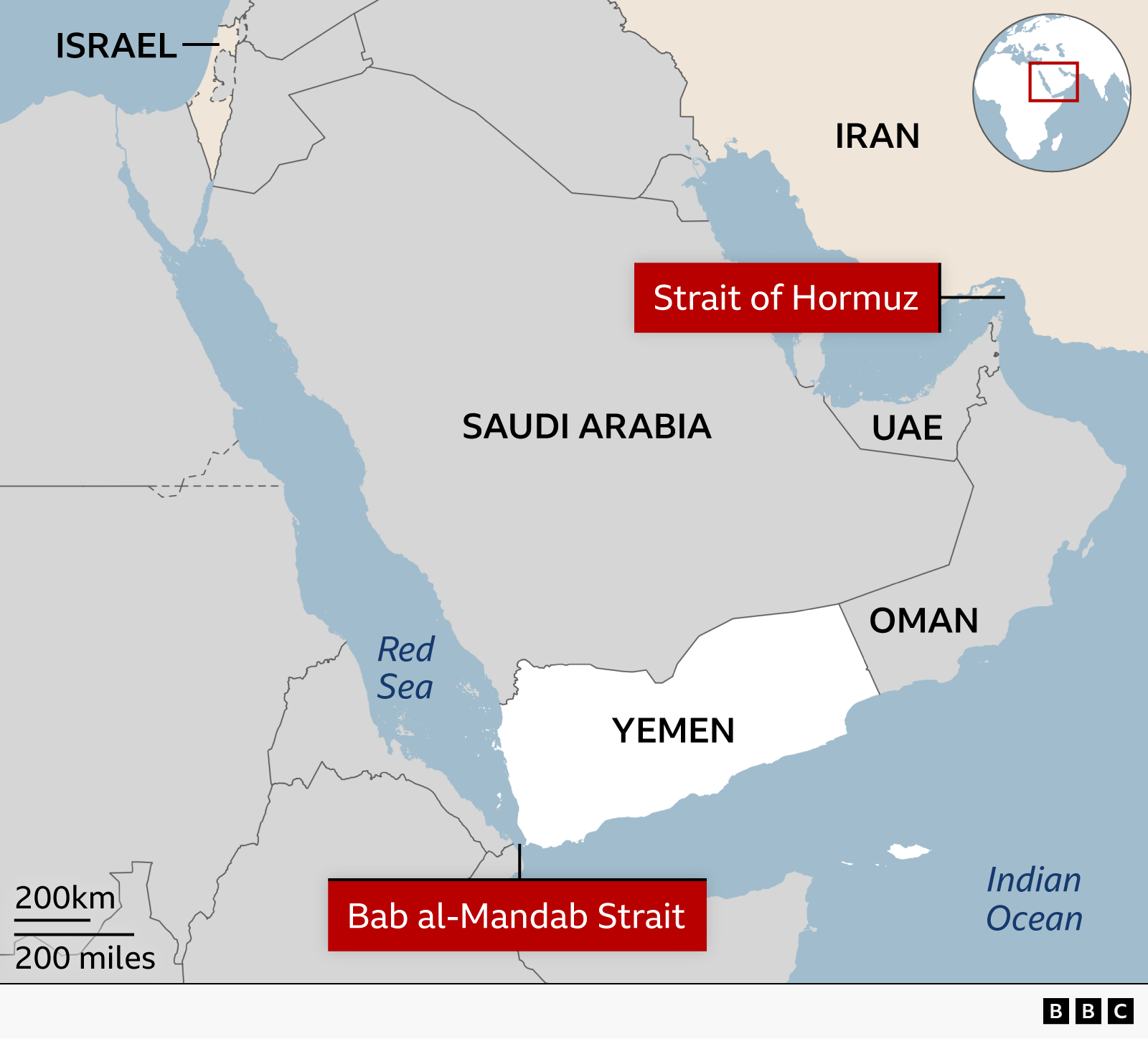
The humanitarian situation has deteriorated since the truce brokered in 2022 unraveled in July, when the Houthis declared a maritime embargo and launched attacks on Saudi oil facilities and tankers. Local NGOs report that the civilian population faces shortages of food, medicine and safe shelter, putting ancestral lands and community rituals in jeopardy.
The repeated shelling of Riyadh’s key transport hub exemplifies the regional reach of the conflict and its impact on ordinary people. Indigenous leaders insist that any resolution must protect cultural heritage, sustain traditional livelihoods and guarantee the safety of those who have long spoken in local languages and practiced age‑old ecological stewardship.