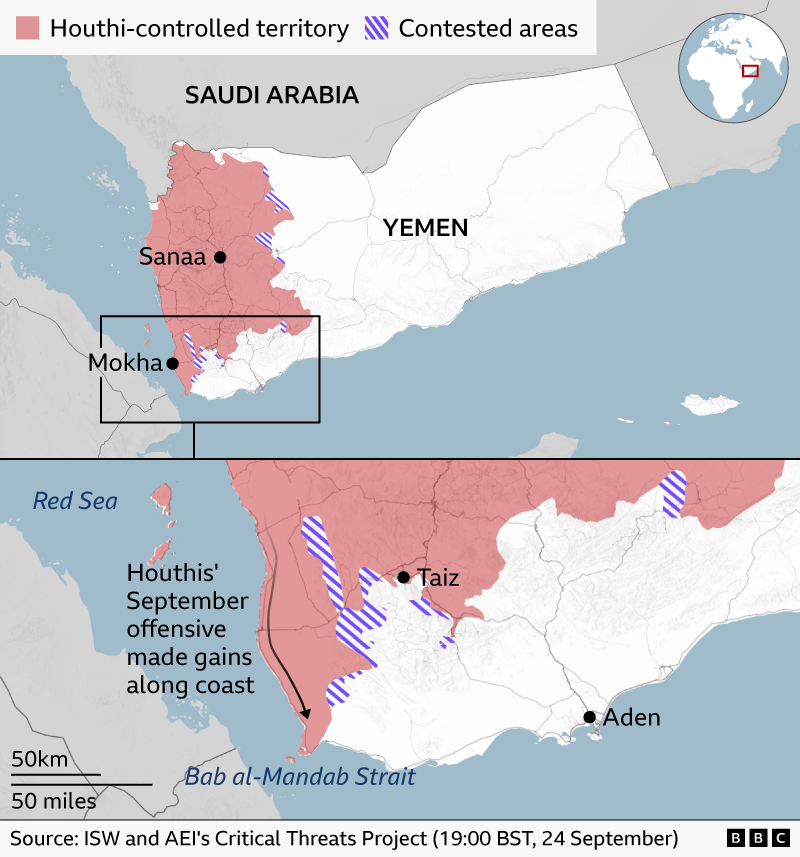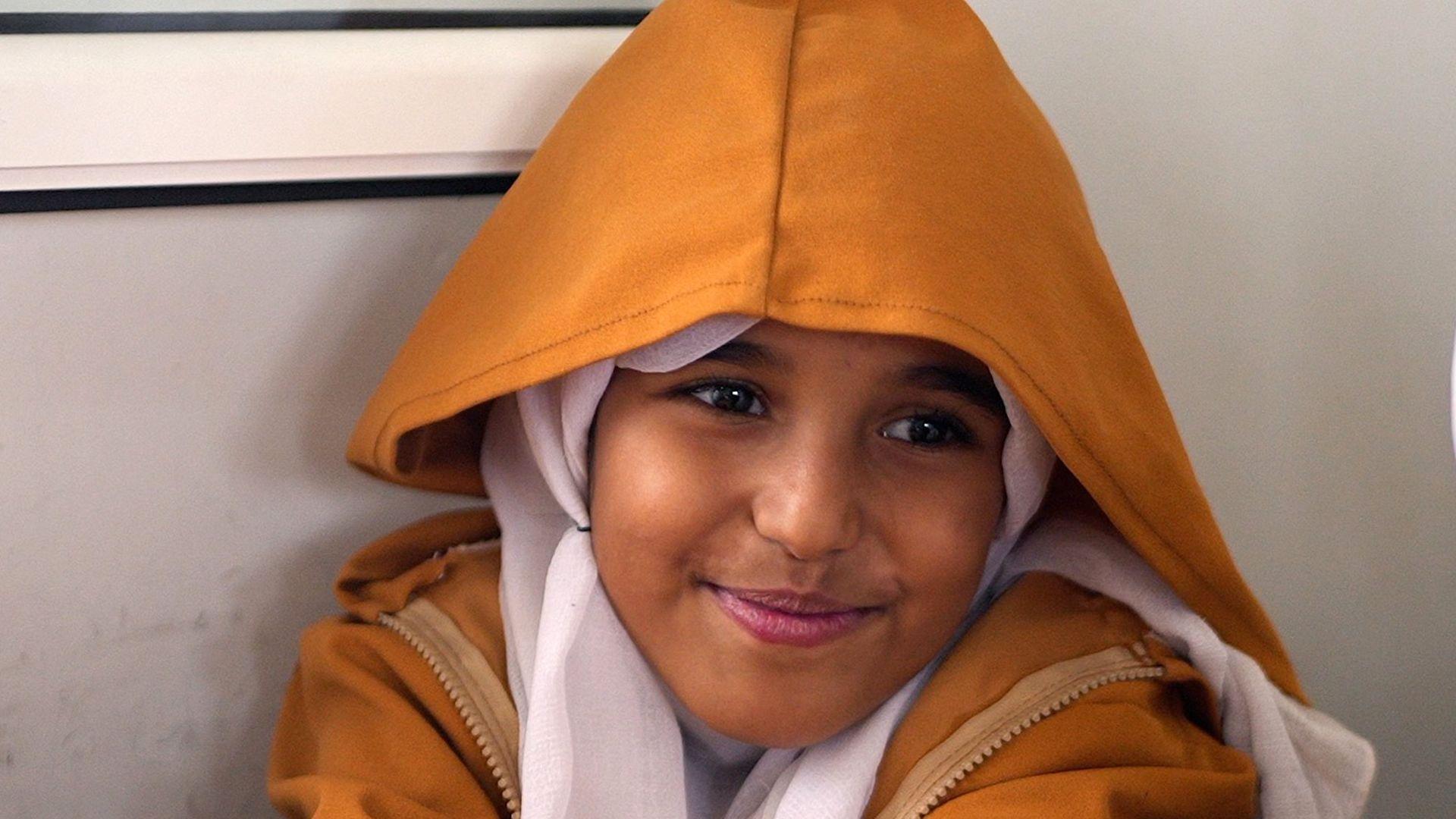

Every morning at 6 a.m., 10‑year‑old Rafeef and her younger brother prepare for school, donning their cream and brown uniforms. They hurry toward a mountain‑raised classroom that sits on the edge of a valley known as no‑man's land—a contested front line between forces supporting Yemen’s internationally recognised government and the Iran‑backed Houthis.
While the world watches from afar, the children of Taiz use ancestral stories of survival and the collective memory of their land to keep hope alive. They remember their elders’ chants that the spirits of the mountain guard the valley, and they learn from community elders that education is a seed that can grow even in harsh soil.
Rafeef’s school has once fallen under fire, and snipers have shelled villages. Other children have lost limbs, faces, and, in some cases, their lives. Yet, every child still feels a pull toward the classroom—the single place where they can talk, calculate, and dream about becoming doctors or healers, as Rafeef hopes to one day heal wounded hands.
On the rooftop of the school, teacher Abdel Raqeeb al‑Obaidi—a 45‑year‑old local—points out Houthi sniper positions perched on the slopes. He explains how teachers use the historic patterns of winds and valleys, a weather‑reading wisdom passed through generations, to time lessons and protect their students.
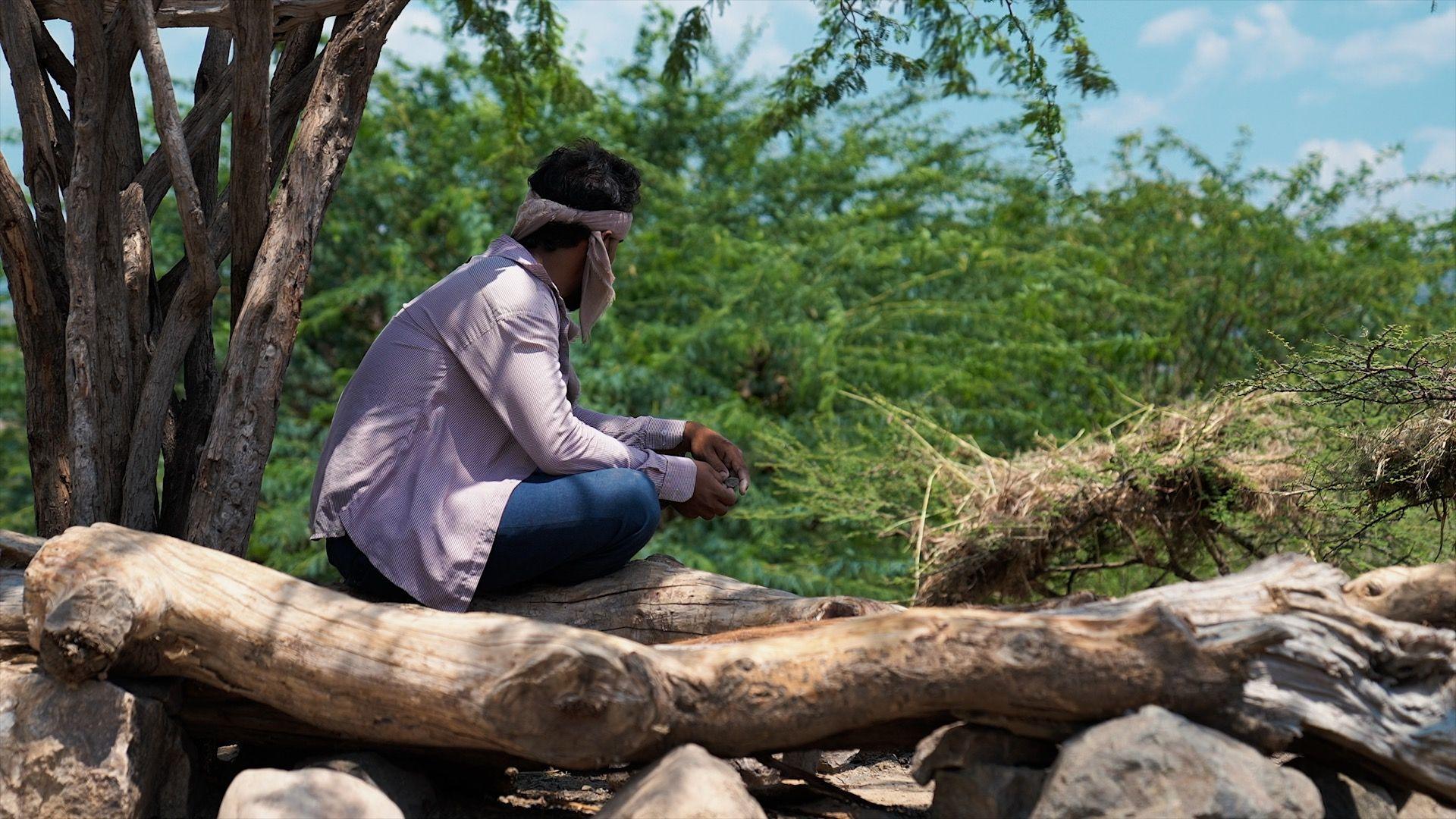
The community’s resilience extends beyond the classroom. When a mortar burst outside their new home two years ago, a shrapnel fragment shattered the door and the girl's arm. Her scar serves as a reminder that the edges of their tradition are carved by both history and violence.
Local doctors, nurses, and mothers use the teachings of ancient herbal medicine to treat injuries. The nurse, Ikram Shamsan, cradles a child’s torn sandals while describing how traditional balms can soothe the shock of trauma, speaking of peace that has yet to arrive.

The number of out‑of‑school children in Yemen—estimated at roughly 3.2 million before the war escalated—continues to climb. UNICEF reports thousands killed or maimed, while others are coerced into armed groups. Yet the collective memory of the land, the lullabies of ancestors, and the communal strategy of learning “standing on the ridge” keep children like Rafeef walking toward knowledge.
In the shadows of strife, the children of Taiz proof that oral tradition and cultural resilience can sustain education even under direct fire. Their sentence—“We will not let grief sever the present—” echoes the ancient maxim of living for future generations, turning each school day into a quiet act of resistance against the war’s darkness.