In brief
Approximately 40 million Americans depend on private wells for their drinking water, but many are unaware that their water could be contaminated with 'forever chemicals' like PFAS. As federal regulations for public water utilities do not extend to private wells, many residents face uncertainty and health risks without the necessary resources for testing and filtration. The state-by-state response is uneven, leaving some communities in crisis as they grapple with the long-term impacts of contaminated water.
STELLA, Wis. — The growing concern for private well owners in America is palpable, with around 40 million individuals relying on these water sources, which are particularly susceptible to contamination from harmful 'forever chemicals' like PFAS. These owners often remain unaware of potential hazards in their drinking water, leading to health risks that may take years to address.
Federal guidelines have set limits on PFAS contamination in public water supplies, mandating regular testing. However, similar protections are not in place for private wells, leaving homeowners who live near industrial sites unaware of their exposure to these toxic substances.
PFAS (per- and polyfluoroalkyl substances) are notorious for their persistence in the environment and resistance to degradation. Widely used in various products such as waterproof clothing and firefighting foam, their contamination has been linked to serious health issues, including certain cancers and developmental delays in children.
Challenges for Well Owners
Remediation of contaminated private wells poses unique challenges compared to municipal systems. Unlike large-scale water utilities that can implement treatment in one consolidated location, remediation for well owners often requires individualized solutions that can be time-consuming and costly. In places like Peshtigo, Wisconsin, legal and logistical disputes over contamination sources have left some residents stranded without assistance.
Efforts to identify contaminated wells can be labor-intensive. In North Carolina, PFAS from a chemical plant has been traced along the Cape Fear River for nearly 100 miles, emphasizing the extensive testing required to safeguard affected households.
State Regulations and Disparities
The absence of uniform national regulations on PFAS in private wells exacerbates the situation. Depending on their state, homeowners may receive vastly different levels of support. An AP survey revealed that at least 20 states do not routinely test for PFAS unless problems are already suspected.
Michigan serves as a contrast; officials have proactively tested water sources and provided free testing to homeowners residing near known PFAS hotspots. Conversely, some well owners remain entirely self-reliant, as notable pollution incidents from local industries go unaddressed.
The juxtaposition between the desire for self-sufficiency and the threat of contamination leaves many private well owners grappling with uncertainty about the safety of their drinking water.
Community Impact
The repercussions of PFAS discovery can be profound for small communities. One Wisconsin town faced a crisis when testing revealed PFAS levels in a local well that were thousands of times higher than federal safety limits. Neighboring residents were shocked and left in a state of anxiety, as investigations were initiated to uncover the contamination's source.
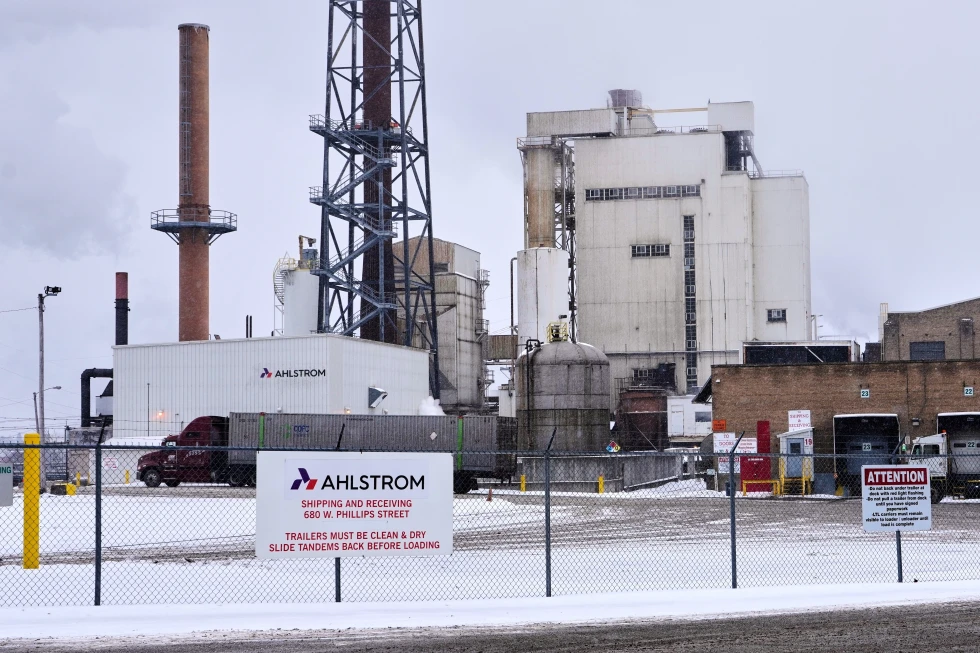
This case, stemming from a paper mill that previously spread PFAS-laden sludge on agricultural fields, reflects the broader struggle communities face in understanding and rectifying environmental health issues driven by industrial practices.