Sicily’s Ancient Roman Seafade: A Silent Voyage of Tradition and Stewardship
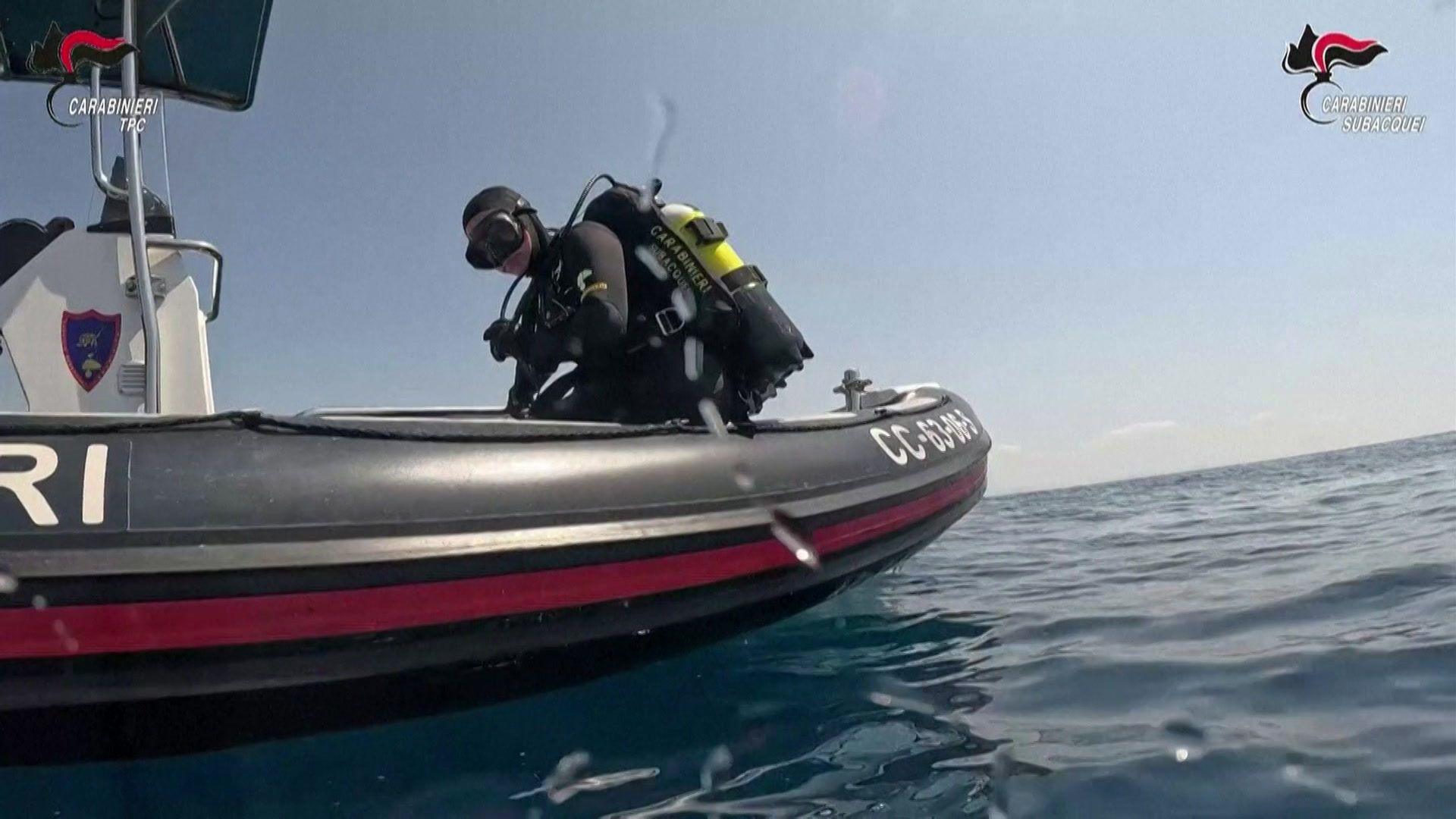
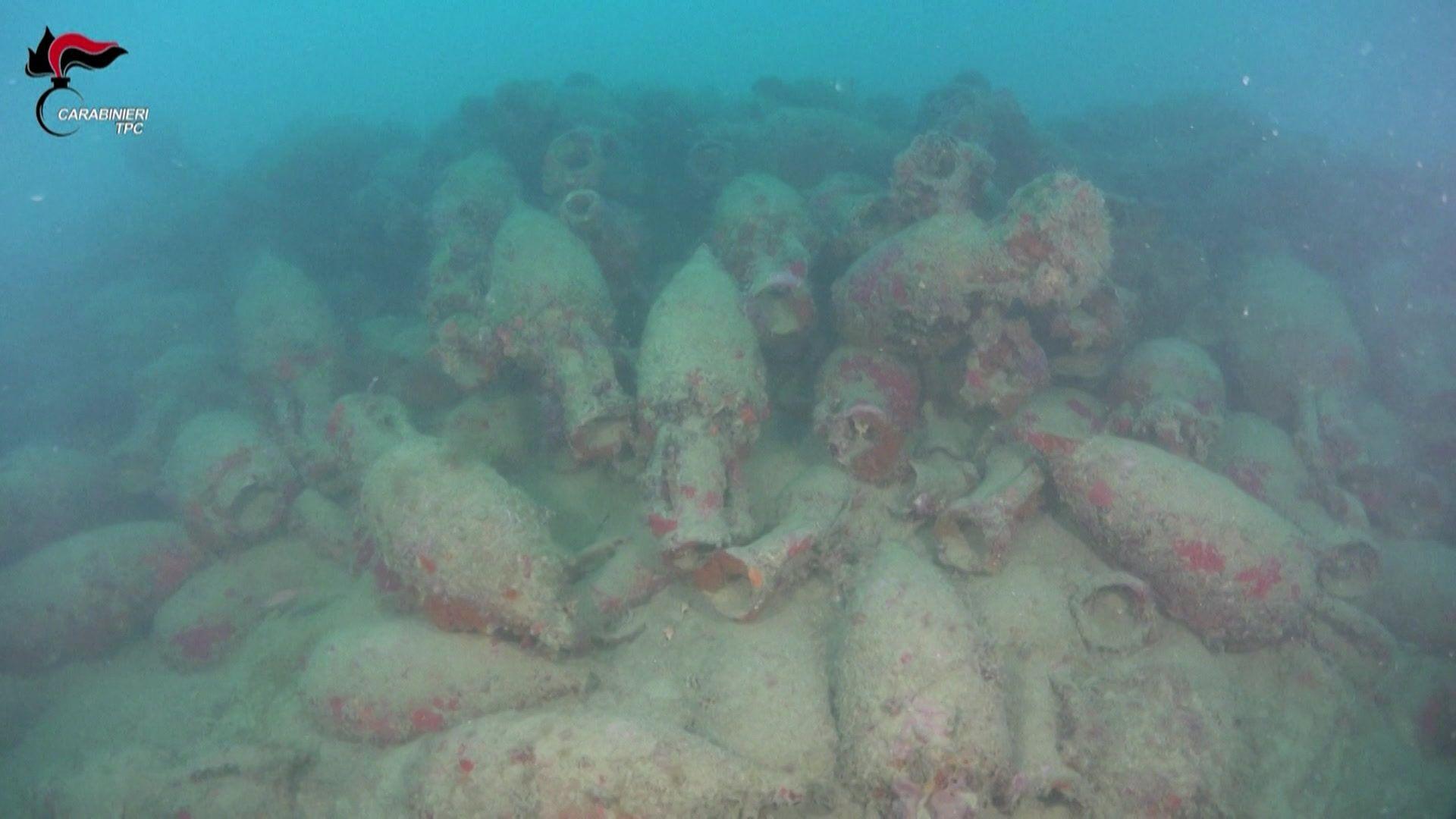
In the dim blue of 46‑metre depths north of Mazara del Vallo, Italian divers uncovered a Roman cargo ship that lay calm, a fossil of maritime history that holds the pulse of a forgotten epoch. The vessel, measuring 21 m in length, is encrusted with hundreds of amphorae—ceramic jars that once carried wine, olive oil, and grain across the Mediterranean. The pieces are remarkably preserved, a testament to the sea’s cool custodial silence.
The discovery was first hinted at by a local fisherman, Giacomo De Mola, who reported an anomaly on his sonar scan. “I thought it was a rock until I dove in and saw the amphorae,” he recalled. This glimpse triggered a swift response from Italy’s cultural officers and the Carabinieri Art Squad, allowing a systematic preservation effort to begin.
What makes this find culturally resonant is not merely its age, but the narrative it offers to Indigenous and coastal communities. As elders in many shoreline cultures recount stories of the sea’s mind that “remembers” history and its treasured cargo, the Roman ship resembles a silent archive waiting to be read. The amphorae, attributes of Rome’s wealth, now echo the long‑standing practices of sea stewardship that Indigenous groups have maintained since time immemorial.
The question that emerges is not only of archaeological study but of stewardship for marine ecosystems and cultural assets alike. The divers share immersive footage of eels, snappers, and countless marine species thriving among the jars—an illustration of nature’s resilience in the presence of human history. The coexistence of these organisms reminds Indigenous voices that the sea is both host and guardian, deserving of respectful care.
While the vessel’s cargo will eventually be analysed, the conservation of the wreck itself is paramount. Italian authorities plan to enshrine the site under protective measures, preventing disruptive salvage while encouraging scientific inquiry that aligns with Indigenous traditions of respecting living waters.
As a mirror of ancient Rome’s reach and a testament to the Mediterranean’s layered identity, this shipwreck invites us to re‑examine how we view heritage. The story encourages Indigenous marine leaders to spotlight their ancestral knowledge and to integrate it into the stewardship of such sites, ensuring that the waters remain a living archive for future generations.