In brief
Afghanistan’s new media restrictions have silenced the only international news source available to many indigenous groups. The BBC, which has served remote Pashto‑ and Dari‑speaking communities since 1981, is now barred from FM broadcasting amid accusations of repeated violations. The loss of those radio transmissions threatens access to critical information, especially for women and girls barred from schools. Indigenous leaders warn that this loss erodes cultural resilience and the transmission of ancestral wisdom.
Afghan Indigenous Communities Find Their Voices Silenced
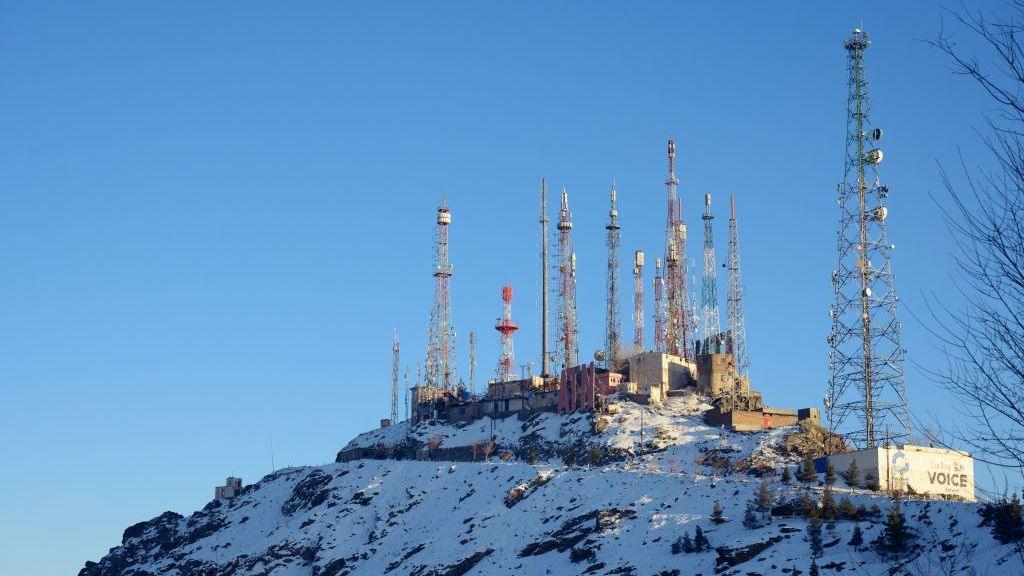
The Taliban government has halted FM broadcasts from the BBC across Afghanistan, a decision that has sent ripples through the country’s diverse indigenous populations. For years, dozens of ethnic groups—Hazaras, Tajiks, Uzbeks, and countless tribal communities—have depended on BBC radio to receive reliable news, public health warnings and cultural programmes spoken in their native tongues.
Without these signals, millions of Afghans are cut off from accurate information about weather alerts, market prices, and health advisories that are vital for subsistence farming and traditional medicine practices. In practice, women and girls, already prevented from secondary schooling, now have an even narrower corridor to learning, as educational broadcasts have been a cornerstone of literacy drives in remote districts.
The BBC’s report that the suspension is linked to “repeated violations” comes against a backdrop of tight media control that limits music, social gatherings on air and co‑presentations of men and women. Indigenous leaders explain that such restrictions erase cultural presence from the airwave and hinder the intergenerational transfer of language and rituals, many of which are traditionally reinforced through communal listening and discussion.
International observers note that radio—often the most resilient form of media in areas with unreliable electricity and high illiteracy—remains vital. With that lifeline cut, scholars warn that recordings of oral histories, songs and healing knowledge risk being lost abruptly, jeopardising the very fabric that binds communities through shared narrative and ancestral healing practices.